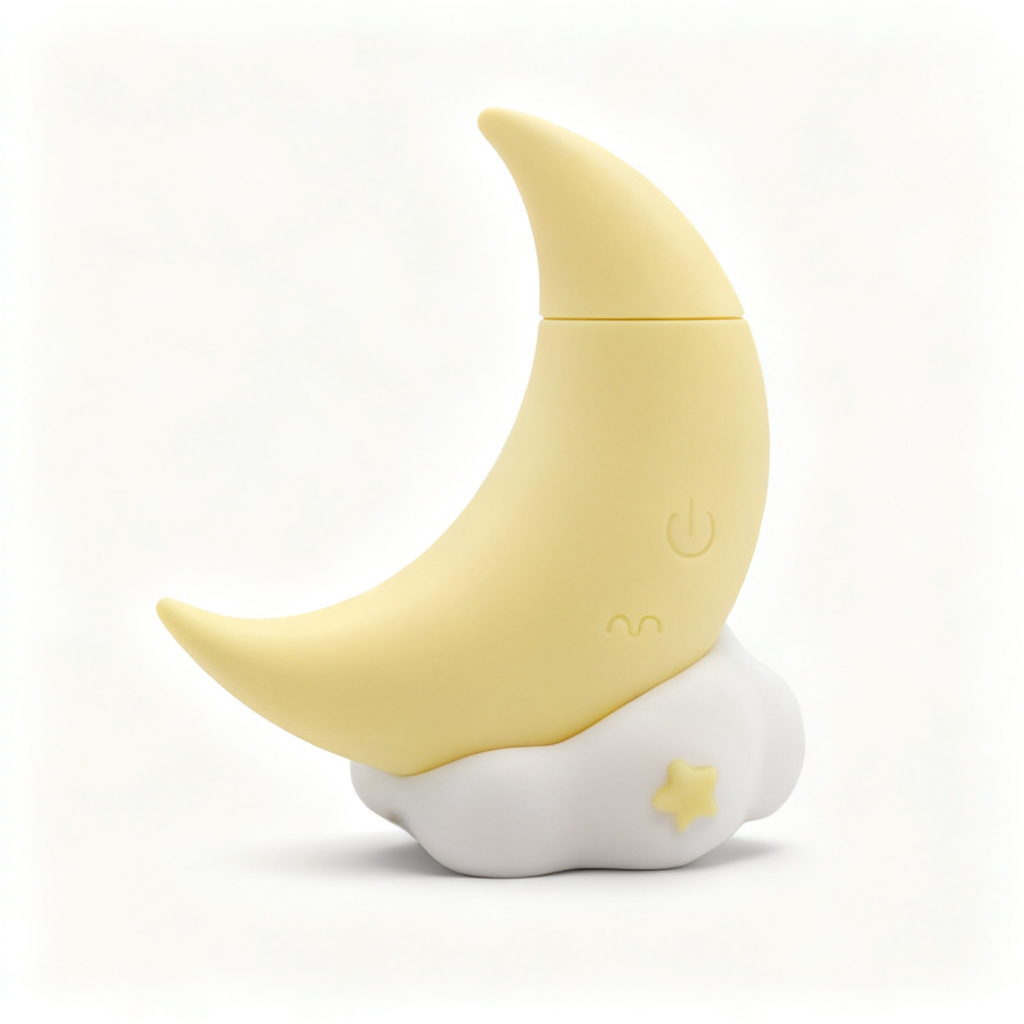
Kegel Balls & Pelvic Floor Training: A Complete Guide to Strength, Control, and Sensation
Why pelvic floor training matters
The pelvic floor is one of the body’s quietest workhorses — a hammock of muscles supporting the bladder, uterus and bowel, noticed only when it starts to falter. Childbirth, age, hormonal shifts and years of heavy lifting or chronic coughing can all weaken it, and the effects are far more common than most people assume. Research consistently suggests that roughly one in three women will experience some degree of stress urinary incontinence — small leaks triggered by coughing, sneezing, laughing or lifting — at some point in life. The encouraging part is that the pelvic floor is muscle, and muscle responds to training. Kegel exercises are the clinical first-line treatment, and weighted trainers (often called Kegel balls) have evolved from a centuries-old invention into a practical way to add resistance and feedback to the routine. This guide covers how the pelvic floor works, how to exercise it correctly, where weighted trainers fit in, and how to choose a first set.
Only got time for a quickie?

- The pelvic floor is a sling of muscles supporting the bladder, uterus and bowel; it weakens with childbirth, age and repeated strain.
- Mayo Clinic’s standard guidance: aim for three sets of 10–15 Kegels a day, holding each squeeze for about three seconds.
- Weighted trainers add resistance and feedback — they make it far easier to tell whether you’re contracting the right muscle.
- In one survey of Kegel ball users, about 12 in 100 said vibrating models helped prevent urine leaks, and roughly 8.7 in 100 reported improved sexual function.
- Start small: light, silicone-covered balls with a retrieval cord; 10–15 minutes per session is plenty at first.
- Silicone pairs only with water-based lubricant, and training is best paused during pregnancy, postpartum recovery or an active infection.
What exactly is the pelvic floor?
Imagine a hammock slung between the pubic bone at the front and the tailbone at the back. That is the pelvic floor — a web of muscles and connective tissue that holds the bladder, bowel and uterus in place and controls the opening and closing of the urethra and rectum. When it works well, nobody thinks about it. When it doesn’t, the signals are hard to ignore: heaviness, urgency, leaks, or a loss of sensation during sex. Crucially, the pelvic floor can fail in two opposite directions. It can be too weak — the classic postpartum picture — or too tense, holding constant low-grade contraction that causes pain and difficulty relaxing. Good training therefore builds control in both directions: a full contraction and a full release.
Kegel exercises 101
The exercises take their name from Dr. Arnold Kegel, the American gynecologist who popularized them in the 1940s. The first challenge for most people is simply finding the right muscles. Mayo Clinic’s guide suggests three ways: squeeze as if trying to stop the flow of gas; squeeze as if stopping urination midstream (as a one-time identification technique only — doing this routinely can prevent the bladder from emptying fully and raise UTI risk); or insert a clean finger into the vagina and squeeze until you feel a gentle tightening around it. Once the muscle is found, the exercise itself is unglamorous: tighten as if lifting a marble upward, hold for about three seconds, then relax completely for three seconds. Build toward 10–15 repetitions, three times a day, working through lying, sitting and standing positions. Exhale during the squeeze, keep the belly, thighs and buttocks relaxed, and expect measurable results within weeks to a few months rather than days.
Where Kegel balls fit in

Weighted vaginal trainers have a long pedigree — Ben Wa balls date back to around 500 CE — but the modern versions function more like dumbbells for the pelvic floor. They help in two ways. First, resistance: a weighted ball asks the muscles to hold position against gravity, which produces a deeper, more complete contraction than an empty squeeze. Second, feedback: when the muscles relax, you can feel the weight settle, which teaches exactly what “relaxed” and “engaged” feel like — the part most people struggle to sense. The research is encouraging but appropriately modest. One study of Kegel ball users found that about 12 in 100 felt they weren’t helpful, while nearly 12 in 100 said vibrating models helped prevent urine leaks and about 8.7 in 100 reported improved sexual function. The honest summary: trainers are a complement to bodyweight Kegels, not a replacement — the consistency of the daily squeeze matters more than the equipment.
Choosing your first set
Beginners are generally better served by larger, lighter balls in body-safe silicone with a retrieval cord or loop — easier to hold in place, easier to remove, gentler on sensitive tissue. From there, progression usually means more weight or a smaller diameter rather than more features.
| Type | Best for | Look for |
|---|---|---|
| Dual connected balls | Beginners | Soft silicone, light weight, sturdy retrieval cord |
| Single weighted balls | Progressive training | Clearly labeled weight, smooth seams, cord or loop |
| Vibrating trainers | Feedback + sensation | Rechargeable, waterproof, multiple intensities |
| App-connected trainers | Guided sessions | Reliable app, pressure or movement feedback |
How to use them, step by step
- Wash your hands and the balls with warm water and a mild soap or toy cleanser, then dry thoroughly.
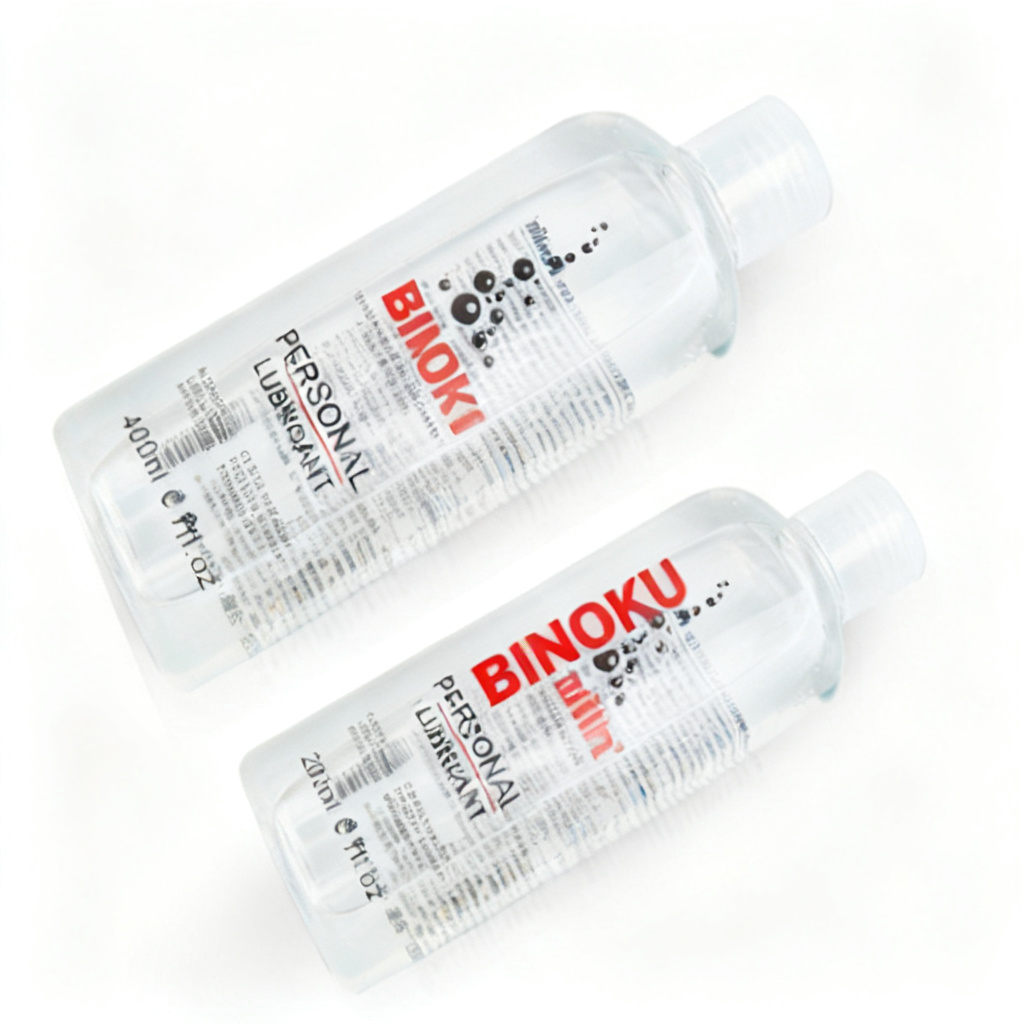
- Apply water-based lubricant to both the balls and the vaginal opening — silicone toys only ever pair with water-based lube.
- Lying on your back with knees bent, or standing with one leg raised, breathe out and insert the first ball one to two inches deep — secure, but shallow enough that the cord stays outside.
- Stand up or walk for a few minutes: the muscles will naturally engage to hold the weight, which is itself the exercise.
- Add deliberate squeezes: hold for five seconds, release for five, up to ten repetitions per session.
- Keep sessions at 10–15 minutes to begin, building gradually. Even conditioned users are generally advised not to wear weighted balls beyond four to six hours.
- Remove gently by the cord (relaxing first helps), wash and dry before storing.
Common mistakes
Holding the breath, clenching the glutes or thighs, and skipping the relaxation phase are the classic errors — all of them train the wrong muscles or build the wrong kind of tension. Wearing the balls too long too soon is another; a tired pelvic floor gets sore, not stronger. And the timing rules matter: training is best avoided during pregnancy, in the immediate postpartum period before a clinician’s clearance, or during any active infection or pelvic pain. Most importantly, don’t use the “stop the urine stream” trick as a daily exercise — routinely interrupting urination can leave the bladder incompletely emptied and raise the risk of infection.
Sensation and pleasure
The pelvic floor is not only structural — it is also sensory. These are the same muscles that contract rhythmically during orgasm, and a stronger, better-oxygenated pelvic floor typically means stronger contractions and more intense sensation. The mechanics are straightforward: training raises blood flow to the region and improves muscular control, both of which feed back into arousal and climax. That dual payoff — better bladder control and better orgasms — is why so many people describe kegel training as the rare self-care habit that pays off in ordinary life and in private life at the same time.
Pelvic floor training for men
Men have pelvic floors too, and the same training principles apply. Strengthening these muscles is associated with better erectile function, improved ejaculatory control and faster continence recovery after prostate surgery. The exercise is identical: identify the muscle by stopping the stream once (identification only), then squeeze and release in sets. Weighted or vibrating trainers designed for men exist and work the same way as vaginal trainers — resistance plus feedback, on a schedule that rewards consistency.
Materials and safety
- Choose body-safe silicone and pair it only with water-based lubricant.
- Always keep the retrieval cord or loop accessible; anything without a retrieval mechanism must remain comfortably reachable.
- Vaginal trainers are for vaginal use only — they lack the flared base required for anal safety.
- Clean before and after every session, dry fully, and store in a clean pouch away from other toys.
- If pain, heaviness or leaks persist, a pelvic floor physiotherapist can provide biofeedback-guided training — the most effective option when self-directed exercise stalls.
The slow morning ritual
Rain against the window. Coffee cooling on the nightstand. Ten minutes that belong to no one else. A warm shower first, then the quiet routine: two small weights, a little water-based lubricant, the familiar rhythm of holding and releasing — not effort for effort’s sake, but a private habit building something steady. By the time the day actually begins, the body feels awake in a way that has nothing to do with hurry.
Our picks
Our Picks

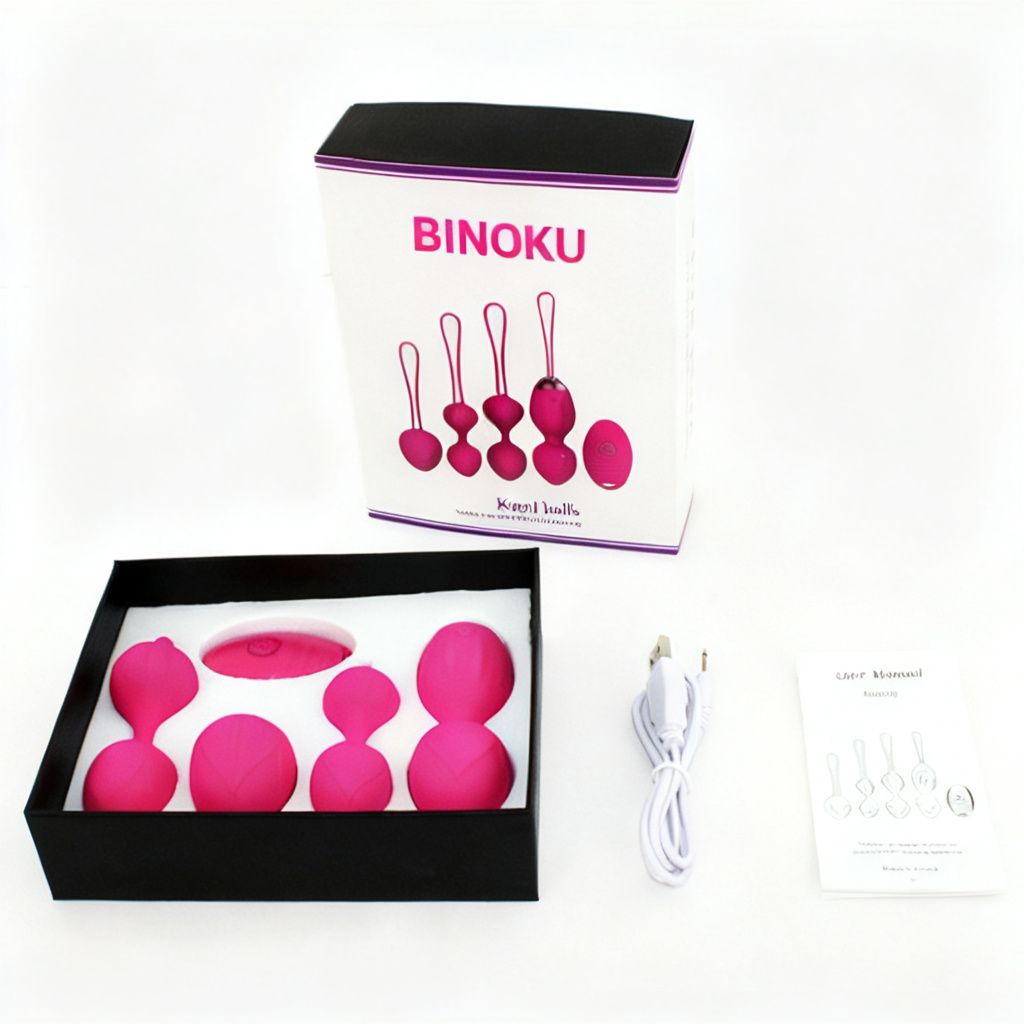
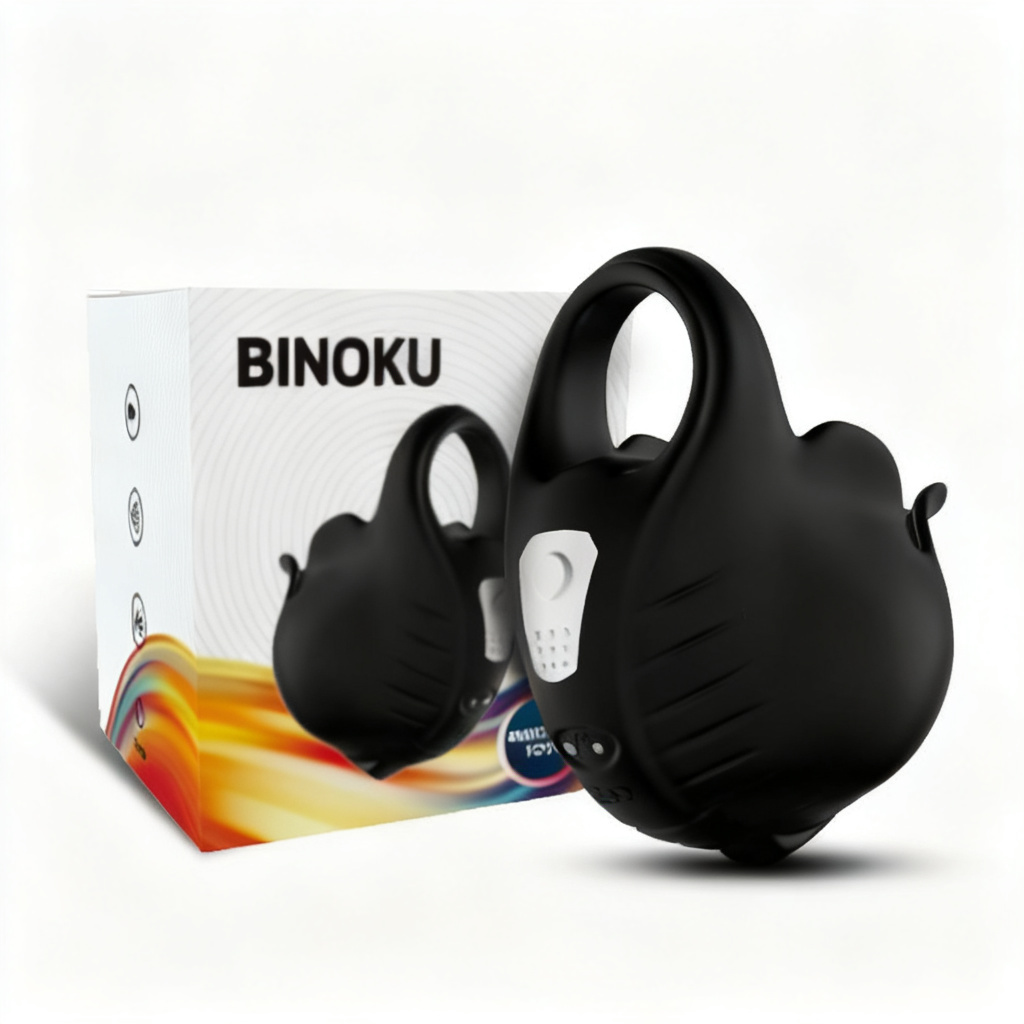
FAQ
How long before I notice a difference?
Most clinical guidance points to a few weeks to a few months of consistent daily practice. Bladder control typically improves first; sensation changes often follow.
Do Kegel balls hurt?
They shouldn’t. Discomfort is a signal to stop, add more lubricant, or step down to a larger, lighter set — training should feel like effort, never pain.
Can I wear them all day?
Beginners should keep sessions to 10–15 minutes. Even experienced users are advised not to wear weighted balls beyond four to six hours at a time.
Are they safe after childbirth?
Not until a clinician clears it — typically at the postpartum check. The pelvic floor needs time to heal before adding resistance.
Do they make sex better?
Many people report stronger orgasms and improved sensation; the research suggests a meaningful minority see measurable improvement in sexual function. Consistency is the variable that matters most.
Can men benefit?
Yes — pelvic floor training is associated with better erectile function and ejaculatory control, and trainers designed for men follow the same principles.
Ready to explore?
A stronger pelvic floor is built in ten-minute increments, and the right tools make those minutes count. Explore the BINOKU Kegel & wellness collection — body-safe, discreetly delivered, and designed to make training feel like ritual rather than chore.