The Erogenous Zone Map: A Guide to Full-Body Pleasure Beyond the Usual Spots
Ask most people to name the body’s erogenous zones and the same short list comes back. Yet researchers and sex educators have spent decades pointing out something bigger: the body’s pleasure map is far larger than the handful of spots that get the most attention. The skin itself — the largest organ, roughly two square meters of it — is wired with millions of nerve endings, and almost any patch of it can become erogenous with the right touch, the right timing, and the right mindset. What changes a patch of skin from neutral to electric is not anatomy alone. It is attention. This guide walks through the zones that get overlooked, why they respond the way they do, and how a little well-placed technology can extend the map even further.
Only got time for a quickie?

- The skin is the largest organ of the body — dense with nerve endings — so nearly any area can register pleasure given slow, deliberate touch.
- The ears, neck, lips, inner arms, lower back, inner thighs, feet and scalp are the most commonly overlooked zones.
- A 2011 Rutgers study found nipple stimulation lights up the same genital sensory cortex in the brain as clitoral stimulation — the brain does not keep strict territory.
- Anticipation does half the work: as Esther Perel puts it, “Foreplay begins the moment the previous orgasm ends.”
- Slow, light strokes around 5 cm per second activate C-tactile fibers — the skin’s dedicated gentle-touch channel — better than fast or firm rubbing.
- Tools like ticklers, tongue vibrators, flavored mists and adjustable clamps let two people explore zones that are awkward to reach by hand alone.
Why do people map the whole body?

Partly novelty: after months or years of the same routine, couples commonly report that touch settles into a narrow groove. Exploring new territory is one of the simplest ways to break that groove without changing anything else about the relationship. Partly physiology: the skin carries an enormous share of the body’s sensory wiring, and slow touch activates C-tactile fibers that are tuned specifically to gentle, skin-to-skin contact — the kind of touch that lowers stress hormones and raises oxytocin, as massage research has shown repeatedly.
And partly it is anticipation. Dopamine, the neurochemical most associated with wanting, rises most steeply during the build-up rather than the payoff. Drawing out attention across the whole body extends exactly that window. “Pleasure is the measure,” writes sex educator Emily Nagoski in Come As You Are — meaning the goal is not a single destination but the quality of sensation along the way. Mapping the whole body is, in effect, betting on that principle.
1. Start at the ears and the side of the neck
The earlobes and the side of the neck are thin-skinned, densely innervated, and almost entirely ignored in most partnered routines. Warm breath close to the ear is one of the most commonly reported turn-ons in informal surveys — and goosebumps are themselves a clue. Piloerection, the technical name for that shiver, is an involuntary nervous-system response that often tracks emotional arousal, not just cold. Many people report that a slow, close whisper or a soft kiss just below the ear produces a stronger full-body response than much more direct touch elsewhere. The practical version: start slow, stay slow, and let the response tell you where to go next. A simple line to introduce it: “I read something interesting — apparently the neck is one of the most underused zones. Want to test that together?”
2. The lips and the mouth
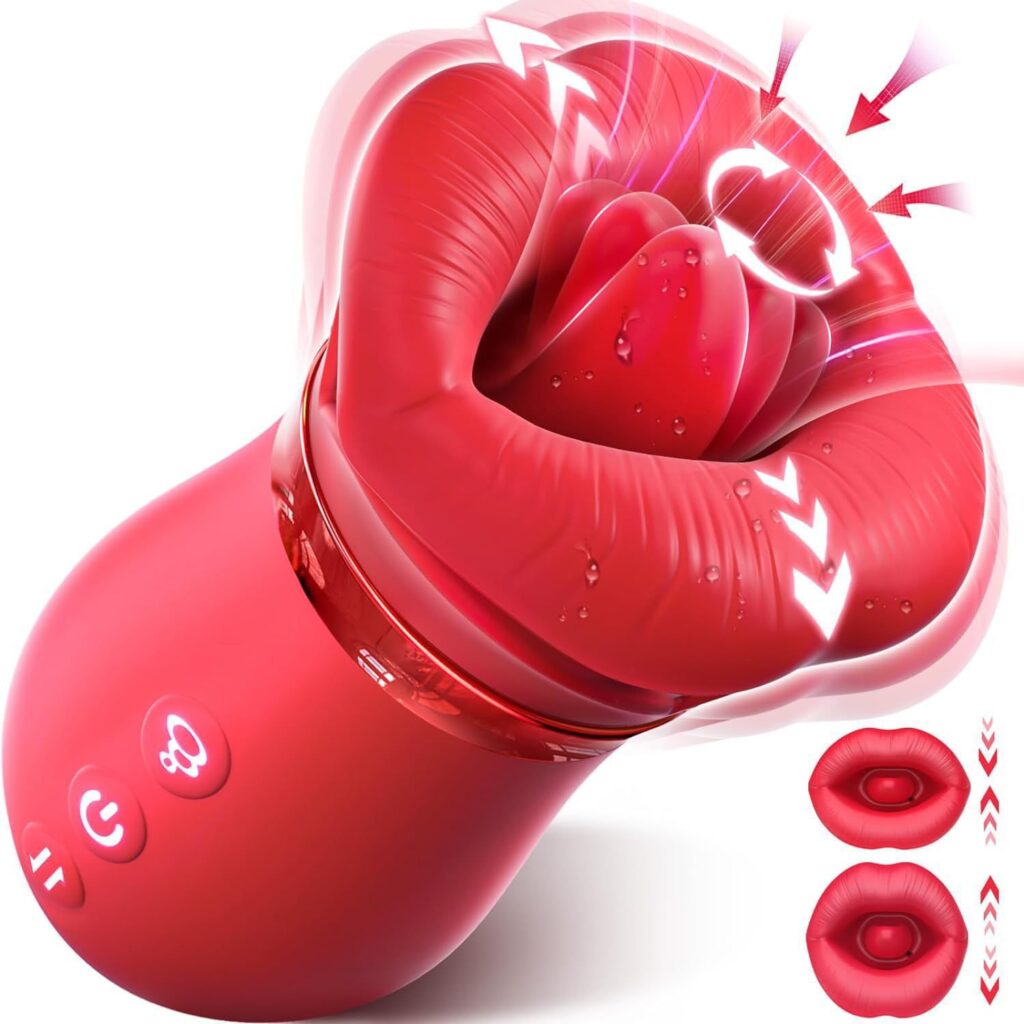
The lips are among the most densely innervated areas of the body outside the fingertips, which is why kissing registers so intensely. Slowing kisses down — deliberately, almost to a standstill — turns them from preamble into a destination. Flavored mists add another layer here: a subtle taste changes the texture of a kiss and gives both partners something to react to. A tongue-shaped vibrator can extend the mouth’s sensitivity to other parts of the body, tracing the same paths a tongue would take at a pace hands rarely manage. The look-out with mists: do a small wrist test first, keep them away from broken skin and eyes, and remember they are an accent, not a lubricant.
3. The chest and the nipples

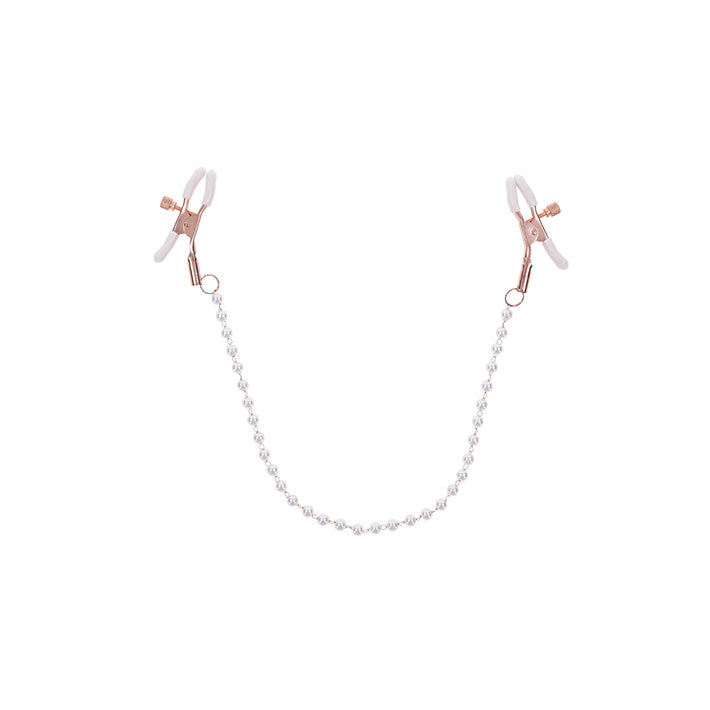
Nipple stimulation is the most-studied “secondary” zone in sexual neuroscience, and the findings are striking. In a 2011 functional MRI study led by Barry Komisaruk at Rutgers University, nipple stimulation activated the genital sensory cortex — the same brain region that processes clitoral, vaginal and cervical sensation. The body, in other words, does not always distinguish where pleasure comes from. Responses vary widely between people: for some, chest touch is intensely pleasurable; for others it is neutral or even unpleasant, and both are normal. Adjustable pearl clamps let people experiment with pressure safely. The consensus guidance from educators: start loose, limit sessions to ten to fifteen minutes, and remove anything the moment the area goes numb — numbness is the signal that blood flow is restricted too long.
4. Inner arms, wrists and palms
The inner arm and wrist carry thin skin, visible veins and a constant stream of subtle touch in daily life — which is exactly why slow, deliberate touch there feels so different. Fingertip tracing along the inside of the arm, from palm to elbow and back, is a classic of sensory play because it requires almost no skill and produces outsized results. A soft tickler does the same job with a lighter, feather-textured pressure that the skin registers as surprise. The fingertips themselves deserve a mention: they are packed with nerve endings, and light scratching, palm massage or simply interlacing hands slowly is reported by many couples as more intimate than it “should” be. Communication template for the skeptical partner: “This isn’t a detour — it’s the main event slowed down.”
5. The lower back and the base of the spine
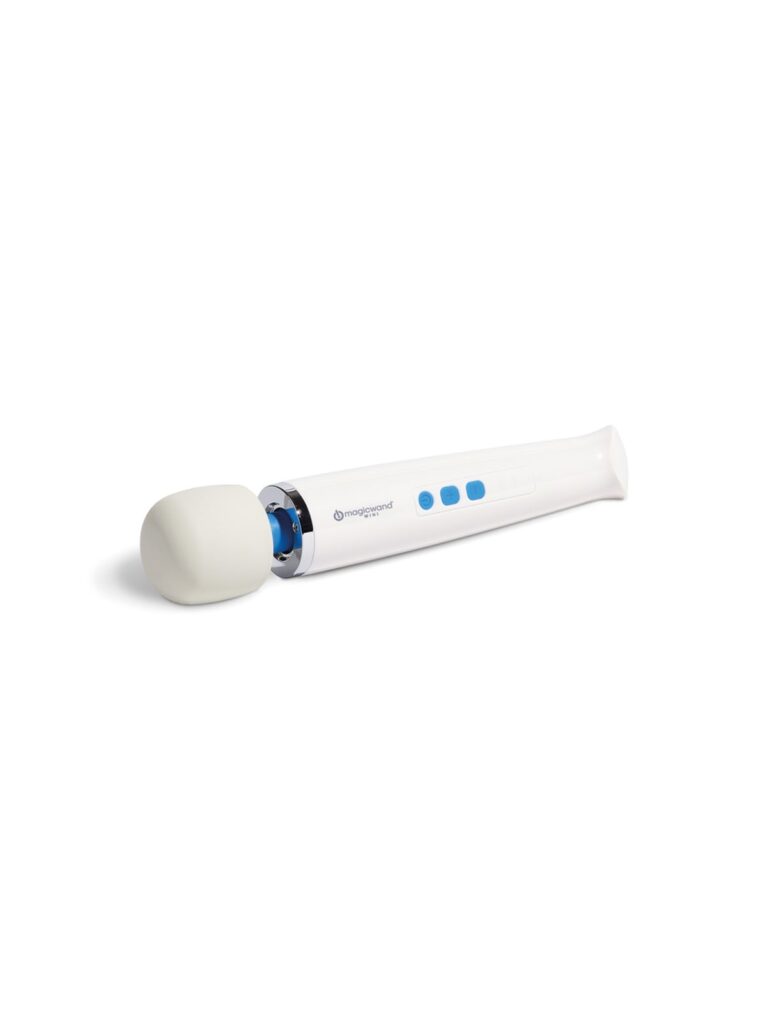
The sacrum — the flat bone at the base of the spine — sits over a dense cluster of nerve roots, and the skin around it responds strongly to both pressure and warmth. This is why a hand placed firmly on the lower back feels grounding, and why slow circular massage there so reliably turns into something more. Contrast is the tool here: warm palms, then cool breath, then warm again. Temperature shifts force the nervous system to keep paying attention. For solo play, a wand held low against the lower back transfers broad, deep vibration into muscle and bone — a sensation many describe as a full-body hum rather than a targeted buzz.
6. Inner thighs and the backs of the knees
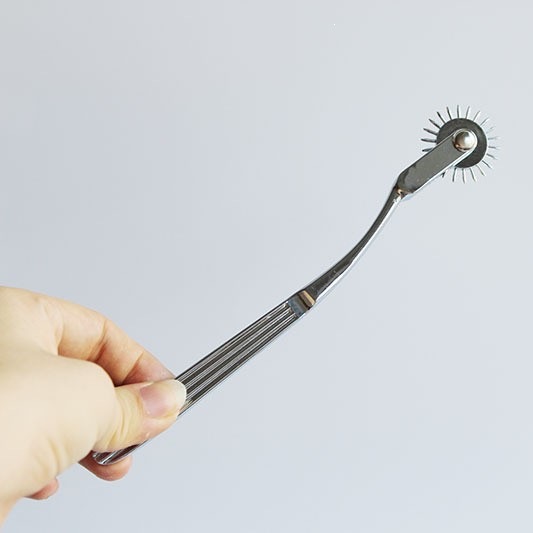
The inner thighs are classic teasing territory: thin, sensitive skin close to — but not at — the main event. The psychological mechanism is well documented. Proximity without arrival builds anticipation, and anticipation, as above, is where dopamine lives. The backs of the knees are the underdog entry on most maps: the skin there is thin, lightly touched in daily life, and responds well to very light contact. A textured sensory roller makes an effective tool for both zones — its ridged surface gives the skin something more interesting than a flat palm, and it covers large areas quickly. The rule for these zones is restraint: linger, then leave, then return. That rhythm teaches the body to expect more than it gets.
7. The feet
The soles of the feet carry one of the densest nerve supplies of any skin area, and neuroscience has a remarkable footnote here. The brain’s sensory maps for the feet and the genitals sit next to each other in the cortex, and neurologist V.S. Ramachandran documented phantom-limb patients who reported genital sensation when their feet were touched. The connection is real enough that foot massage has a documented erotic dimension for many people. Even for those who feel nothing sexual in it, a slow foot massage lowers stress and feels luxurious — and stress reduction is, itself, an arousal strategy. Practicality matters too: clean, cared-for feet and a hand towel nearby keep the scene comfortable rather than clinical.
8. The scalp and hair
Scalp massage works through a different channel than most zones: it is less directly erotic and more deeply relaxing, which makes it a powerful on-ramp. Fingertips moving slowly through the hair, gentle scratching across the scalp, light tugs at the roots — all of it shifts the nervous system out of vigilance and into receptivity, and receptivity is the precondition for everything else on the map. Many people report that a scalp massage is the single fastest way to decompress at the end of a long day. Hair pulling is a separate category with real technique and safety rules — a light grip at the roots is the beginner version; anything forceful belongs to a conversation about boundaries first.
Gear that extends the map — and what to look out for
A small toolkit covers most of the zones above, and each category has one beginner-friendly rule.
- Ticklers and feather tools. Soft silicone tips rather than real feathers — silicone is non-porous and washable, and can be disinfected between uses. Look for a firm handle and a flexible tip.
- Tongue vibrators. These trace the same paths lips and tongue would take. Choose one with a genuinely low first setting: rumbly and gentle beats fast and buzzy for skin work.
- Flavored mists. Look for formulas designed for skin and mouth use, and always patch-test on the inner wrist first. Mists are not lubricants — keep a proper lube for anything internal.
- Nipple clamps. Adjustable screw or slider models are the beginner standard: pressure can be dialed up gradually and released instantly. Fixed-tension clamps are a later step.
- Rollers and wands. Textured rollers cover broad areas (thighs, back); wands deliver deep, diffuse vibration that reads as massage rather than tickle.
One rule sits above the rest: every silicone tool pairs only with water-based lubricant, and every tool gets washed before first use and after every session.
The slow map
The room is mostly dark, one low lamp throwing gold across the bed. Outside, the city hums. There is no hurry anywhere in the room. A hand starts at the ear, tracing the outer curve, then the neck, then the collarbone — each stop visited the way someone visits a museum, not a station. The tickler replaces the hand on the inner arm, feather-soft, and a small sound escapes before it should. Time has quietly stopped mattering. Somewhere between the lower back and the backs of the knees, the map stops being a list of places and becomes a single, continuous landscape — warm, patient, and entirely, deliberately theirs.
Our picks
Six tools that extend the map, each chosen for a specific zone and a gentle learning curve.
Our Picks
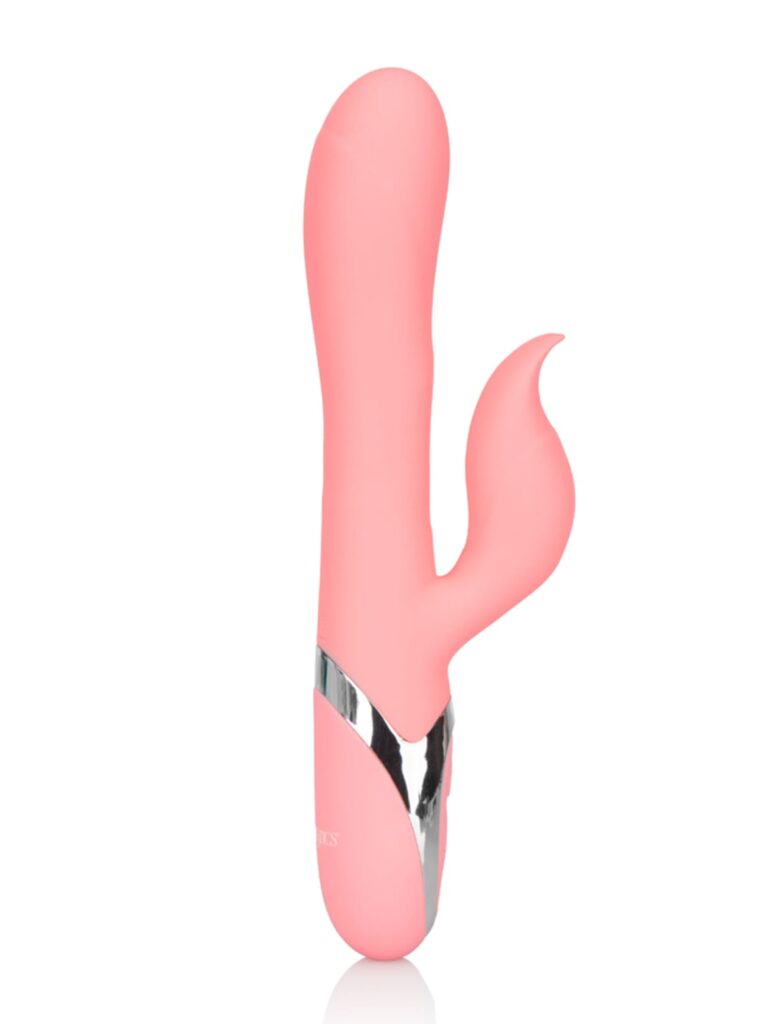
- Enchanted Tickler — soft, elegant tickler for arms, thighs and anywhere light touch belongs.
- Couples Textured Sensory Roller — ridged roller that covers broad zones like the back and thighs in minutes.
- Lush Crimson Velvet Tongue Vibe — a tongue-shaped vibrator for tracing paths hands can’t manage.
- Midnight Silk Flavored Oral Mist — a subtle taste that changes the texture of a kiss.
- Magic Wand Mini — deep, diffuse vibration for the lower back and sacrum, in a compact body.
- Peaches ‘n CreaMe Pearl Nipple Clamps — adjustable pearl clamps for gradual, controlled pressure.
FAQ
Are all of these zones universal?
No. Responses vary enormously between people and even between days. A zone that does nothing one evening can be electric the next, and a partner who dislikes one entry on this list is not broken. The map is a starting point, not a prescription.
Why does anticipation matter so much?
Dopamine — the neurochemical behind wanting and motivation — rises most during build-up rather than payoff. Stretching the build-up across more of the body lengthens the most chemically active phase of the whole experience.
Can nipple clamps cause damage?
Adjustable clamps worn for ten to fifteen minutes are widely considered safe practice. The signal to stop is numbness, not discomfort — numbness means circulation is restricted. Release the clamp the moment sensation fades.
Are flavored mists safe to use with toys?
Mists belong on skin and around the mouth, not as a lubricant. For anything internal or on silicone toys, use a dedicated water-based lubricant. Patch-test any mist on the inner wrist before the first full use.
What if a partner is hesitant to try whole-body play?
Frame it as exploration rather than replacement: “I read something interesting — would you be open to trying this together, with a safe word and no goal?” Remove the goal, and most hesitation dissolves into curiosity.
Ready to explore?
The map is bigger than the usual spots, and the tools are gentle. Shop our vibrators and for-her collections, and let the slow route do the rest.