The Art of Sensual Massage: A Guide to Full-Body Touch for Couples
Why massage works
Touch is the first language anyone learns and the last one most couples stop speaking. Long before words, skin against skin was how comfort, safety and desire were communicated — and the body never unlearned it. Sensual massage simply gives that language a structure: an evening, some warm oil, and permission for nothing else to matter. The science behind it is more than sentiment. A 2012 UCLA study found that fifteen minutes of massage measurably raises oxytocin — the hormone of bonding and calm — while lowering stress hormones at the same time. And in 2009, researchers publishing in Nature Neuroscience identified a dedicated channel in the skin, C-tactile nerve fibers, that responds specifically to slow, gentle stroking at roughly five centimeters per second: the body’s built-in answer to being touched with intention rather than haste. For couples learning to slow down together, massage is both the practice and the point.
Only got time for a quickie?

- Massage measurably raises oxytocin and lowers stress hormones — a 2012 UCLA study found oxytocin up 17% after a 15-minute massage.
- Strokes of roughly 5 cm per second light up C-tactile fibers, the skin’s dedicated gentle-touch channel (Nature Neuroscience, 2009).
- Massage oil and personal lubricant are not interchangeable: oil breaks down latex and can linger where it shouldn’t.
- Low-temperature massage candles melt into warm, silky oil at skin-safe temperatures — test a drop on the wrist first.
- Massage never has to lead anywhere. Saying that out loud is usually what lets both people actually relax.
Why people turn to it
Couples come to massage from a dozen directions. Some want to reconnect after a season of logistics — jobs, children, deadlines — when the last thing either person wants at 11 p.m. is another conversation about schedules. Others want a slower on-ramp to intimacy than direct initiation allows. Sex therapists have long noted that structured touch, like massage, gives both partners a clear role and a clear beginning: one gives, one receives, no one has to perform. “Massage is one of the gentlest ways back into each other,” explains Lisa Finn, a sex educator at Babeland. “It removes the pressure to be aroused immediately, and it builds anticipation in a way that words rarely do.” The research agrees with the instinct: oxytocin rises on both sides of the exchange — giver and receiver — which is why a massage evening can leave two people closer even when nothing else happens. That is the point worth underlining: the evening already worked.
Setting the scene
Most massage problems are solved before the first stroke. The room should be warmer than usual — muscles relax more readily in warmth, and the receiver will be undressed for long stretches. Dim, indirect light reads as permission to exhale; a candle or two does more for the mood than any playlist. Fresh towels go under the body, because oil happens, and a blanket stays within reach for warmth between sections. Phones go in another room. Music, if used, stays low and wordless — lyrics pull attention out of the body, and attention is the entire point.
Position matters more than beginners expect. The receiver lies face down with a pillow under the ankles and the arms settled comfortably; the giver sits or kneels to one side with oil within reach. Thirty to forty-five uninterrupted minutes is the sweet spot — long enough for the nervous system to downshift, short enough to keep focus.
Oils, lotions and candles: choosing the medium
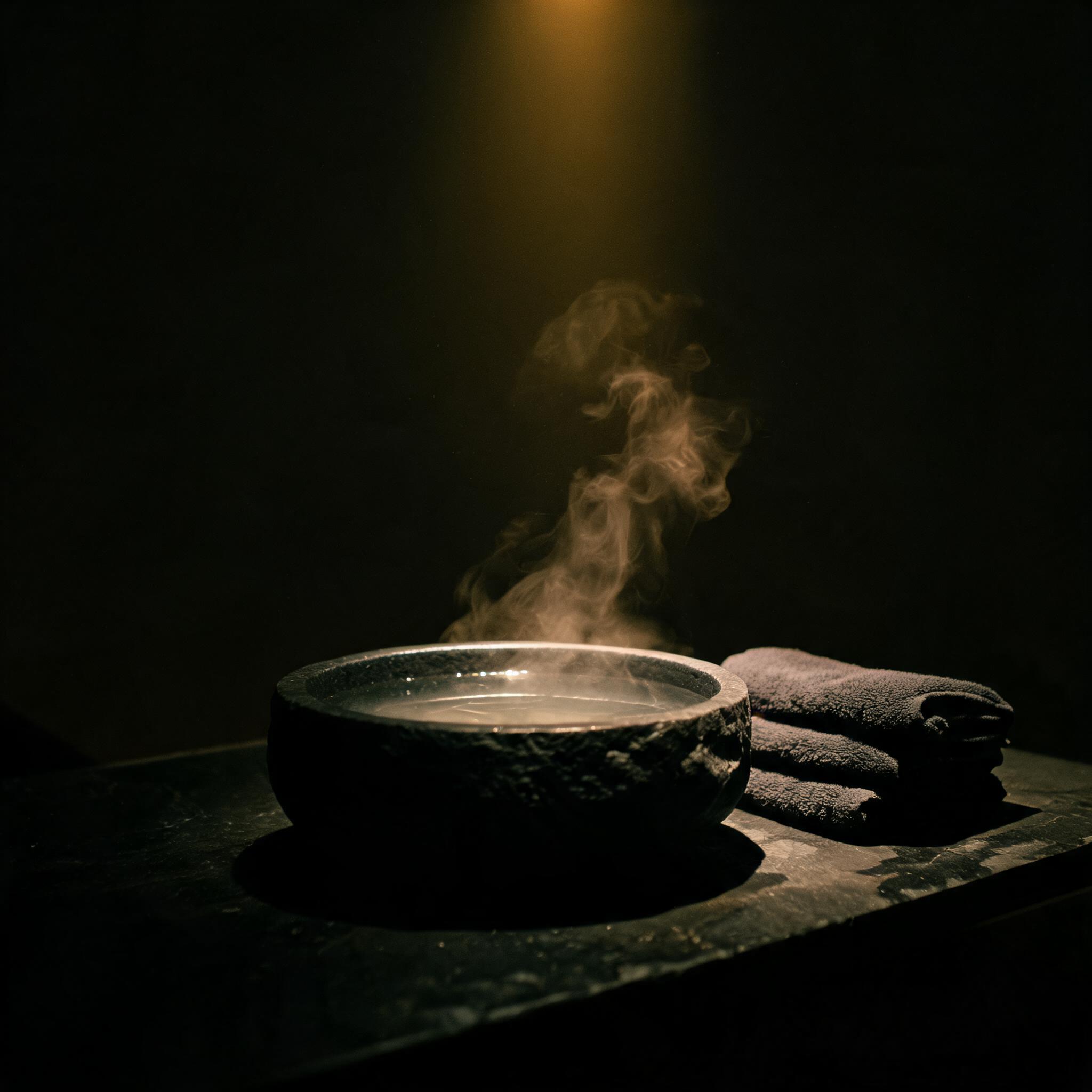
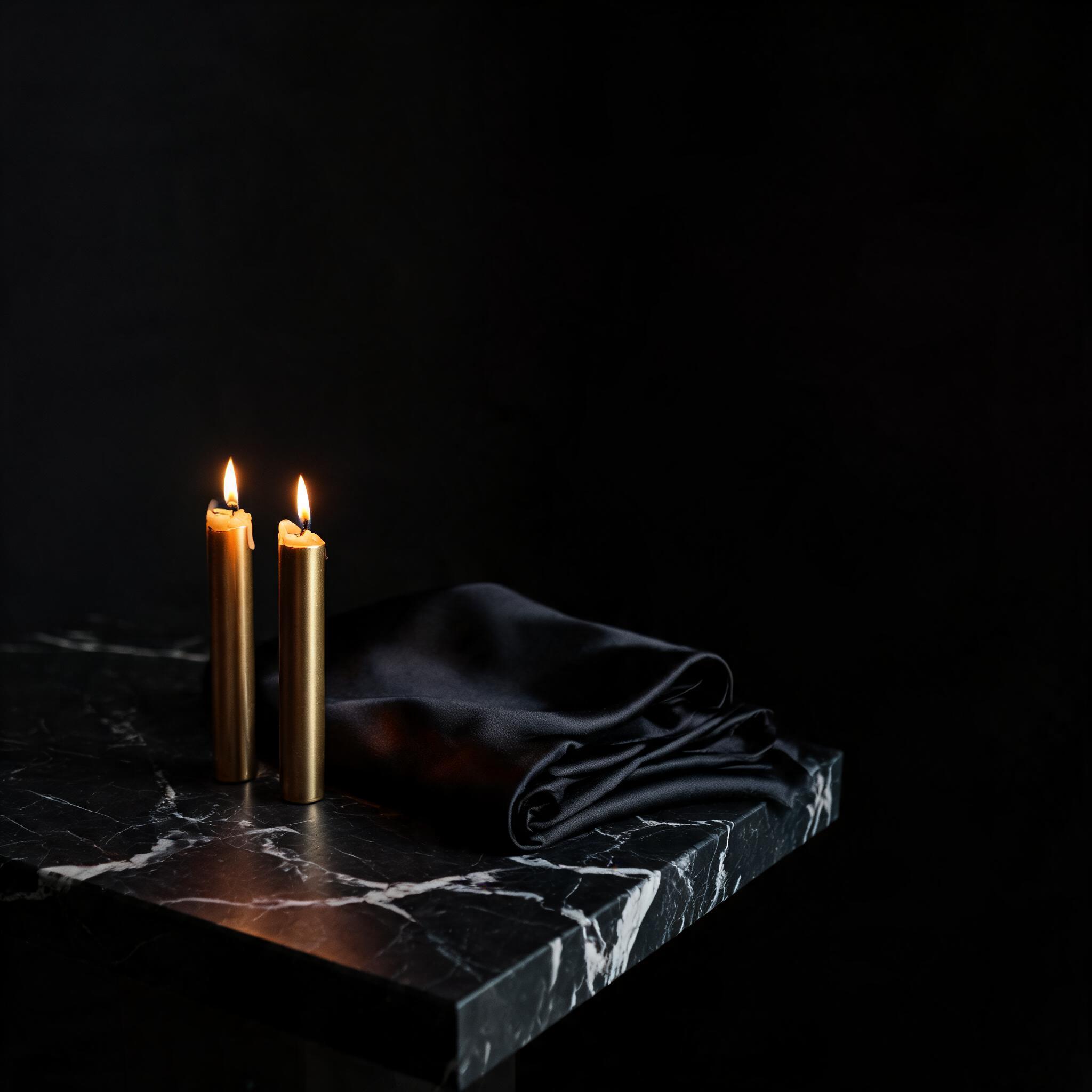
The medium decides the texture of the evening. Massage oil gives the longest glide and is the default for full-body work; a little goes further than a pour, and fragrance-free options spare sensitive skin. Body lotion absorbs quickly and suits shorter sessions. Massage candles are the theatrical option: made from low-temperature waxes that melt into warm, silky oil at temperatures safe for skin, they turn the light source itself into the massage medium. The warm pour onto a partner’s back is half the ritual.
Then the warnings, which matter because the mistakes are common. Massage oil is not lubricant. Oil breaks down latex condoms, and oil-based products can linger in the vagina and upset its natural balance. Keep massage oil for skin, and if the evening moves inward, a water-based lubricant waits separately in the drawer. Oil can also degrade some toy materials, so keep it away from anything insertable. Before the first candle pour, test a drop on the inside of the wrist — warmth and glide, never heat that stings. And anyone with sensitive skin does a small patch test of any new oil or melt a day ahead.
The strokes that matter
Amateur massage fails by going fast; professional massage succeeds by going slow. The foundational stroke is effleurage: long, gliding passes with the whole hand, always warm the entire back before anything targeted. Oil is warmed in the palms first, never poured directly onto the body — cold oil lands like a shock.
Petrissage, the kneading motion, belongs on the meaty zones: shoulders, trapezius, calves. Circles of the thumbs run beside the spine, never directly on the vertebrae themselves. Pressure is a conversation, not a decision: a simple one-to-ten scale — “where are we, do you want more?” — lets the receiver steer, and firm should never edge into painful. Breathing is the honest gauge. A slow exhale means the body is releasing; held breath means the pressure is too much, whatever the words say.
Pace is where the science of gentle touch pays off. The C-tactile research points to roughly five centimeters per second as the speed the skin reads as pleasure — unhurried, consistent strokes rather than fast rubbing. Slowing down is the cheapest upgrade in massage, and it costs nothing but intention.
A sequence that works
A dependable order gives the giver confidence and the receiver structure. Start by warming the oil and resting both palms flat on the back for a slow breath — this announces the session and lets the body consent to touch before work begins. Then eight to ten long effleurage strokes from lower back to shoulders. Move to the shoulders and neck with petrissage, where almost everyone carries the week. Arms and hands come next, then legs: calves and hamstrings with long strokes, skirting the back of the knees. Feet close the sequence with firm thumb work — some people love it, some are desperately ticklish, so ask before committing. Finish with three or four slow full-body strokes from heels to shoulders to seal the session. Throughout, one hand stays in contact with the body at all times; the moment both hands lift, the spell breaks.
Communication and consent
The most important sentence of the evening is spoken before the oil is opened. “This doesn’t have to lead anywhere” is not a disclaimer — it is the permission slip that makes relaxation possible. When both people know the massage is complete on its own terms, the receiver can stop performing and the giver can stop planning. Research on responsive desire helps explain why this works so well: for many people, arousal arrives in response to context and attention rather than initiating on command. An unhurried, no-agenda massage is exactly that context. And when the evening does deepen, the same slowness carries over — the rhythm of the massage becoming the rhythm of everything that follows. The lubricant waits in the drawer; nothing needs to be rushed.
Safety and boundaries
Massage is gentle medicine, but it is still pressure, and some bodies should be handled differently. Deep work stays away from recent injuries, surgical sites, blood clots, varicose veins and sunburn; fever or infection is a reason to postpone entirely. During pregnancy, professional advice applies — many practitioners avoid deep ankle and lower-back pressure in the third trimester. Oil is kept off the face and away from eyes, and the shower afterward deserves a note: oil-slick feet on a wet shower floor are the most common injury of the whole genre, so a mat or towel goes down first. Toys and condoms stay separate from oil, always. And the last boundary is emotional: either partner can pause or stop at any point, and a massage that ends early has still done its job.
The candlelit hour
The candle has melted to a warm pool of oil, and the room holds the scent faintly, like something remembered. Lamplight sits low in one corner; the sheets are folded back, a towel spread beneath. One person lies still while warm oil moves slowly across the small of the back — five centimeters a second, unhurried, the way the skin likes it. Somewhere in the next half hour, the breath of the person on the bed deepens into a rhythm that matches the strokes, and the evening turns liquid, all of its edges soft. There is a low, steady thrum when the massager joins the last minutes — not to interrupt the quiet, but to finish what the hands started. Outside, the night goes on. In here, nothing needs to be anywhere else.
Gear that deepens the evening — and what to look out for
Massage candles. Low-temperature waxes melt into warm oil — the light source becomes the medium. Look out for: a wrist test before the pour, a trimmed wick, and remembering it is for skin, never for internal use.
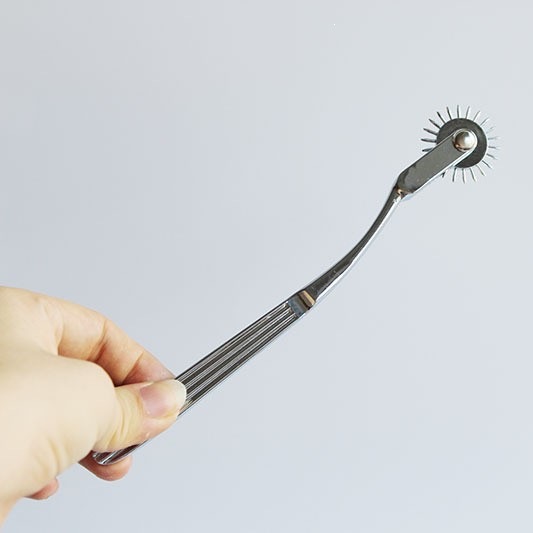
Sensory rollers. Textured rolling tools that trail light, teasing sensation between strokes — more about anticipation than deep tissue. Look out for: pressure expectations; these are for light-touch play, not working out knots.
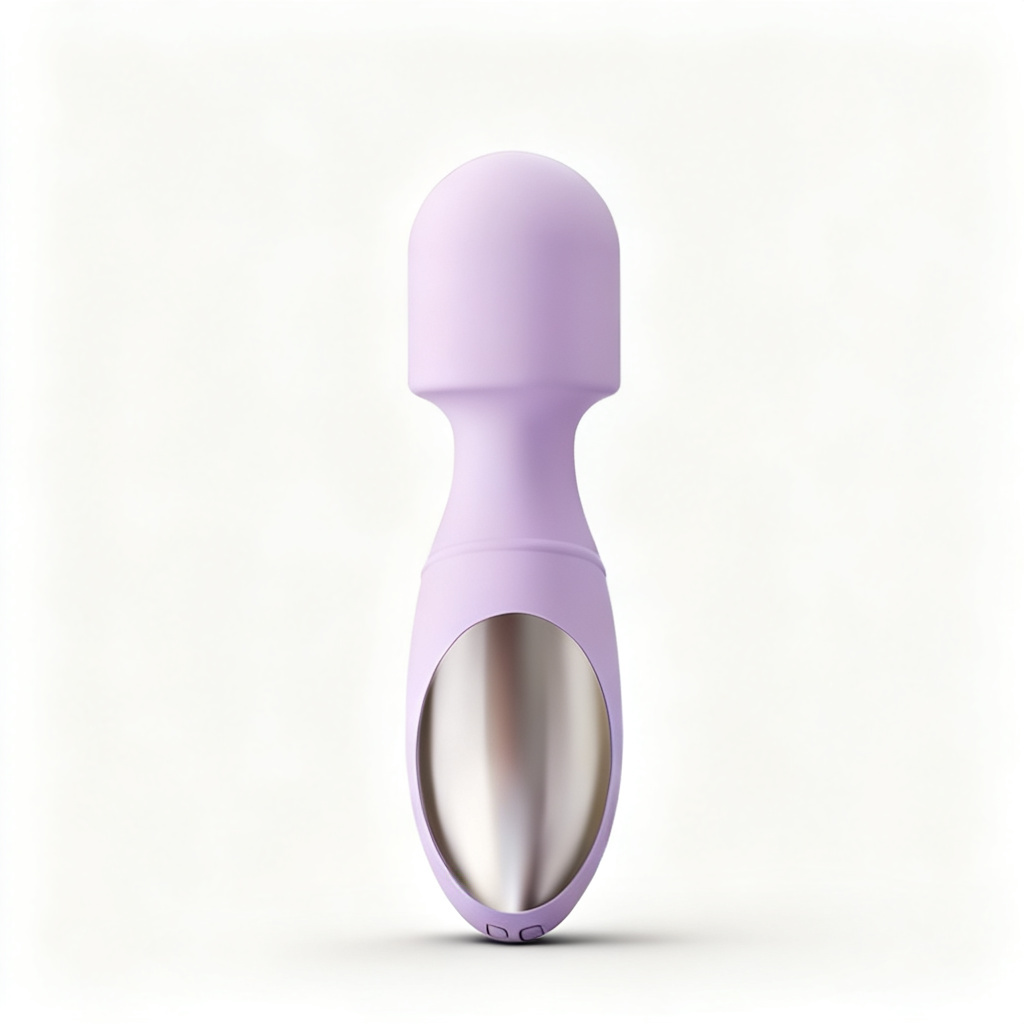
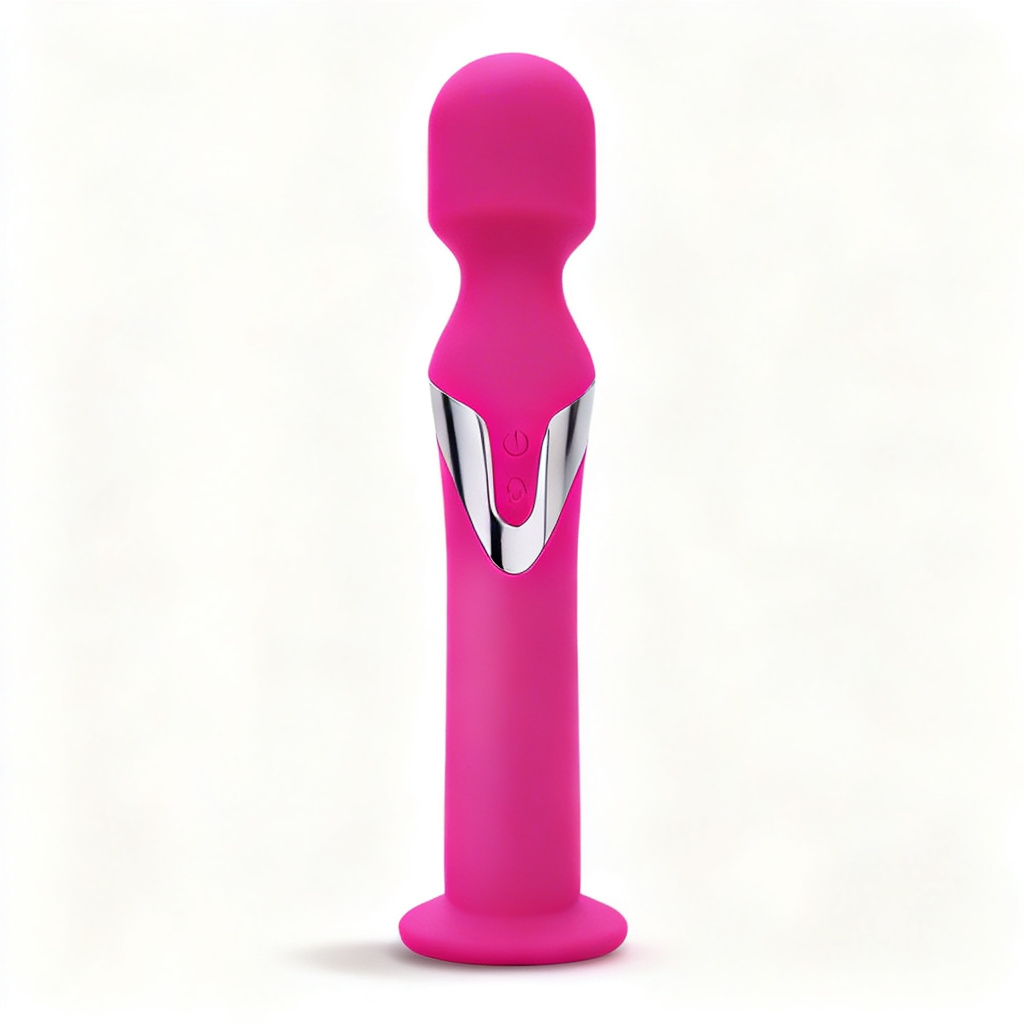
Wand massagers. Broad, rumbling relief for genuinely tired muscles, and a natural bridge from relaxation into arousal. Look out for: silicone heads pair only with water-based lube, and shared insertables get cleaned between bodies.
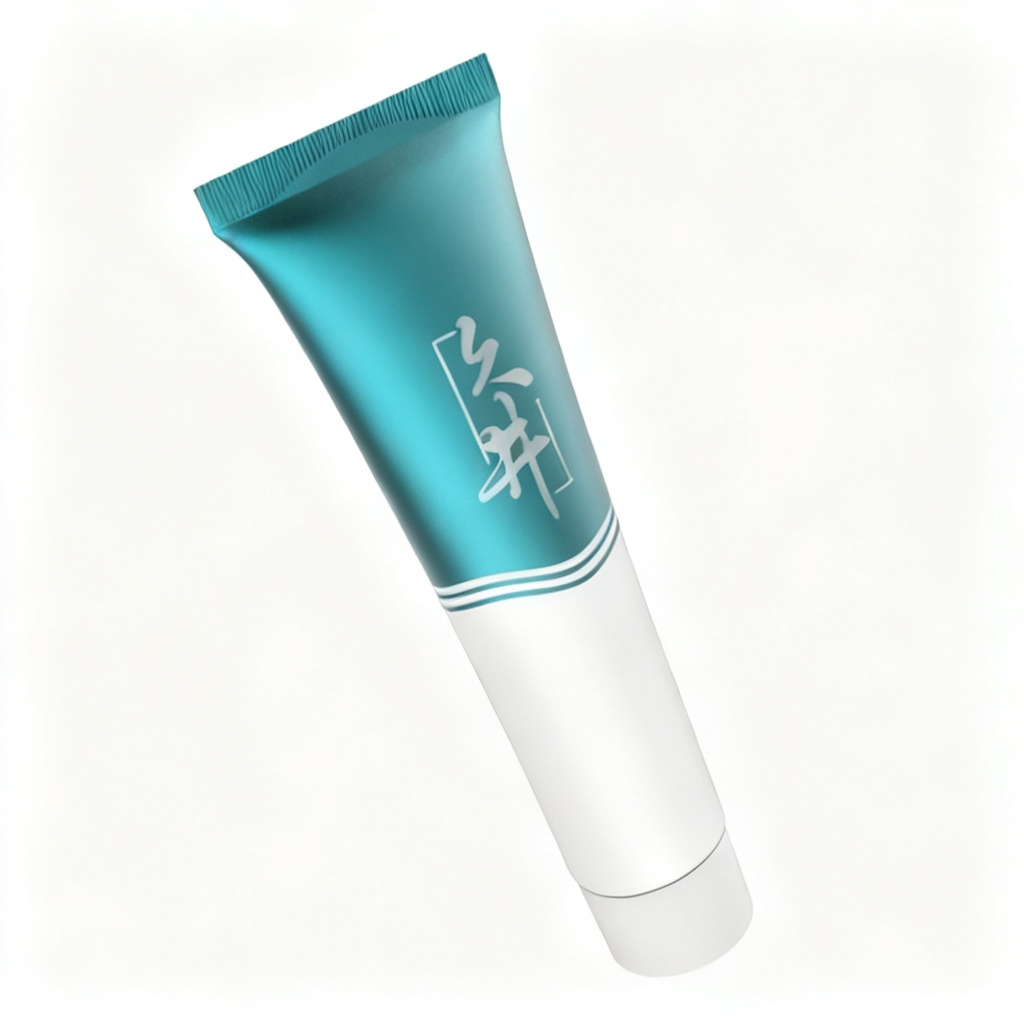
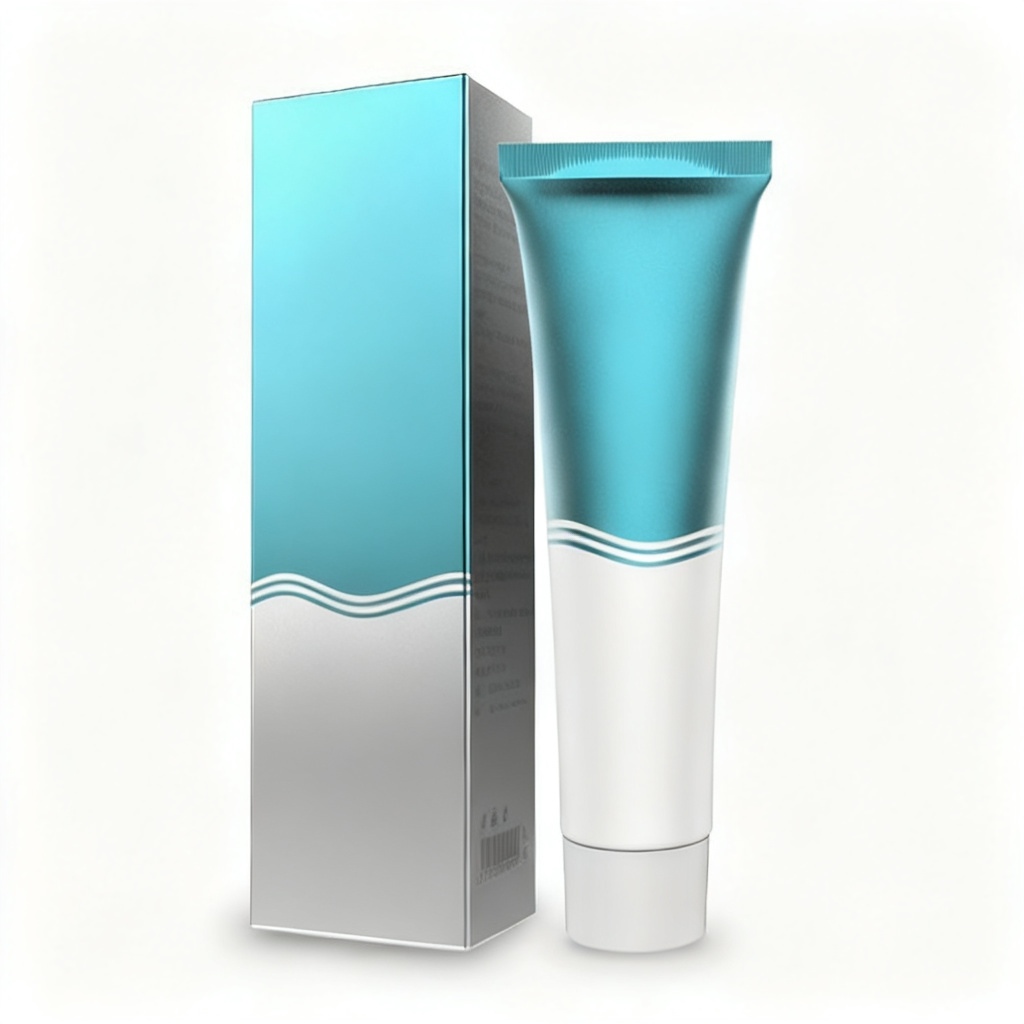
Water-based lubricant. The quiet companion for whenever the evening moves inward. Look out for: keeping it away from oil — and remembering it is the only lubricant safe with silicone toys and latex.
Body melts. Fizzing melts that turn bath or skin into a small event — playful warm-ups more than tools. Look out for: patch tests on sensitive skin; they are not lubricant.
Intimate mists. A light finishing note of scent or cooling sensation. Look out for: keeping them off broken skin, and off the list of lubricants entirely.
Our picks
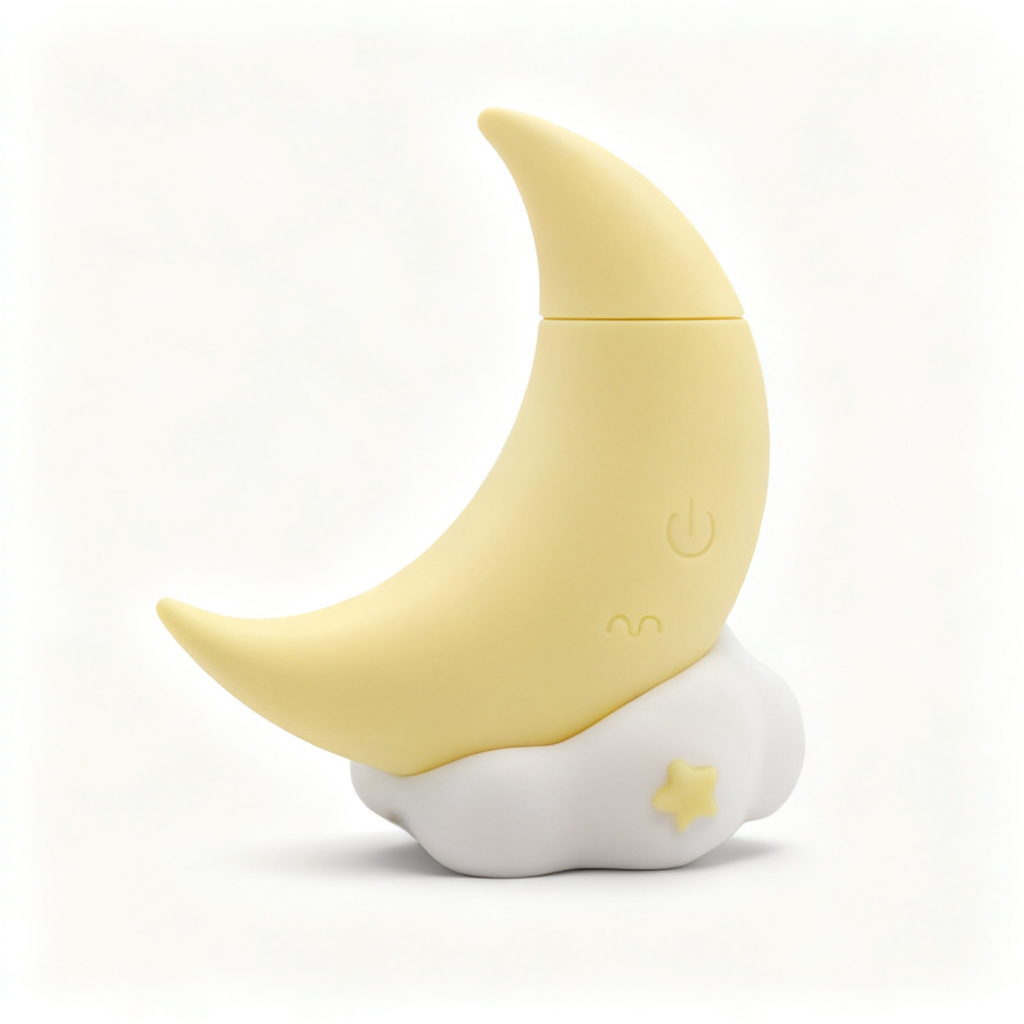
Six pieces from the BINOKU catalog for building the evening: a low-temp massage candle that becomes the oil, a textured sensory roller for teasing anticipation, a quiet mini wand for tired shoulders and slow escalation, a dual-ended massager for full-body glide, a silky water-based lubricant that respects latex and silicone alike, and a delicate mist for the final note.
Our Picks

FAQ
Can I use massage oil as lubricant?
No. Oil breaks down latex, can linger internally and upset natural balance, and harms some toy materials. Massage oil is for skin; water-based lubricant is for everything else.
Are massage candles actually safe?
Yes — they are blended from low-temperature waxes that melt around 40–50°C, warm rather than hot on skin. The rule is a wrist test before the first pour, and keeping the oil away from eyes.
How long should a sensual massage last?
Twenty to forty-five minutes is the working range. Fifteen unhurried minutes can be enough; beyond an hour, most bodies have had their fill and the giver tires. The pace matters more than the clock.
Does a massage have to lead to sex?
No — and naming that out loud is often what makes the evening work. Massage is intimacy on its own terms; when more happens, it happens because the context invited it, not because it was owed.
What if the oil gets on sheets or toys?
Towels under the body catch most of it. Oily residue on a toy should be washed with a toy cleaner before storage, and oil that meets latex or porous materials is the real hazard — keep them apart from the start.
Ready to explore?
An evening of slow touch needs very little: a candle, some glide, and time no one is counting. Browse the couples collection for the candles, rollers and small things that slow a night down — and let the rest of the evening take care of itself.