Heated & Warming Toys Explained: What Warmth Actually Adds to Sensation
Warmth is having a moment in the toy drawer. A growing share of new vibrators, strokers and wearable toys now ship with built-in heating, and warming lubricants have been quietly popular for years. The appeal is not aesthetic. Heat changes how the body registers touch at a physiological level — blood vessels dilate, muscle fibers let go, and skin that is warm simply reports sensation more vividly. This guide explains what warming toys actually do, how the technology works, where the categories overlap, and the safety rules that separate a good experience from a bad one.
Only got time for a quickie?

- Heat dilates blood vessels, which increases blood flow, relaxes muscle and makes skin more sensitive to touch — the core reasons warming toys feel different.
- Most warming toys target roughly 37–42°C — at or just above body temperature — warm enough to feel, cool enough to be safe by design.
- Warming lubes and arousal gels add gentle heat through skin-friendly formulas; they are a separate category from “hot play” and far milder.
- Never combine heat with numbing sprays or desensitizing gels: reduced sensation means a burn can go unnoticed.
- Warming toys are almost always silicone — which means water-based lubricant only, every time.
- Heating draws extra power: expect shorter battery life on warm mode, and plan charging accordingly.
Why do people reach for warmth?

The physiology is straightforward. When skin warms, blood vessels near the surface dilate — a process called vasodilation — and circulation rises. For arousal, that is significant: increased blood flow is the physical mechanism behind engorgement and heightened sensitivity, and warmth does part of that work before touch even starts. Heat also relaxes muscle. Pelvic and surrounding muscles that stay tense in a cold room tend to let go when the area is warmed, which many people experience as arousal arriving faster and more comfortably.
Then there is the psychological layer. Cold is a stress signal; warmth is a safety signal. Research on comfort consistently links physical warmth to relaxation and openness, which is why a cold bedroom is one of the most common reasons people cite for losing the mood. Warming toys solve that problem at the source — the heat starts at the point of contact, not at the thermostat.
1. How auto-warming toys actually work
Warming vibrators and strokers carry a small heating element inside the silicone, usually near the surface that contacts skin. Most are designed to reach their target temperature within a minute or two of powering on, then hold it — the better designs stay in the 37–42°C band, at or slightly above body temperature, deliberately below anything that could harm skin or mucosa. The difference between a warming toy and a hot one matters: a good warming toy feels like shared body heat, not like a heating pad. The trade-off is battery. Holding temperature requires continuous power, so most warming toys run for noticeably shorter sessions on heat mode than on vibration alone. For remote-controlled or app-connected models, the heating function is typically toggled separately from vibration patterns, so partners can mix and match.
2. Warming lubricants and arousal gels
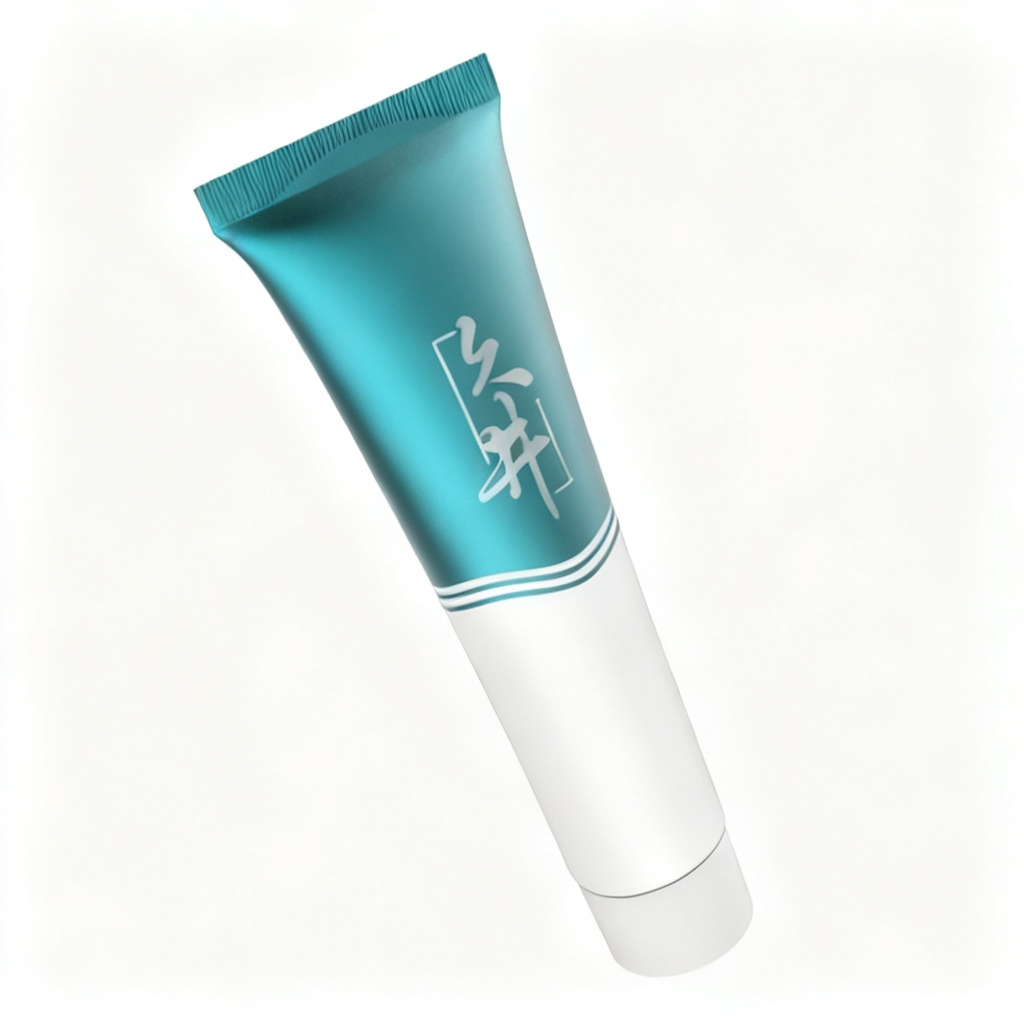
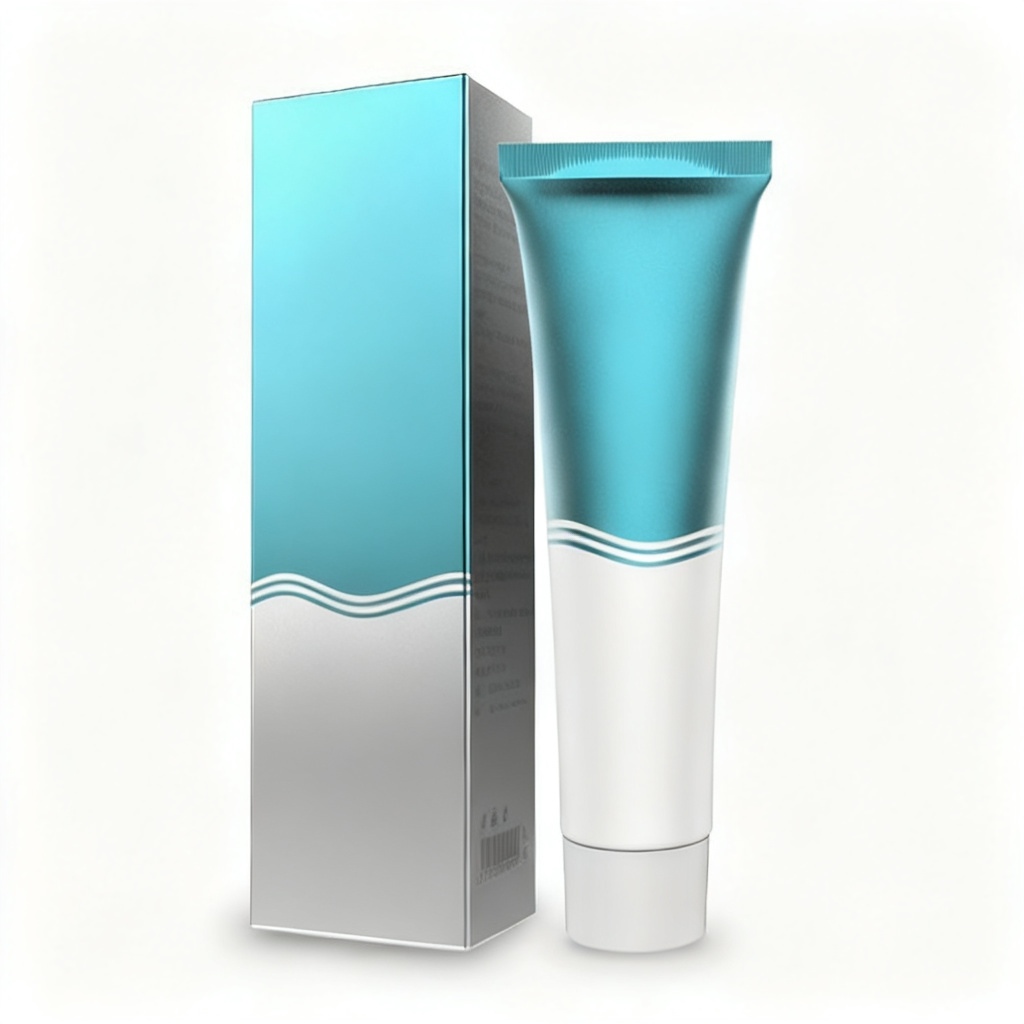
Warming lubes produce a gentle, spreading warmth — some through ingredients that mildly stimulate circulation in the skin, others through a slow reaction with moisture. They are deliberately mild: the sensation is warmth, not heat, and it fades over a few minutes. Arousal gels occupy the next shelf over. Formulas like a warming arousal gel are designed to heighten sensation before play begins, applied a few minutes ahead so the warmth has time to build. Two rules govern this category. First, a wrist test: apply a small amount to the inner wrist and wait, the same patch-test logic used for any skin product. Second, check compatibility — a water-based warming lube is safe with silicone toys, while silicone-based lubes are not. If the label does not say “silicone compatible,” do not pair it with a silicone toy.
3. Heated wearables and eggs

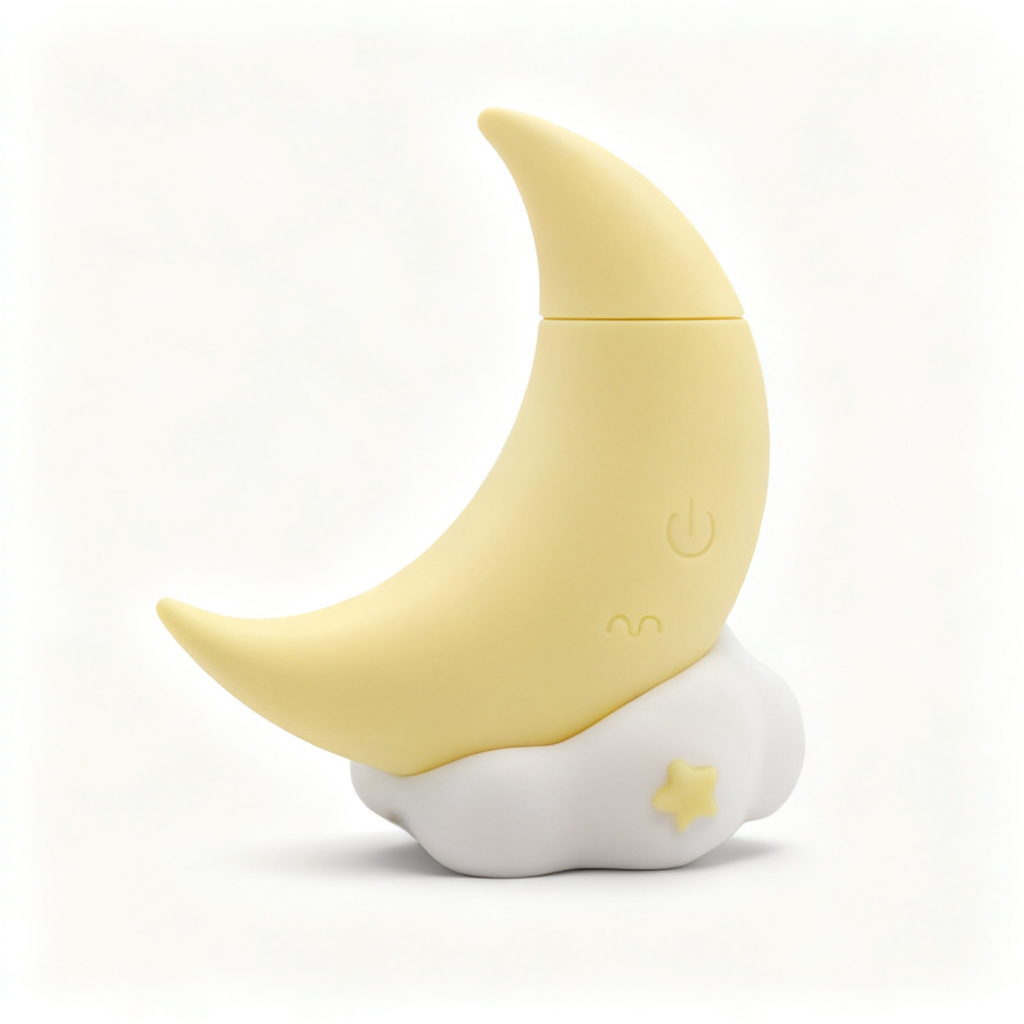
Wearable toys — eggs, remote vibes, couples rings — are where heat does its most interesting work, because a wearable has time. An egg that warms while it sits in place is doing two things at once: delivering constant, body-temperature contact and amplifying the vibration that follows. Remote control changes the dynamic further: one partner holds the remote, and the other experiences both the heat and the sequence of patterns chosen for them. For couples, a heated wearable is one of the simplest introductions to toy play — it requires no positioning, no technique, and no interruption of whatever else is happening. The beginner note: start with vibration off and heat on for the first minute or two, letting the warmth arrive before any other sensation joins it.
4. Warming strokers
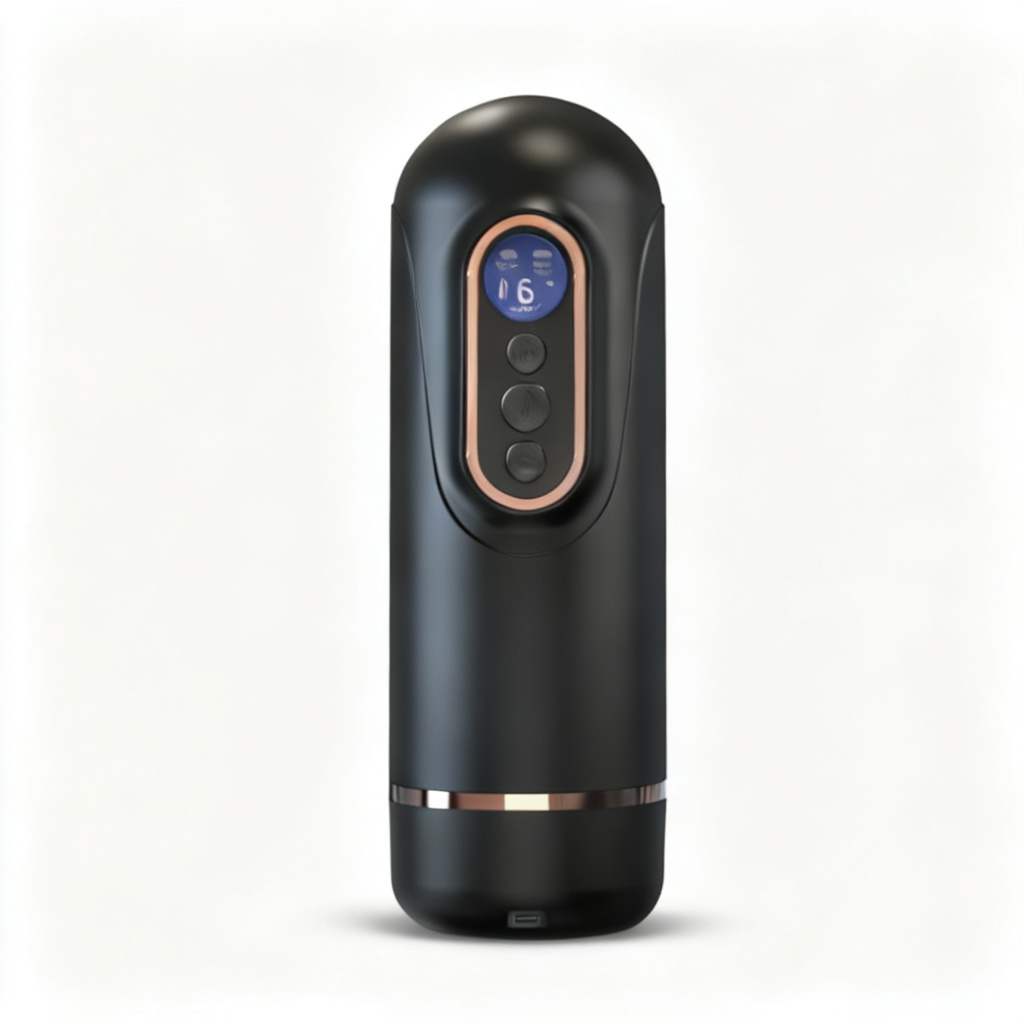
Warming strokers combine heat with texture and, in automatic models, motion — thrust, rotation or suction. The result is closer to skin-to-skin contact than a room-temperature sleeve can manage, which is the point most reviewers make first: warmth is what separates the experience from an obviously mechanical one. Automatic warming strokers typically run through preset programs, so the user’s job is reduced to choosing a mode. The practical advice for first use is the same as for any stroker: water-based lube inside the sleeve, a gentle first session, and a full wash afterward. Heat plus sleeves has one extra rule — never warm a sleeve in the microwave or with hot water to “boost” it. Built-in heating elements are regulated; improvised heat is not.
5. Pairing heat with other sensations
Heat pairs exceptionally well with two other technologies: suction and thrust. A warming suction toy combines the two sensations most often described as “closest to the real thing” — air pulse and body warmth — while a warming thrusting massager layers rhythmic movement over heat. The effect in each case is the same principle working twice: warmth lowers the body’s guard, and the second sensation then lands on skin that is already more receptive. Temperature contrast is the third trick. A warm toy in a cool room, or a warm toy introduced after cool air on the skin, sharpens the perception of both. Contrast forces the nervous system to register change, and change is what perception runs on. Many users also report that warming toys make solo sessions feel less clinical — the heat reads as presence, which is half the battle in a bedroom with no other body in it.
6. Temperature safety: where the line sits
Warming toys are engineered to stay in a safe band, but the user-side rules still matter. The most important is the numbing-gel rule: desensitizing sprays and gels reduce sensation, and heat plus reduced sensation is the classic recipe for an unnoticed burn. If a numbing product is anywhere in the routine, skip the heat feature. People with diabetes, neuropathy or any condition that affects temperature sensation should consult a clinician before using heated toys, because the body’s own warning system is the final safety layer. The wrist test applies to any new warming product: hold the heated surface against the inner wrist for a few seconds — if it feels uncomfortably hot there, it will feel worse elsewhere. And internal heating should never be improvised. Only toys with built-in, regulated warming elements belong inside the body; nothing else gets warmed and inserted.
7. Lube and cleaning
Every warming toy in this guide is silicone, which fixes the lubrication rule in advance: water-based lube only. Silicone lubricant bonds to silicone surfaces over time, degrading them. Cleaning follows the standard toy protocol — warm water, mild unscented soap, thorough rinse, air dry — with one addition: the heating element should never be submerged longer than the manufacturer’s instructions allow, so check the water resistance rating before washing. Submersible models can be rinsed fully; splashproof models get a damp cloth. Store toys dry, out of direct sunlight, and never leave a warming toy running on a surface for extended periods — heat plus fabric is how accidents start, however mild the temperature.
Warming categories — and what to look out for
At a glance, the warming shelf breaks into four categories, each with its own checkpoints:
- Warming vibrators and suction toys. Look for a low-vibration setting that starts rumbly, a waterproof rating, and heat that can be toggled off independently of vibration.
- Heated strokers. Look for textured inner sleeves, an easy-open design for cleaning, and automatic programs that include a low-intensity option.
- Heated wearables and eggs. Look for app or remote control with independent heat control, and a charging case if discretion matters.
- Warming lubes and gels. Look for water-based formulas, a stated silicone-compatibility note, and a patch test before first full use.
The one rule that overrides all of them: if heat and numbness are ever combined, stop. Sensation is the safety system.
The winter window
Rain taps the glass, and the room on the other side of it is cold enough to see a breath in. Under the blanket, the temperature is an argument — and then a small button is pressed, and the argument ends. The warmth starts as a rumor, then a certainty, spreading before any other sensation joins it. Outside, the storm continues. Inside, time has slowed to the speed of body heat, and the winter outside the window has become the reason the warmth inside feels the way it does. By the time the rain stops, no one has noticed it stop.
Our picks
Six warming options across the four categories, chosen for gentle learning curves and genuine heat.
Our Picks
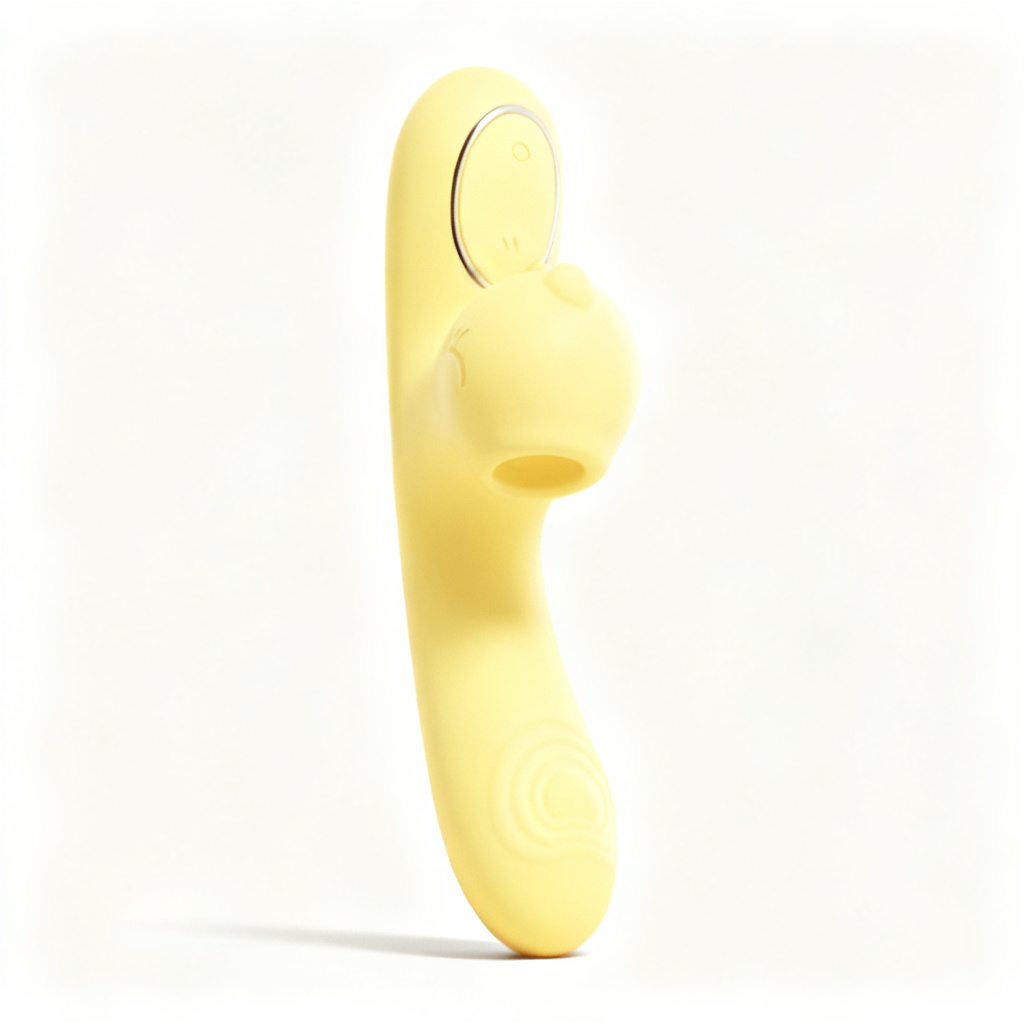
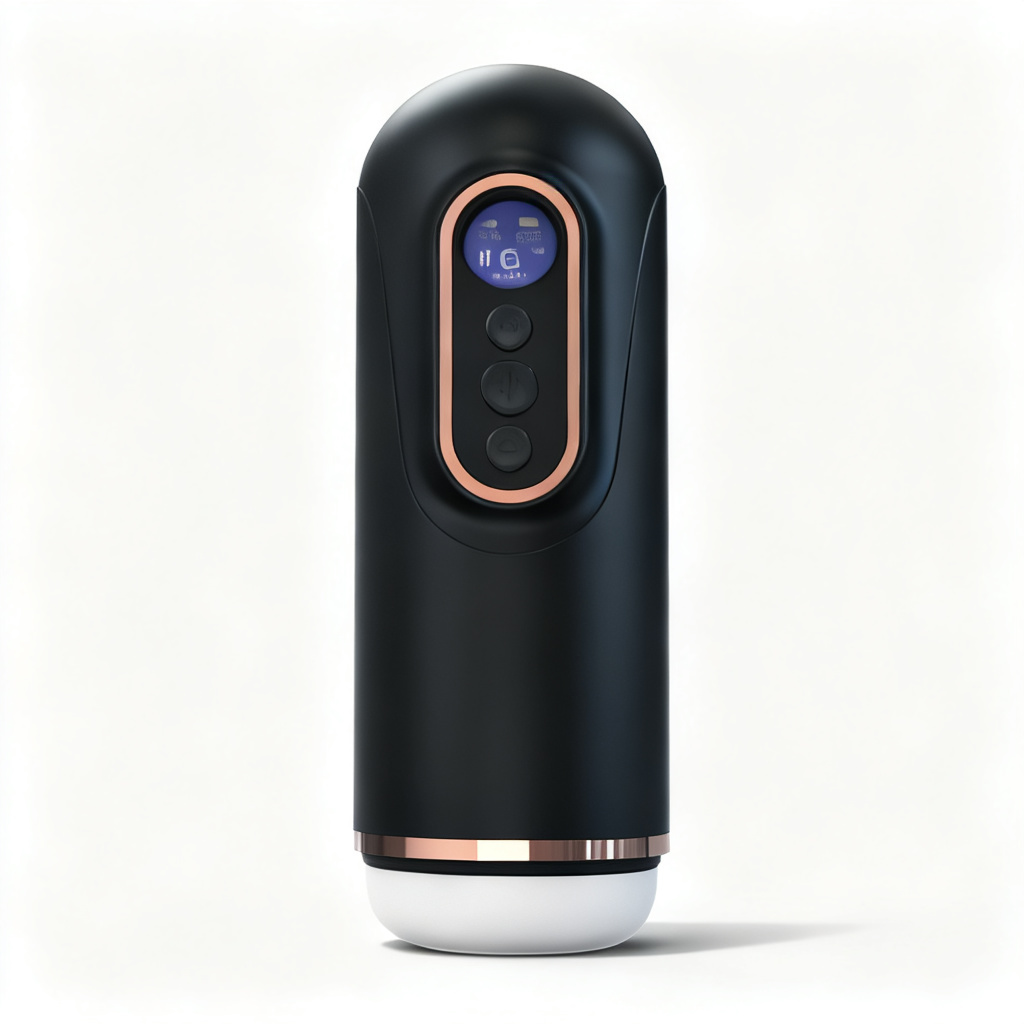
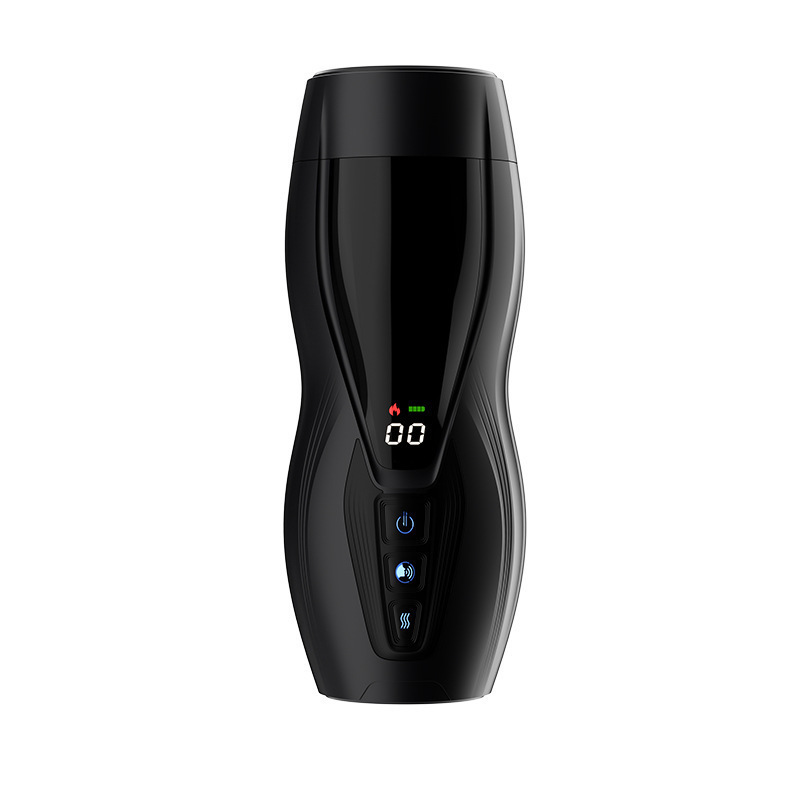


- Mano Talis Warming Thrusting Massager — entry-level warmth plus thrust, the gentlest way to meet both at once.
- Milly Warming Suction Vibe — air pulse and heat together, the pairing most reviewers call “closest to skin.”
- Adaptive Sonic Warming Stroker — heat plus texture for solo sessions that no longer feel clinical.
- Fantasy Dream Auto Heating Vibrating Stroker — automatic programs with heat, for hands-free sessions.
- Whale Wireless Remote Control Heated Egg Vibe — a heated wearable with a remote, ideal for couples.
- Reignite Sensation Arousal Gel — warming gel to apply before play, giving the heat time to build.
FAQ
How hot do warming toys actually get?
Most are engineered for the 37–42°C band — at or slightly above body temperature. That is warm enough to feel distinctly different from a room-temperature toy and well below anything that could damage skin or mucosa in normal use.
Does the heating feature drain the battery faster?
Yes, noticeably. Holding a temperature draws continuous power, so sessions on heat mode run shorter than vibration-only sessions. Charge before a session that matters.
Can warming lubricants be used with silicone toys?
Water-based warming lubes are silicone-safe. Check the label for an explicit silicone-compatibility note; if it is absent or the formula is silicone-based, keep it away from silicone toys.
Are warming toys safe for internal use?
Toys with built-in, regulated heating elements are designed for internal use and stay within a safe temperature band. The rule is simple: only built-in heat goes inside — never warm a toy externally and insert it.
Can I boost the heat with hot water or a microwave?
No. Built-in heating elements are regulated by design; external heating is not. Microwaving or hot-water warming a toy risks uneven hotspots, material damage and burns. The feature is either built in or it is not used.
Ready to explore?
Warmth changes the room and the body at once. Shop our vibrators and strokers, and let the heat do the introduction.