The Orgasm Gap, Explained: Why Equal Pleasure Often Isn’t — and How to Close It
The orgasm gap is one of the most consistently measured findings in sex research: in large national surveys, men who have sex with women report reaching orgasm far more often than their female partners do. The pattern appears in hookups, in long relationships and in bedrooms that otherwise look healthy. The encouraging part of the data is what it rules out — the gap is not a biological rule. It tracks almost perfectly with the kind of stimulation people receive, which means it responds to information, communication and better tools. This guide explains what the research actually shows, why the gap persists, and the concrete steps that close it.
Only got time for a quickie?

- The gap is real and measured: around 95% of heterosexual men report usually orgasming during sex, versus about 65% of heterosexual women (Garcia et al., 2014).
- Anatomy explains most of it — only about 18% of women orgasm from penetration alone, while 36.6% need clitoral stimulation to get there (Herbenick et al., 2017).
- The fix is not mystery or magic: it is consistent external stimulation, which vibrators and air-pulse toys deliver reliably.
- Solo practice predicts partnered success — people who learn what works for them alone can communicate it later.
- Bringing a toy into sex is a communication exercise first; the scripts in this guide give a starting point.
- Water-based lube is the universal companion for every toy and every body in this guide.
What the research actually shows

The headline number comes from a landmark study of more than 28,000 people published in the Archives of Sexual Behavior (Garcia, Lloyd, Wallen & Fisher, 2014): 95% of heterosexual men said they usually orgasm during sex, against 65% of heterosexual women. The same study found lesbian women reporting rates around 86% — higher than heterosexual women and not far below men, which is a strong hint that the gap is about the sexual script, not about female bodies. Follow-up work pointed the same direction: in the 2020 ARCHES study of first-time hookups (Mahar et al.), men were about four times more likely than women to orgasm during a first sexual encounter.
Where the gap narrows is instructive. Studies of sexual behavior consistently find that women who receive oral sex or manual stimulation during partnered sex orgasm far more often than those who rely on penetration alone. As psychologist Laurie Mintz, author of Becoming Cliterate, puts it: the orgasm gap is a cultural problem, not an anatomical one.
Why the gap exists
Three factors do most of the work. First, anatomy: the glans of the clitoris — the most nerve-dense external organ on the body — sits outside the vaginal canal. Penetration stimulates the internal branches of the clitoris only indirectly, which is why a large share of women need direct external contact to reach orgasm. Second, scripts: much of heterosexual sex is culturally narrated as ending when the male partner finishes, which leaves external stimulation as an optional extra rather than the main event. Third, practice: research on masturbation shows a wide asymmetry (roughly 95% of men versus 81% of women report masturbating, in studies by Robbins et al.), and solo practice is where most people learn the specific stimulation that works for them.
None of these are permanent. Each one can be addressed with information, patience and the right tools — which is where toys earn their reputation.
1. How toys close the gap
Vibrators solve the core technical problem: they deliver continuous, precise stimulation that hands cannot sustain for long. The quality distinction that matters most is rumbly versus buzzy. Rumbly motors produce low-frequency, deep vibration that travels through tissue; buzzy motors are high-frequency and surface-level, and can numb rather than arouse over time. As Lisa Finn, a sex educator at Babeland, explains, rumbly vibration is what most people looking for build-up should seek out — the sensation spreads deeper than the contact point.
Air-pulse toys add a second mechanism. Instead of vibrating, they use gentle air pressure to create a tapping, suction-like sensation around the clitoral glans. For many people the effect is a faster, more focused route to orgasm than any vibration setting — and for some, it is the first stimulation that has ever worked reliably. Neither technology depends on penetration, and both are designed to be used alone first and with a partner later.
2. Start solo

The strongest predictor of partnered orgasms is knowing your own pattern. Solo sessions are where that map gets drawn: which speed, which pressure, which location, how long. People who already own a reliable solo routine bring something concrete to a partnered conversation — a setting, an angle, a toy — instead of a vague “it would be nice if.” A wand or an air-pulse toy is the standard recommendation for this stage: both work externally, both have generous intensity ranges, and both teach what steady stimulation actually feels like. There is no performance to manage when the session has one audience member, which is precisely the point.
3. Bring it to bed
The communication part is easier than it sounds, and scripts help. Annabelle Knight, sex and relationships expert at Lovehoney, has made a career of pointing out that talking about sex is a skill that gets easier with practice — starting small and specific beats a dramatic sit-down. Three openings that work:
- “I read something interesting about the orgasm gap — most of it comes down to external stimulation. Would you be open to trying a toy together?”
- “This isn’t a replacement for you. It’s a shortcut to the kind of touch I respond to best.”
- “What if we made the next few sessions about figuring out what works for me, with no pressure on either of us?”
In practice, toys slot into sex the way a second pair of hands would: a bullet held against the clitoris in missionary, a ring worn by the penetrating partner, an air-pulse toy used during oral. The person receiving the stimulation controls the toy first — handing over the controls is a later stage, not the first one.
4. Blended orgasms and dual stimulation
A blended orgasm is what researchers mean when internal and external stimulation happen at the same time — and for many people it is the most reliable kind. The rabbit category was built for this: an insertable shaft plus an external arm, running on independent or shared motors. Given the 36.6% figure from Herbenick et al. — women who need clitoral stimulation to orgasm during sex — dual-stimulation toys are not an advanced purchase. They are a default-option purchase for anyone whose orgasms arrive more often with both kinds of input. If one style does not fit a given body, the fix is a different toy, not less stimulation.
5. Arousal, lube and time — the non-negotiables
Two practical details sit behind many of the gap’s numbers. The first is time: arousal is not synchronized between bodies, and the partner who needs external stimulation usually benefits from longer warm-up. The second is lubrication: friction discomfort is one of the most common reasons women interrupt or skip sex, and a good water-based lubricant removes it entirely. Lube is not an admission of failure — it is the single highest-value upgrade in the room, and every silicone toy in this guide is compatible with water-based formulas. Arousal gels that increase sensitivity are a further option for people who want a head start on the warming-up phase.
Gear — and what to look out for
The closing-the-gap shelf has four main formats:
- Air-pulse stimulators. Look for multiple intensity levels, a nozzle that seals comfortably, and a waterproof rating for shower use.
- Wands. Look for rumbly low settings, a body-safe silicone head, and cordless operation.
- Rabbit and dual-stimulation vibrators. Look for a flexible external arm — anatomy varies, and the arm is the part that needs to flex.
- Bullets and small external vibes. Look for a rumbly motor despite the size, and a single-button interface for in-the-moment use.
| Format | Best for | Stimulation style | Partnered use |
|---|---|---|---|
| Air-pulse stimulator | Focused, fast clitoral orgasms | Air pressure taps, no direct vibration | Held in place during oral or intercourse |
| Wand | Broad, deep, rumbly stimulation | Low-frequency vibration through tissue | Held by either partner in most positions |
| Rabbit / dual-stim | Blended internal + external orgasms | Shaft vibration plus clitoral arm | Solo or during penetration |
| Bullet | Precise, beginner-friendly external touch | Focused vibration, small contact area | Easiest toy to hold between bodies |
Look out for buzz: if a toy numbs rather than builds, its motor is high-frequency — switch to a rumbly model instead of turning it up. And keep every silicone toy away from silicone-based lube; water-based only.
The five-minute favor
The room is warm, the lamp on its lowest setting, and the agreement is simple: for the next few minutes, nothing is required of either of them except attention. The toy hums at a frequency the hand can feel but not match, and the stillness that follows is its own kind of intimacy — two people listening to a rhythm instead of rushing it. Somewhere in those minutes the usual roles fall away; there is only the small shared project of finding the right pressure, and the quiet confirmation when it is found. It is called a favor, but by the end it has stopped being one.
Our picks
Six tools from the BINOKU catalog for closing the gap, ordered from the gentlest starting point to the most advanced.
Our Picks
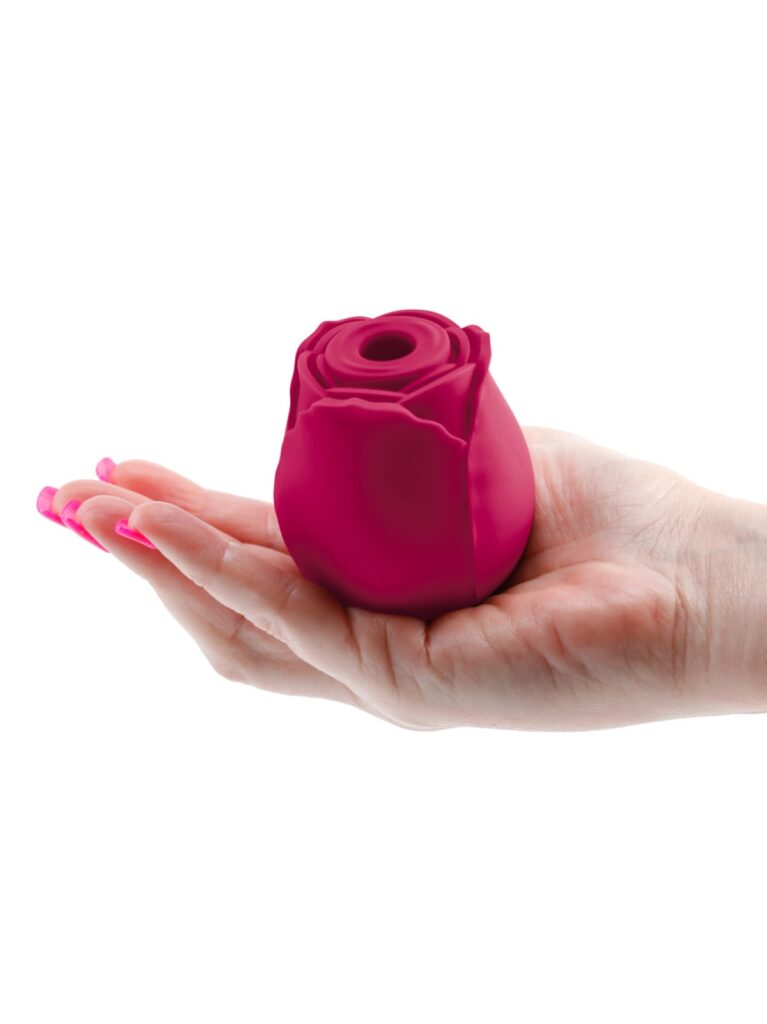

- INYA The Rose Clitoral Stimulator — an affordable air-pulse entry point with a compact shape that is easy to hold between bodies.
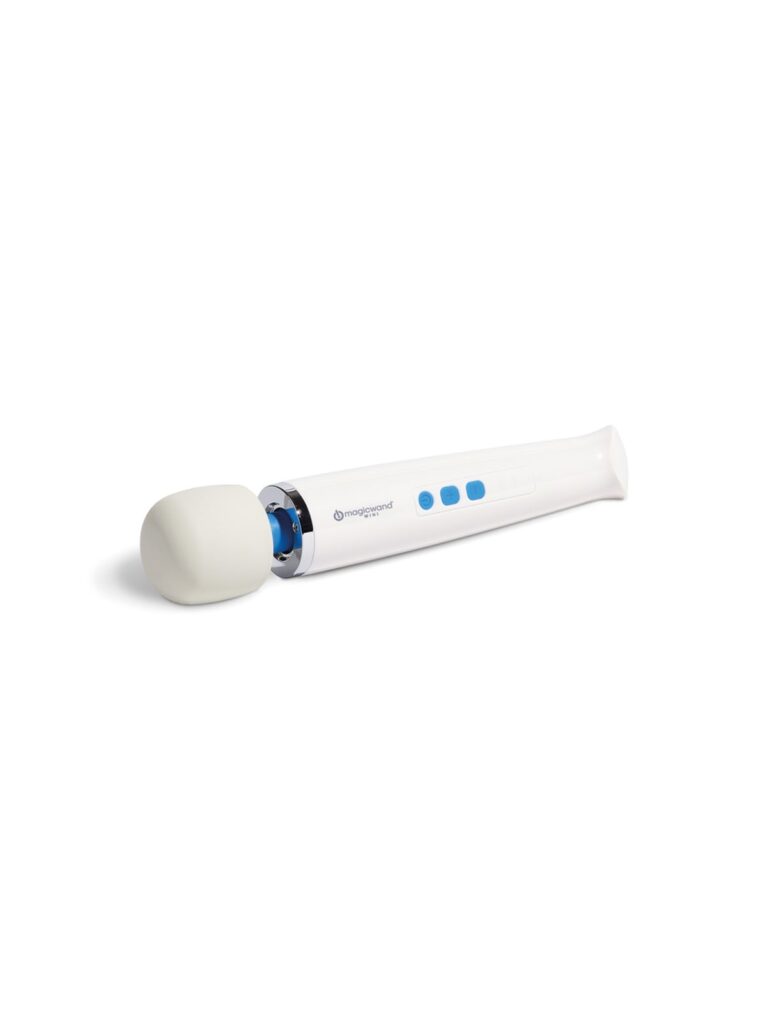
- Magic Wand Mini — the classic rumbly formula in a smaller frame, broad and forgiving for first-time wand users.
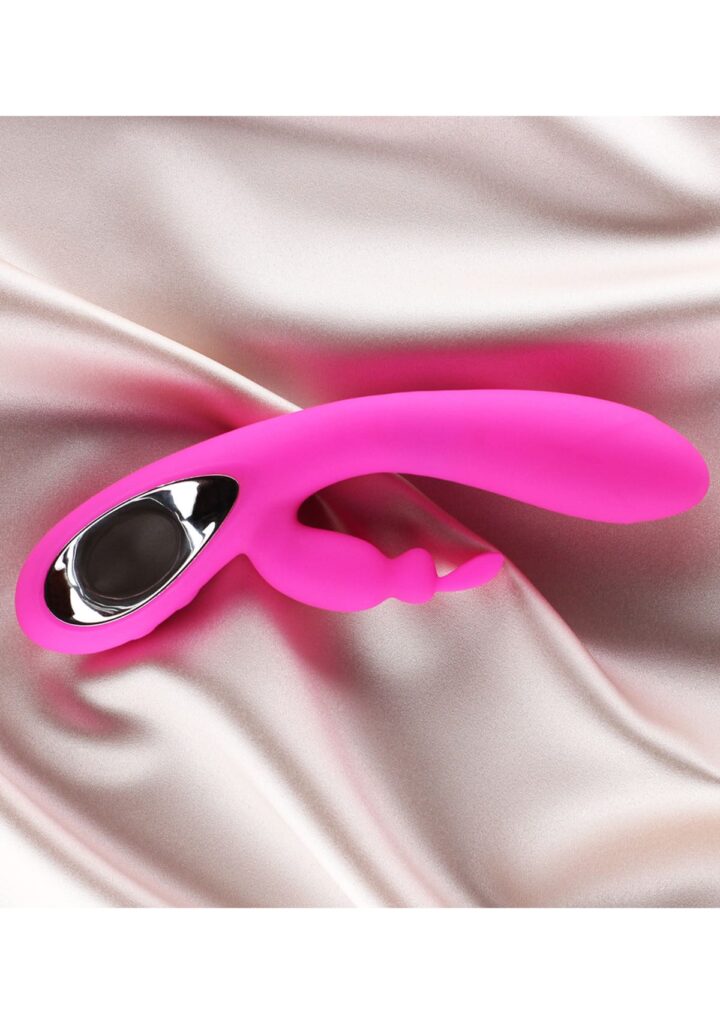
- Ella Rabbit Vibrator — dual stimulation in one device, built for blended orgasms during solo or partnered play.
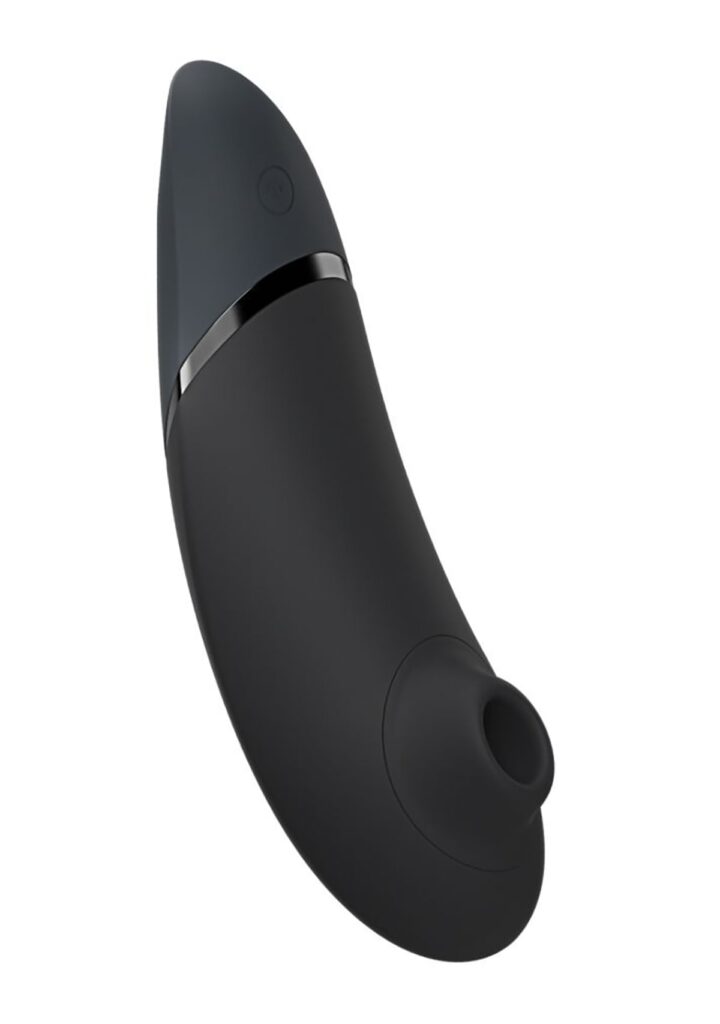
- Womanizer Next Clitoral Stimulator — the premium air-pulse option, with multiple intensity levels and a large head for varied anatomies.
- Reignite Sensation Arousal Gel — a sensitivity head start for the warm-up phase, applied a few minutes before play.
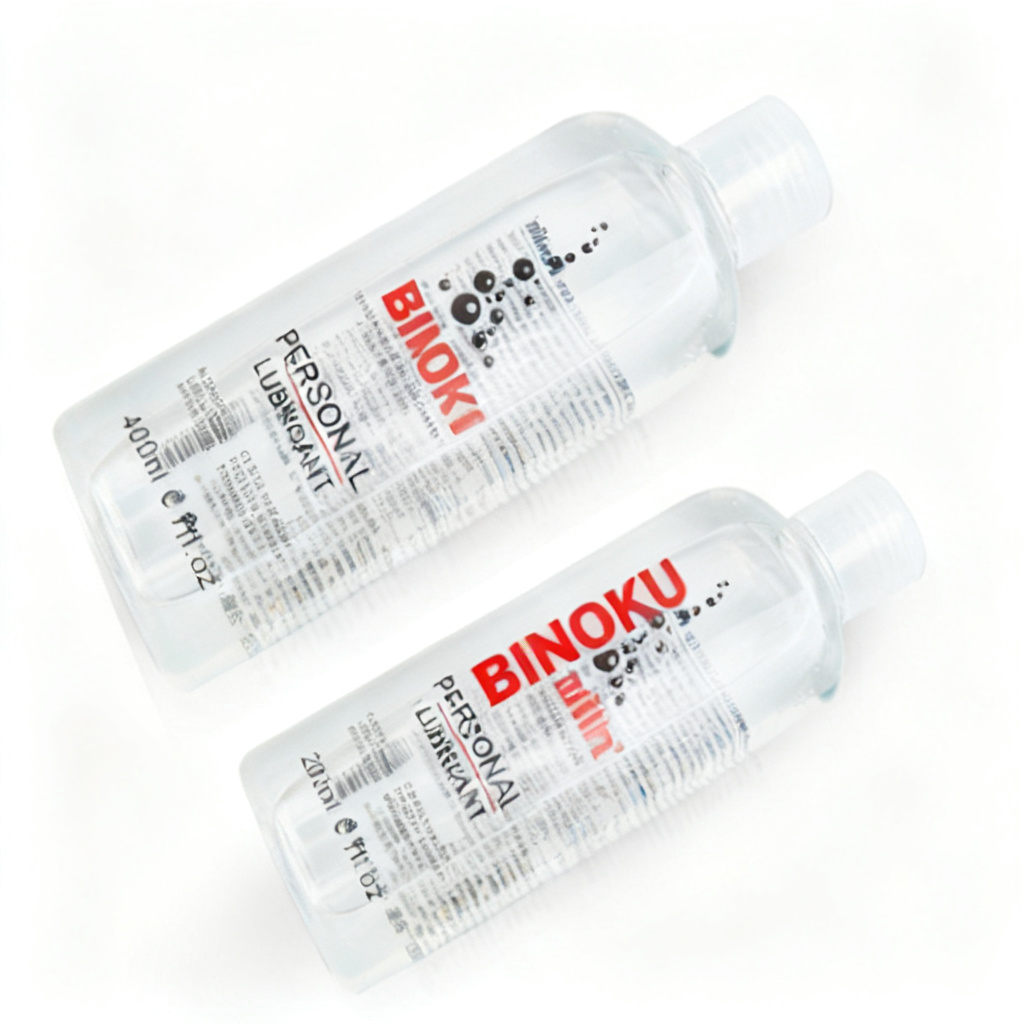
- Kailin Silk Water-Based Lubricant 400ml — the friction remover that makes every other pick feel better, and the largest bottle in the lineup.
FAQ
Is the orgasm gap biological?
No. The gap tracks the type of stimulation received, not the body receiving it. When external stimulation is consistent — as it is for most lesbian couples — orgasm rates rise to near-male levels, which rules out any simple biological ceiling.
What if a vibrator makes me numb instead of helping?
Numbness usually means a high-frequency (buzzy) motor. Switch to a rumbly model or an air-pulse toy, lower the intensity, and give sensation a few minutes to return between sessions.
Do I need to know how to orgasm alone before using toys with a partner?
Not as a requirement — but solo practice is the fastest teacher, and it removes performance pressure. Many people close their own gap simply by learning their pattern alone and then sharing it.
Won’t a toy make my partner feel unnecessary?
The research suggests the opposite in practice: couples who use toys together report higher sexual satisfaction, and the toy works as shared equipment rather than a replacement. The conversation scripts above are designed to land that point gently.
How long should sessions last for the gap to close?
There is no universal number, but research on arousal makes one thing clear: the partner who needs external stimulation usually benefits from a longer warm-up. Planning for unhurried time removes the main obstacle.
Ready to explore?
The gap closes with information, communication and the right tools — and the tools are the easiest part. Shop our vibrators and lubricants, and let the research do the talking.