How to Use Sex Toys During Sex: A Couple’s Guide to Hands-Free Pleasure
Sex toys used to be a solo category, but the fastest-growing segment of the market now sits squarely in the couple’s bedroom. Wearable vibrators, vibrating rings and app-controlled eggs are designed to be used by two people at once — worn during sex, shared in turns, or controlled across a room or an ocean. The reason for the boom is equally practical: penetration alone brings orgasms to only a minority of women, and a toy that stays in place during sex supplies the missing stimulation without stopping anything. This guide covers the four formats that work during partnered sex, how to use each one, the conversations worth having first, and the safety rules that keep shared play comfortable.
Only got time for a quickie?

- More than half of people who own toys use them with a steady partner, and couples who do report higher relationship satisfaction (Hald, Pavan & Øverup, 2025).
- Only about 18% of women orgasm from penetration alone — which is exactly why toys designed to be worn during sex took off.
- The four formats: vibrating rings, wearable dual-stimulation vibrators, remote/app-controlled wearables, and handhelds used during penetration.
- Fit beats features: a wearable that slips or presses wrong is worse than a handheld that stays put.
- 20–30 minutes is the sensible maximum for cock ring wear; numbness or cold means remove it immediately.
- Water-based lube, a stop signal for remote play, and the receiver holding the controls first — three rules that keep shared play safe.
Why couples use toys together

A 2025 study of 11,944 adults across six European countries, published in the Journal of Sex Research (Hald, Pavan & Øverup), found that a majority of toy owners — more than 55% — use their toys with a steady partner, and that couples who play with toys together score higher on relationship satisfaction. The behavior is older than the trend: in a national US survey (Herbenick et al., 2009), 40.9% of women who owned a vibrator had used it during partnered sex, and a companion study (Reece et al., 2009) found roughly 45% of men had used a vibrator, most often during foreplay with a partner.
So the category is not an invention of the app era — apps just made the sharing part easier. The underlying motives stay the same: closing the orgasm gap during penetration, adding novelty to a routine, and turning control itself into a shared game.
1. The vibrating ring — the simplest shared upgrade
A silicone ring with a small motor, worn at the base of the shaft with the motor positioned at the top, is the lowest-stakes introduction to shared toys. During penetration the motor contacts the clitoris on each stroke, which converts the most common gap in partnered sex into consistent stimulation. A little water-based lube inside the ring makes it easier to put on; the motor goes at the 12-o’clock position. Missionary, modified missionary and woman-on-top all keep the contact; positions with the bodies pulled apart usually lose it.
Two cautions are worth treating as rules. Rings should come off after 20–30 minutes — longer wear risks numbness, and numbness is a signal to stop immediately. And a ring is not an endurance device to push through discomfort with: if it feels cold, tingly or wrong, that is the end of the session for the ring.
2. Wearable dual-stimulation vibrators
The C-shape wearable — one arm inserted, one arm resting on the clitoris, connected by a flexible bridge — is the category purpose-built for penetration. The inserted arm presses toward the front wall while the external arm holds contact, and the penetrating partner’s shaft slides alongside the bridge. Both partners feel the vibration. As Lisa Finn, a sex educator at Babeland, points out, the design’s promise is hands-free stimulation during sex — and its learning curve is fit: anatomy varies, and the first session should be solo or slow, with lube, so the wearer can find the angle that stays put.
Look for dual motors (one per arm — single-motor designs feel noticeably weaker), a flexible silicone bridge, and app or remote control so settings can change without repositioning. If the toy slips, presses, or blocks penetration, the honest answer is to switch to a handheld rather than force the fit.
3. Remote and app-controlled toys — the shared-control game

A wearable egg or panty vibrator controlled by a partner’s phone or remote turns control into the point of the exercise. The receiver wears it; the partner drives intensity and patterns — from the next room, the next table, or the next continent with app-connected models. The anticipation is half the sensation: not knowing when the next pulse arrives is a dynamic no solo toy produces.
Rules make the game safe. Agree on a stop signal — a word or gesture — before the toy goes on, because the wearer cannot always reach the controls. Let the receiver set the intensity ceiling first. And for app-connected toys, check the app’s data policy before pairing: privacy is part of consent, not a footnote to it. Annabelle Knight, sex and relationships expert at Lovehoney, frames remote play as a communication exercise: the person handing over the remote is also handing over a description of what they like.
4. Handhelds during penetration
The most adaptable shared toy is still the one someone holds. A bullet or a small wand pressed against the clitoris during missionary — or held by the partner on top — works with every body and every position, with no fit to troubleshoot. The receiver’s favorite settings are already known from solo use, and the partner’s job is simple: hold steady, follow feedback, and treat “don’t move” as information, not criticism.
For positions where space is tight, a compact wand or a lipstick-sized bullet is the better choice than anything with a long handle. The rule of thumb across all handheld play: the person receiving the stimulation controls the settings until both partners know the toy well.
5. The conversation that comes first
A toy introduced without a conversation can land as a comment on performance; the same toy introduced with a sentence becomes a shared project. Three openings that consistently work:
- “I’m not suggesting this because anything is missing — I’m curious whether we could try something that gives us another way to play. We can stop at any point.”
- “What if we picked one thing together and treated the first session as a test run, not a performance?”
- “Would you be open to looking at options together? We can set a budget and each veto whatever we want.”
The 2025 study’s finding matters here: couples who use toys together report higher satisfaction — and the shopping conversation itself is part of that, because it requires the kind of honesty about pleasure that most relationships keep folded away. The first session should be framed as exploration with no required outcome; orgasm is not the grading rubric.
Gear — and what to look out for
The shared shelf has four formats, each with its own checkpoints:
- Vibrating rings. Look for body-safe silicone, a stretch that is snug without pinching, and a motor placed to contact the clitoris, not the wearer’s hip.
- Wearable C-shaped vibrators. Look for dual motors, a flexible bridge, and independent control of the internal and external arms.
- Remote and app wearables. Look for a remote with a physical fallback (not app-only), a strong battery, and a quiet motor if discretion matters.
- Handhelds. Look for rumbly motors over buzzy ones, and a size that fits between two bodies.
| Format | Best for | Learning curve | Watch out for |
|---|---|---|---|
| Vibrating ring | First shared toy, clitoral contact during sex | Low — one button, one position | 20–30 minute wear limit; numbness means stop |
| Wearable C-shape | Hands-free dual stimulation during penetration | Medium — fit takes a session or two | Fit varies by anatomy; don’t force it |
| Remote / app wearable | Shared control, anticipation, distance | Low physically, medium technically | Agree on a stop signal; check app privacy |
| Handheld | Any position, any body, known solo settings | Lowest — no fit to troubleshoot | One partner holds it; communicate placement |
The look-out that covers all four: silicone toys pair with water-based lube only, and any toy shared between bodies should be cleaned before changing users or openings.
The hotel-room secret
The city hums below the window, muffled by the glass, and the room has that particular hush of a place that belongs to no one. Somewhere in a coat pocket a small device waits through dinner, and the knowledge of it moves between two people across the table — a private weather system under a restaurant’s low light. Later, with the curtains open and the skyline indifferent, the secret is finally spent. Two people laugh about how close the waiter came. The night, having kept its word, keeps the rest.
Our picks
Six shared-play tools from the BINOKU catalog, ordered from the simplest introduction to the most ambitious.
Our Picks
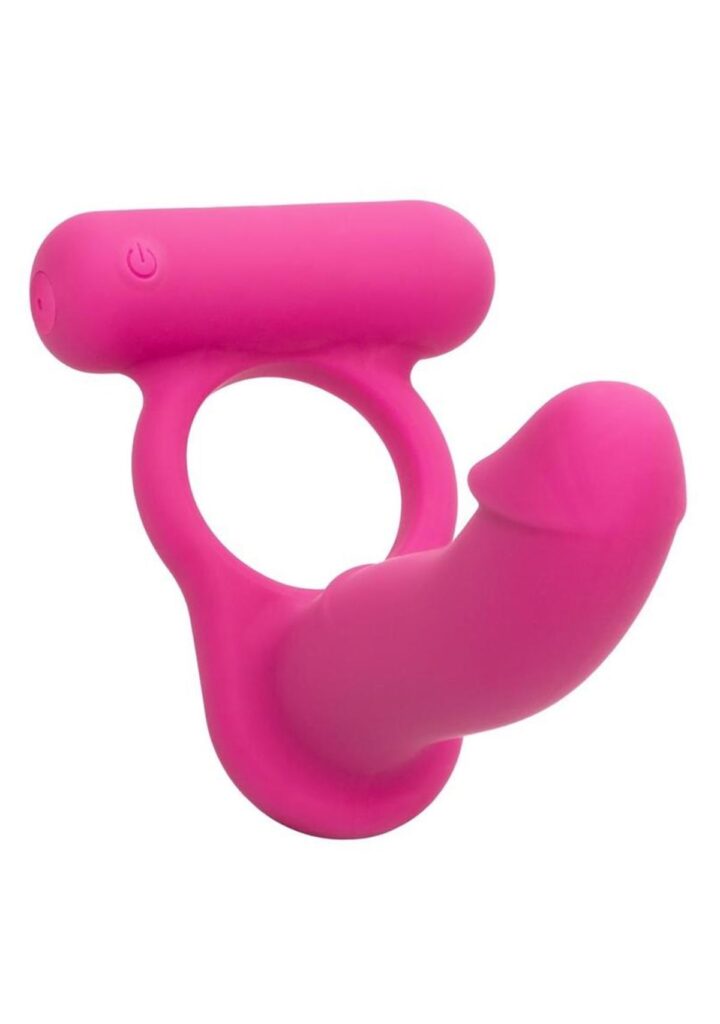


- Double Diver Couples Ring — the classic shared starter: a couples ring with vibration for both partners, at a price that makes trying it easy.
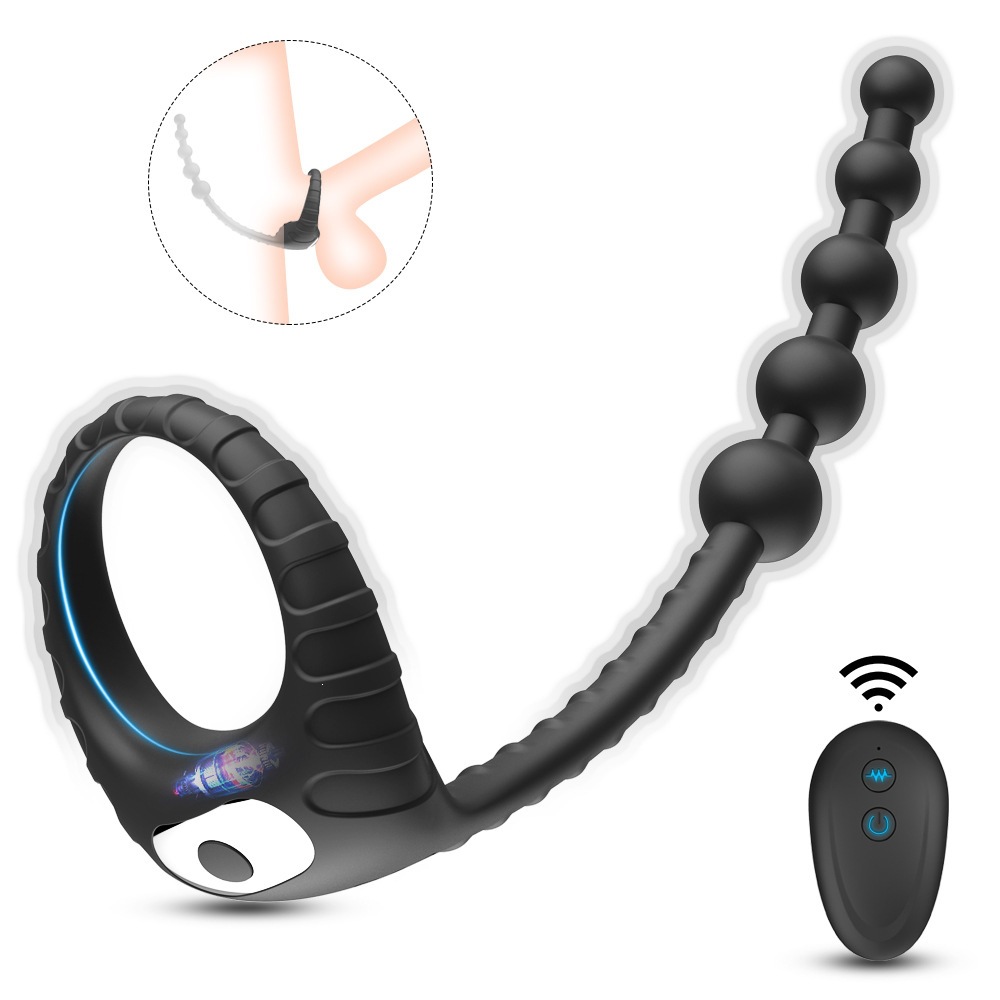
- Remote Vibrating Couples Ring & Bead Set — a ring plus beads with a remote, for couples who want the control game without a phone.
- App-Controlled Wearable Dual Stimulation Vibe — the hands-free C-shape design for penetration, with dual arms and app control.
- Twisting Wearable Butterfly C-Clip Vibe — a wearable with a flexible C-clip, built to hold contact through movement.
- Para Wearable App-Controlled Egg Vibe — a wearable egg for remote and app play, quiet enough for the dinner-table version of the game.
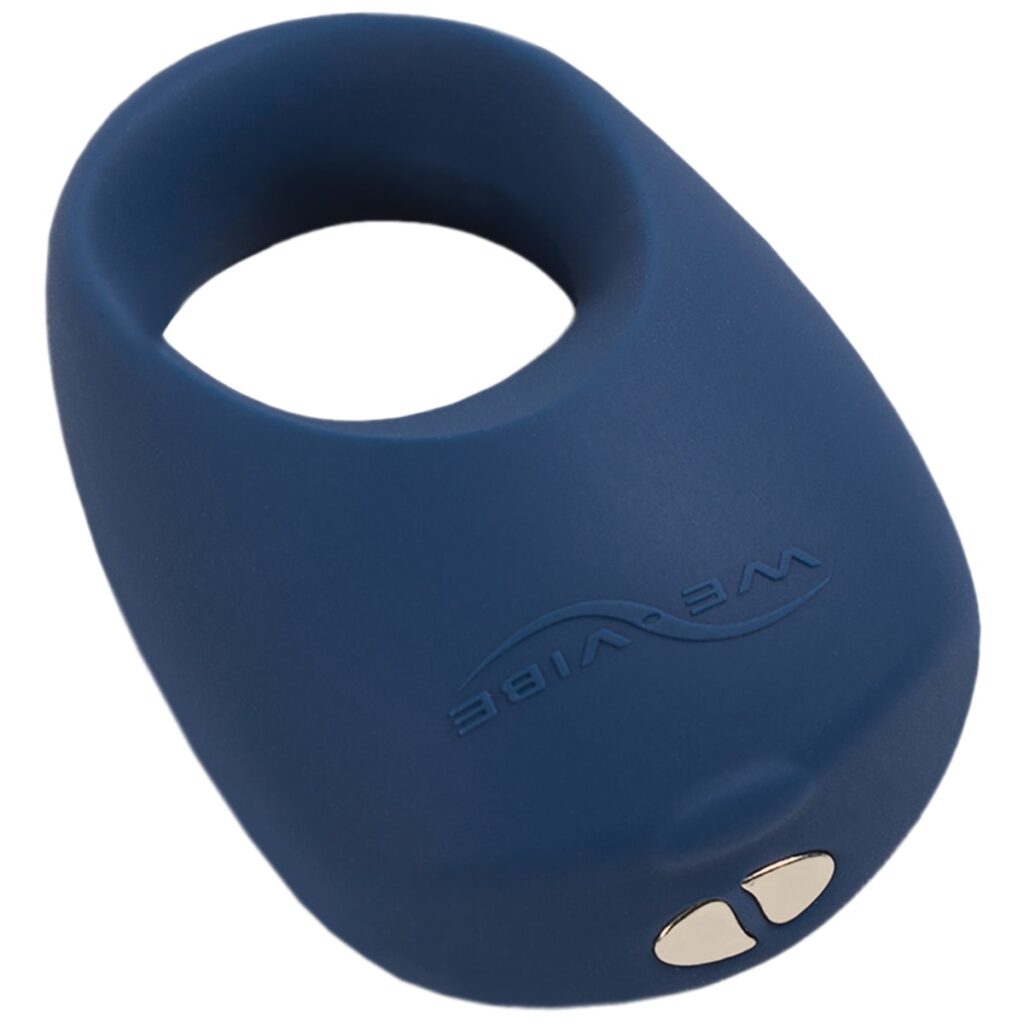
- Pivot Vibrating Penis Ring by We-Vibe — the premium ring category standard, with app control and a shaped motor for consistent clitoral contact.
FAQ
Which shared toy should a couple buy first?
A vibrating ring. It is the cheapest, simplest format, requires no app and no fit-tuning, and works with any couple where one partner has a penis. If the ring works for both partners, the wearable and remote categories become natural next steps.
Will a wearable C-shape fit us?
Fit varies by anatomy and position — that is the category’s honest caveat. The first trial should be solo or slow, with lube, so the wearer can find the angle that stays put. If it presses or slips after a couple of honest attempts, a handheld is the better tool.
How long can a cock ring stay on?
Around 20–30 minutes is the sensible maximum. Numbness, cold, tingling or discoloration means remove it immediately — those are stop signals, not endurance milestones.
Does a remote-controlled toy need a safe word?
Yes — or at least a stop gesture, agreed before the toy goes on. The wearer cannot always reach the controls, and the person holding the remote cannot always see the wearer’s face.
What if one partner feels awkward about the idea?
Frame the first session as a test run with no required outcome, pick the toy together, and let the receiving partner hold the controls first. The research on couples who use toys together points to higher satisfaction — but only when both partners are genuinely on board.
Ready to explore?
Shared play starts with one toy and one conversation. Shop our couples collection and cock rings, and pick the first one together.