Role-Play for Beginners: Fantasies, Scenarios, and How to Start
Every couple has two people in the room — and, from time to time, a shared wish that someone new would walk in. Role-play is the oldest shortcut to that feeling: a temporary agreement to become strangers at a bar, guests at a hotel, or characters from a scene only the two of you know. It sounds theatrical, but in practice most people find it is less about acting and more about permission — permission to be more direct, more playful, or more confident than an ordinary Tuesday allows.
In his landmark survey of more than four thousand Americans, social psychologist Justin Lehmiller found that 97 percent of people report having sexual fantasies, with role and power-exchange scenarios among the most common themes. The distance between fantasizing and trying it, this guide argues, is shorter than it looks.
In this guide:
Only got time for a quickie?
- Role-play is ordinary. Nearly everyone fantasizes, and stepping into a character is one of the most common fantasies people share.
- Start with the conversation, not the costume. Most hesitation dissolves once the idea is on the table without pressure.
- Costumes are optional. One accessory, a different room, or a change of lighting can carry an entire scene.
- Choose a scenario you will both find fun. This is play, not performance — the goal is to enjoy it, not to nail it.
- Agree on a safe word even for lighthearted scenes, so stopping is always instant and easy.
- Expect laughter. First attempts are imperfect by design, and that is part of the point.
Why people role-play

People’s reasons vary. For some, it is novelty: a widely cited study published through the Society for Personality and Social Psychology found that couples who take on new and exciting experiences together report more relationship growth and security afterward. For others, it is the stranger effect — seeing a long-known partner through fresh eyes, with all the courtship attention that returns when you have to win them over again. And for many, it is the safest way to hold a power wish: inside a fictional frame, taking control or giving it up is clearly temporary and consensual. Sex educators often describe scenes as toppings on the ice cream of a relationship — a vivid layer on top of a familiar base, not a replacement for it.
Start with the conversation
Most scenes begin days before they happen, in ordinary conversation. Timing matters: the talk tends to go better outside the bedroom and outside the heat of the moment, where neither person feels pressure to answer instantly. A simple opener is enough:
“I read something interesting — would you be open to trying a little role-play together? No pressure if it’s not your thing.”
Then trade ideas the way people read a menu — out loud, without committing to a single dish. Each partner names what sounds fun and what is firmly off the table. That second list is not a buzzkill; it is the scaffolding that lets everything else feel safe enough to play with. If one of you hesitates, the answer can be “let’s just talk about it more” — and talking about it, quite often, turns out to be the best part.
Five scenarios to try first
1. The strangers at the bar
Meet at a bar you know well, under different names, as if for the first time. The script writes itself: the approach, the first drink, the walk home. All it takes is dressing like someone going out to be noticed.
2. The hotel check-in
Book a room in your own city and arrive separately. One of you checks in; the other receives a room number by message. Everything that happens between the lobby and the door belongs to the scene.
3. The masquerade
Masks, low light, and cocktail attire. This is the shy beginner’s favorite, because the mask does the acting — and taking it off, slowly, becomes its own moment.
4. The fitting room
One of you plays the attentive shopper, the other the assistant. Lingerie gets modeled instead of folded, and the best pieces are the ones that never make it back onto the hanger.
5. The midnight massage
Appointment energy, in your own bedroom. A strict “no work talk” rule, warm oil or a massage candle, and an hour that is booked — formally — in advance.
Costume and dress-up basics

A full costume is lovely; a single well-chosen detail is usually enough. A garter belt, a pair of stockings, a dress that never sees daylight, a lipstick in a shade you never wear — each one does the same work: it tells the brain the ordinary person is off duty. When lingerie is the costume, fit does the heavy lifting, so a quick pass through the lingerie fit guide pays off. And because costumes are washed far less often than they are worn, give anything that touches skin a wash between scenes.
Blindfolds, cuffs and light props
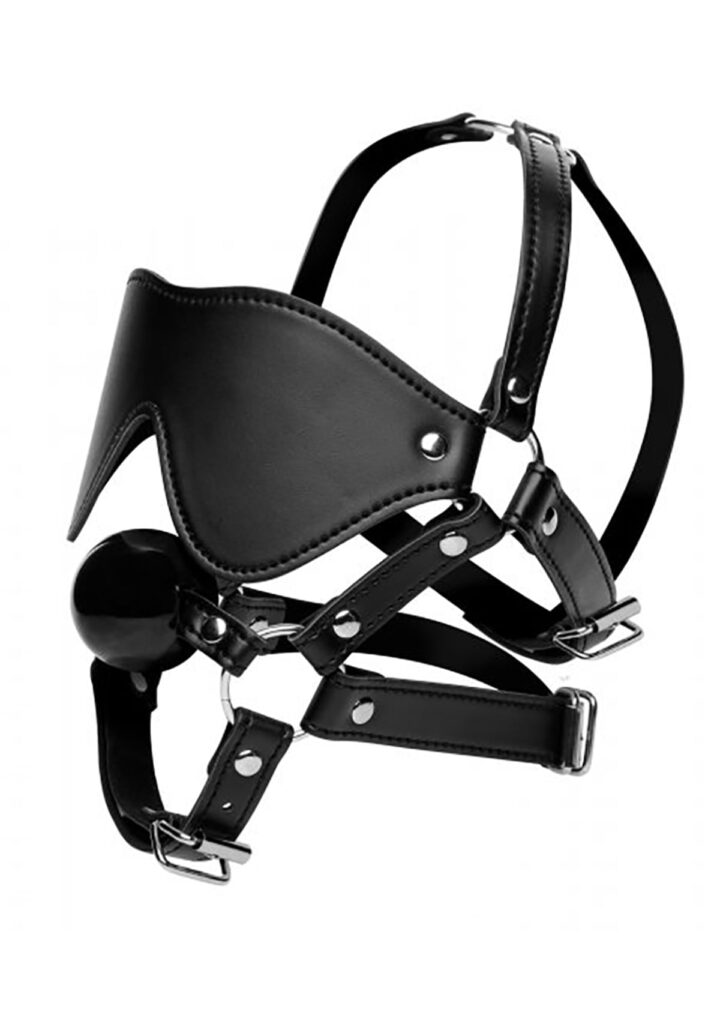
Two props carry more scene weight than any others. A blindfold is the great sensory amplifier — without sight, every whisper and touch lands louder, and the person wearing it is instantly “elsewhere.” Cuffs make the power in a scene visible: someone is in charge, someone is beautifully not. Choose quick-release cuffs, never improvised tape or household ties, and keep a pair of safety scissors nearby if restraint is part of the plan. A gag removes speech, which means a non-verbal stop signal — two taps on the wrist, a dropped ball, a bell in hand — is agreed before anything else happens. Kink communities frame all of this with two acronyms worth knowing: SSC (safe, sane and consensual) and RACK (risk-aware consensual kink), the more modern standard that asks everyone to understand the risks they accept. Hard limits (never) and soft limits (maybe, gently) are named in advance, and a squick — a personal turn-off with no moral weight — is respected the moment it appears. When the scene ends, aftercare begins: water, a blanket, a slow debrief, and the reassurance that the characters have left the building. Our BDSM for beginners guide goes deeper on all of it.
The scene, step by step
- Agree the frame. Who is who, where the scene is set, and a soft end time — an hour is plenty for a first attempt.
- Set the stage. Lighting, one playlist, phones in another room. The scene needs a boundary in the real world too.
- Agree the safe word before anything else. The traffic-light system — green for yes, yellow for slow down, red for stop now — works even mid-dialogue and costs nothing.
- Enter with one line. “Haven’t I seen you here before?” is enough. The character does not need an accent or a backstory; one sentence and the scene has begun.
- Check in as you go. “How does that feel?” works inside character and out. A real answer, given seriously, keeps the play safe without breaking the spell.
- Land softly. Aftercare is the last step of every scene: debrief, laugh, water, and the slow return to being yourselves — who are, after all, the best people in the room.
When to pause
Sometimes a scene simply ends early, and that is fine. If someone goes quiet, looks far away, or laughs in a way that sounds wrong, the check-in stops being playful and becomes real. Themes that touch past hurt stay off the table unless both people have explicitly and soberly agreed to them. Calling red — or calling the whole thing off — is not a failed scene; it is the mechanism that makes the next one possible, because it proves the stop button actually works. Trust is what makes pretending safe, and nothing builds trust faster than a promise kept.
Our picks for the dressing-up drawer
Everything below earns its place in a beginner’s first scene — approachable, evocative, and a little easier to put on than courage.
Our Picks



- AniME and U School Girl Costume Set — a complete costume in one box, for the classic first scenario that needs no explanation.
- Fetish Bondage Open Cup Babydoll Dress — dress-up and edge in a single garment; the fitting-room scene’s natural costume.
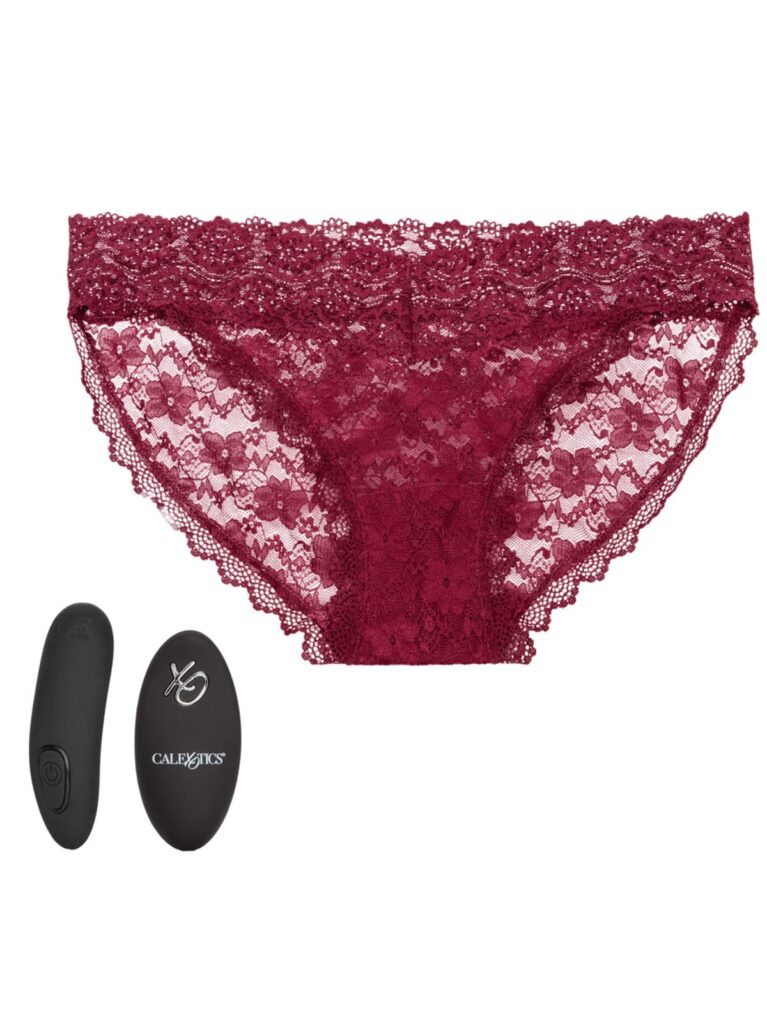
- Remote Control Vibrating Lace Panty Set — the secret hand-off: a wearable secret with a remote that changes hands mid-date.
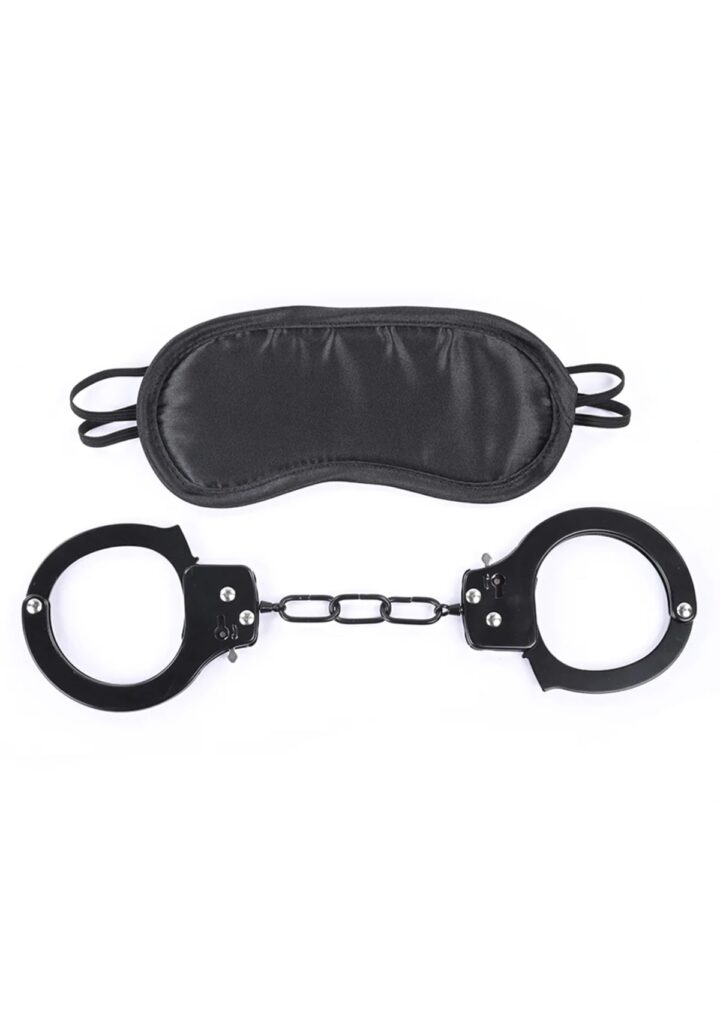
- Shadow Cuff Kit — soft-start restraints at a gentle price; the lowest-cost doorway into power-swap play.
- Strict Blindfold Harness and Ball Gag — sensory and power in one; remember the non-verbal signal before the gag goes on.
- Peony Petal Low-Temp Massage Candle — the set designer: warm, low-glow light that melts into massage oil for the midnight appointment.
The check-in desk
The check-in desk. A hotel in your own city, booked on a whim, where the clerk knows neither name. The key card is heavier than it looks. Upstairs, the lights stay low and amber, the city hums faintly outside, and two people meet for the first time with all the time in the world.
FAQ
Is role-play normal? Entirely. In a survey of 4,175 Americans, 97 percent reported sexual fantasies, and character and power scenarios are among the most common. Wanting to try one is about as ordinary as desire gets.
What if we laugh and it feels silly? Laughter is part of the deal — it releases exactly the tension a scene is supposed to release. The standard advice is to laugh together, stay in character, and let the silliness become part of the story.
Do we need costumes? No. One accessory — a blindfold, a lipstick, a pair of stockings — is enough to mark the shift from real life to scene. Props help; they are never the requirement.
Is role-play the same as BDSM? They overlap but are not the same. Many scenes are pure costume and banter with no power exchange at all; when a scene does include restraint or dominance, the safety tools are the same — safe words, limits and aftercare.
How do we stop mid-scene? Say the safe word — or just stop. Then comes aftercare: water, warmth, and an unhurried conversation about what worked. Ending early is normal, especially at the beginning.
Ready to explore?
Shop the Lingerie collection for costumes and details, and the BDSM & Kink collection for props. Prefer to warm up to the idea first? Our guide to talking to your partner about toys is a gentle place to start.