Mutual Masturbation: A Couple’s Guide to Shared Solo Play
There is a moment that surprises many couples — the first time they stop performing for each other and simply show each other. Mutual masturbation, self-pleasure in each other’s company with or without touch, sounds modest on paper and turns out, for most people who try it, to be among the most intimate things two people can do together. It removes the choreography and leaves the honest part: how someone’s breath changes, where their hands go, what they like when nobody is guessing. For most couples it starts with nerves and a low light — and it rarely stays a one-time experiment.
In this guide:
- What Mutual Masturbation Is
- Why Couples Do It
- How to Bring It Up
- Setting the Scene
- Positions and Setups
- Guiding Each Other Without Words Getting in the Way
- Toys for Shared Solo Play
- On Timing: Same Time, Turn-Taking, and Edging
- Long-Distance Shared Solo Play
- First-Time Nerves
- Our Picks for Shared Solo Play
- FAQ
Only Got Time for a Quickie?
- Mutual masturbation is self-pleasure in each other’s company — it’s not a downgrade from intercourse, and many couples describe it as more intimate, not less.
- The biggest practical benefit: you finally see, not just hear, what actually works for your partner.
- Lube, towels, and dim light solve about 90% of first-time awkwardness.
- Toys belong here — couples’ rings, wands, and strokers were practically designed for shared solo play.
- There’s no rule about finishing together; taking turns and watching is the whole activity.
- Long-distance couples can do it over video with app-controlled toys.
Why Do People Do It?

Sex therapists recommend mutual masturbation for one reason above all: it is the fastest way for two people to teach each other their bodies. Written descriptions and verbal hints lose most of the information; watching someone’s exact rhythm, pressure, and pace transfers all of it at once. It also quietly addresses the orgasm gap — research has consistently found that most women do not reach orgasm from penetration alone, and shared solo play is where a partner learns what does work, from the person who knows best.
Then there’s the intimacy of being watched without performing. A partner who can simply look — no pressure to act, no choreography — sees something usually kept private, and being allowed to look feels like being trusted. For long-term couples it resets stale routines; for new couples it replaces guessing with observation. People’s reasons vary, but the common thread is simple: it is honesty, in bed.
What Mutual Masturbation Is
At its core, mutual masturbation is two people pleasuring themselves in each other’s presence. The variations are broad: side by side without touching, facing each other, one partner touching the other lightly while both continue, or the two taking turns while one watches. Some couples keep it entirely hands-off — that’s still mutual masturbation. The defining ingredient is shared presence and self-direction, not a particular position or finishing rule.
How to Bring It Up
The suggestion usually lands better outside the bedroom, in a relaxed moment — the same advice that applies to introducing toys. A low-pressure opening works best: “I read something about couples doing this together — would you be open to trying it?” or “I think it would be really hot to watch you, and for you to watch me.” Framing matters: it’s an addition, not a fix, and definitely not a verdict on anyone’s performance.
Setting the Scene

Most of the first-time awkwardness dissolves in the setup. Dim, warm light flatters everything and softens self-consciousness; cool light and bright screens do the opposite. Have lube and a towel within reach before anything starts — pausing to hunt for supplies is the classic mood-killer. A little background music gives hands something to move to and covers the silences. And the most important preparation is an agreement up front: nobody has to finish, and nothing has to happen at the same time. The activity is the point, not the ending.
Positions and Setups
- Side by side — the gentlest start; touching is possible but not required.
- Facing each other — maximum eye contact; more intense, more connective.
- One leaning back, one watching — a take-turns format that gives each partner a turn as audience.
- Against the headboard, legs toward each other — closeness without full face-to-face exposure.
- With a mirror — watching the reflection together feels like watching a film you’re both in.
- Across the room — distance turns up the anticipation and gives shy partners breathing room.
Guiding Each Other Without Words Getting in the Way
The highest-value move in mutual masturbation is a hand over a hand: your partner’s fingers over yours, learning the rhythm directly instead of trying to parse a description. Narration helps too, and it doesn’t need to be elaborate — “slower there,” “keep that” — said in a normal voice. One rule of thumb keeps it comfortable: before either partner joins in on the other’s body, ask. “Can I help with that?” sounds surprisingly good in the moment, and it keeps the self-directed part of the activity intact.
Toys for Shared Solo Play
Toys fit shared solo play naturally, because they let each person do what they already do alone — with an audience. The usual split: something broad for her, something textured for him, and something shared in the middle.
| Toy type | Who it’s for | Sensation | Look for |
|---|---|---|---|
| Couples’ vibrating ring | Both, worn by him | Shared vibration against both bodies | Stretchy fit, low price to start |
| Wand | Her — broad area | Deep, rumbly, full-coverage | Cordless, multiple speeds |
| Stroker | Him | Texture, suction, grip | Body-safe silicone |
| Remote or app toy | Either, controlled by the other | Hands-off surprise | Range and easy pairing |
One material rule applies to all of it: silicone toys pair only with water-based lube, and silicone plus silicone can drag — a drop of lube solves both.
On Timing: Same Time, Turn-Taking, and Edging
Some couples treat the synchronized finish as the goal; most find that insisting on it creates exactly the performance pressure the activity is supposed to remove. Turn-taking works beautifully: one partner goes first while the other watches and learns, then the roles switch. And shared solo play is a natural home for edging — slowing down at the edge, backing off, building again — because the audience can read every sign of it. If that idea appeals, there’s a full guide to edging worth reading.
Long-Distance Shared Solo Play
Distance couples have been doing this over phone and video for decades; app-controlled toys simply add a shared texture. The etiquette is mostly common sense: agree on the medium beforehand, keep screenshots and recordings off the table unless both say yes, and set the phone somewhere stable so both hands stay free. An app-controlled wearable or remote vibe lets one partner actually participate across time zones — more on that in the remote-controlled vibrators guide.
First-Time Nerves
Nearly everyone feels self-conscious the first time — that’s the normal part, not a sign the activity is wrong. The standard prescriptions: start clothed, keep the light low, and let laughter be part of it. Many couples find the second session easier than the first by a wide margin, once the novelty of being seen wears off and the pleasure of being watched takes over. If one partner wants to stop early, that’s fine — the agreement about no required finish covers that too.
The Hotel-Room Secret
The curtains are drawn against a city that never quite dims, and the bedside lamp is set to its lowest amber; two people sit against the headboard with the sheets pushed back, close enough that warmth travels between them without any touching at all. The only sounds are the air conditioning, a distant siren, and two sets of breathing slowly finding the same rhythm. In the morning, room service will knock, and neither of them will say a word about why they’re smiling.
Our Picks for Shared Solo Play
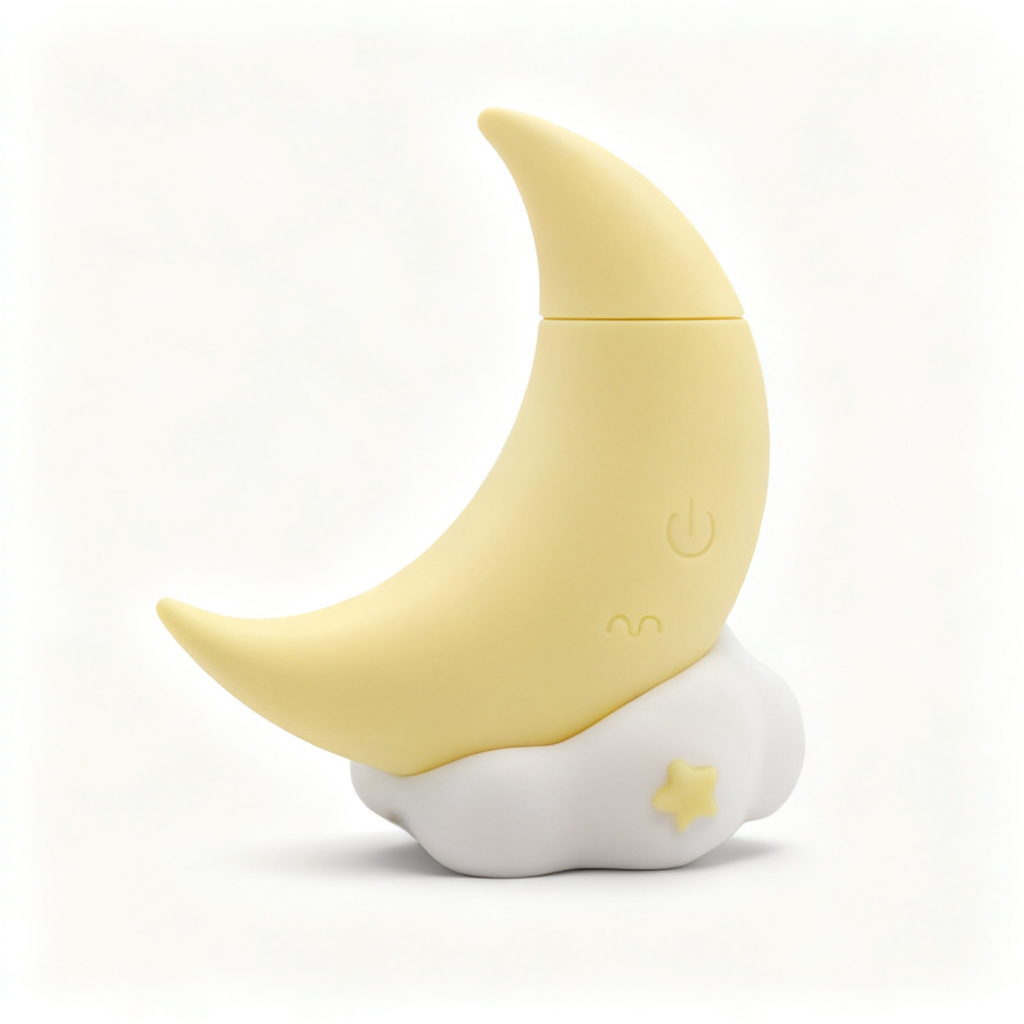
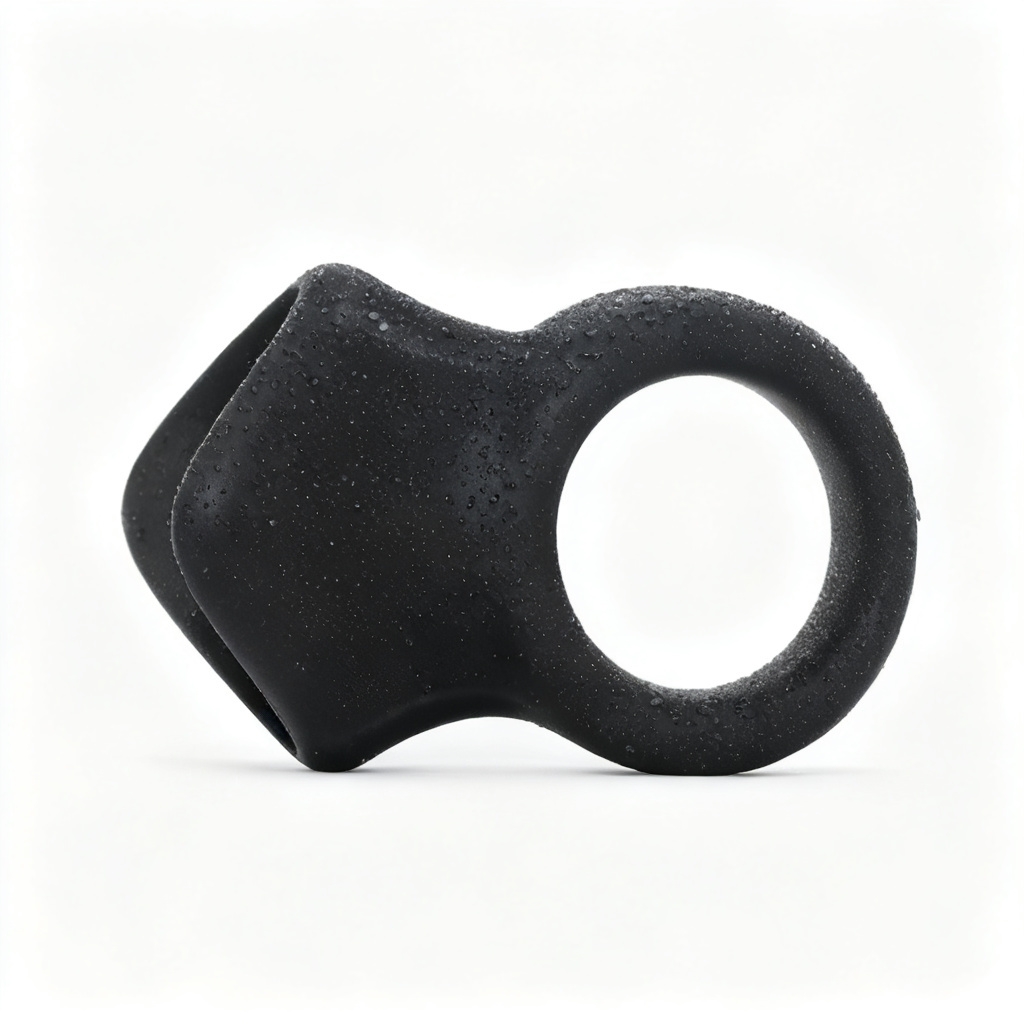
- Liquid Silicone Couples Vibe Ring — the lowest-stakes entry point to shared vibration there is; stretchy, simple, and under ten dollars.
- Double Diver Couples Ring — dual-band design keeps him firm and keeps her in contact with every stroke.
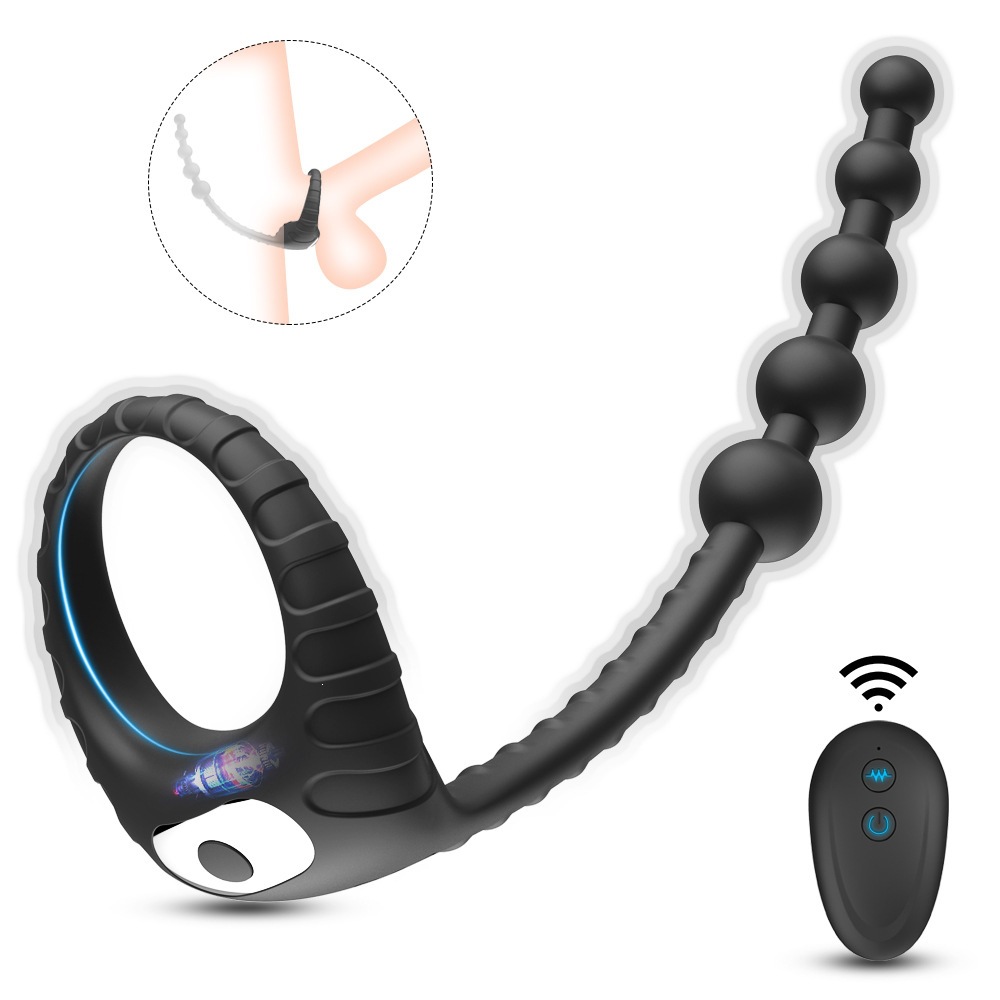
- Remote Vibrating Couples Ring & Bead Set — the remote sits in her hand, so the rhythm becomes a two-player game.
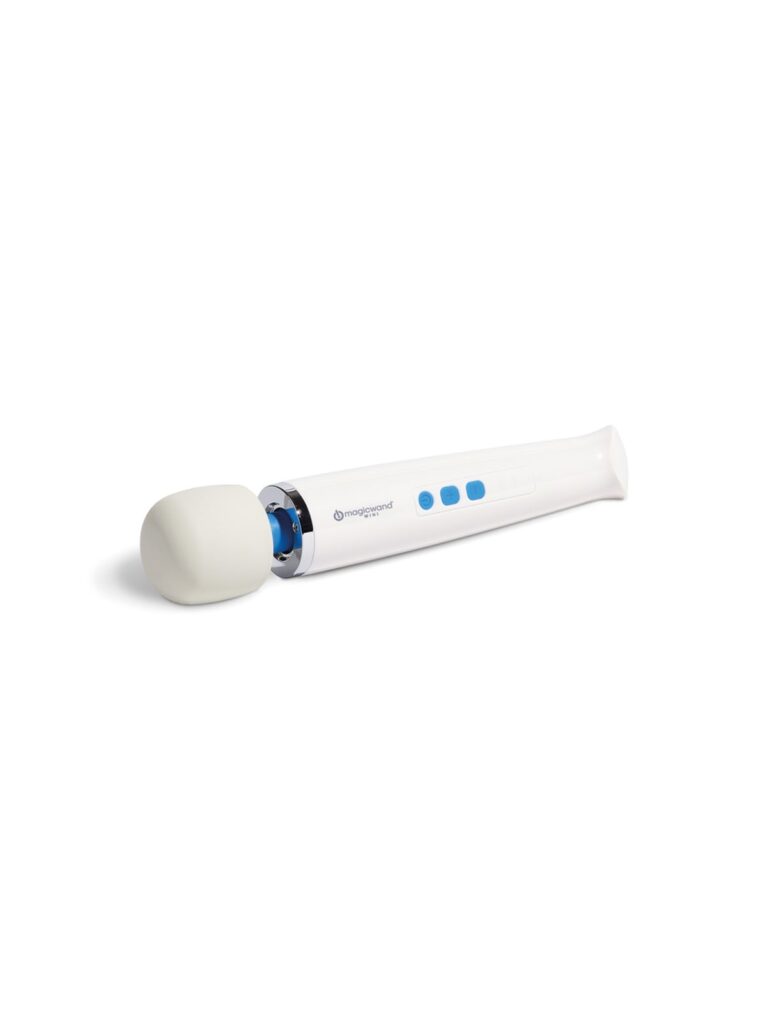
- Magic Wand Mini — a cordless wand with the broad, rumbly hum that works for her — and, held differently, for him too.
- Midnight Gilded Personal Stroker — his side of the equation, in sculpted silicone with an internal texture built for slow shows.
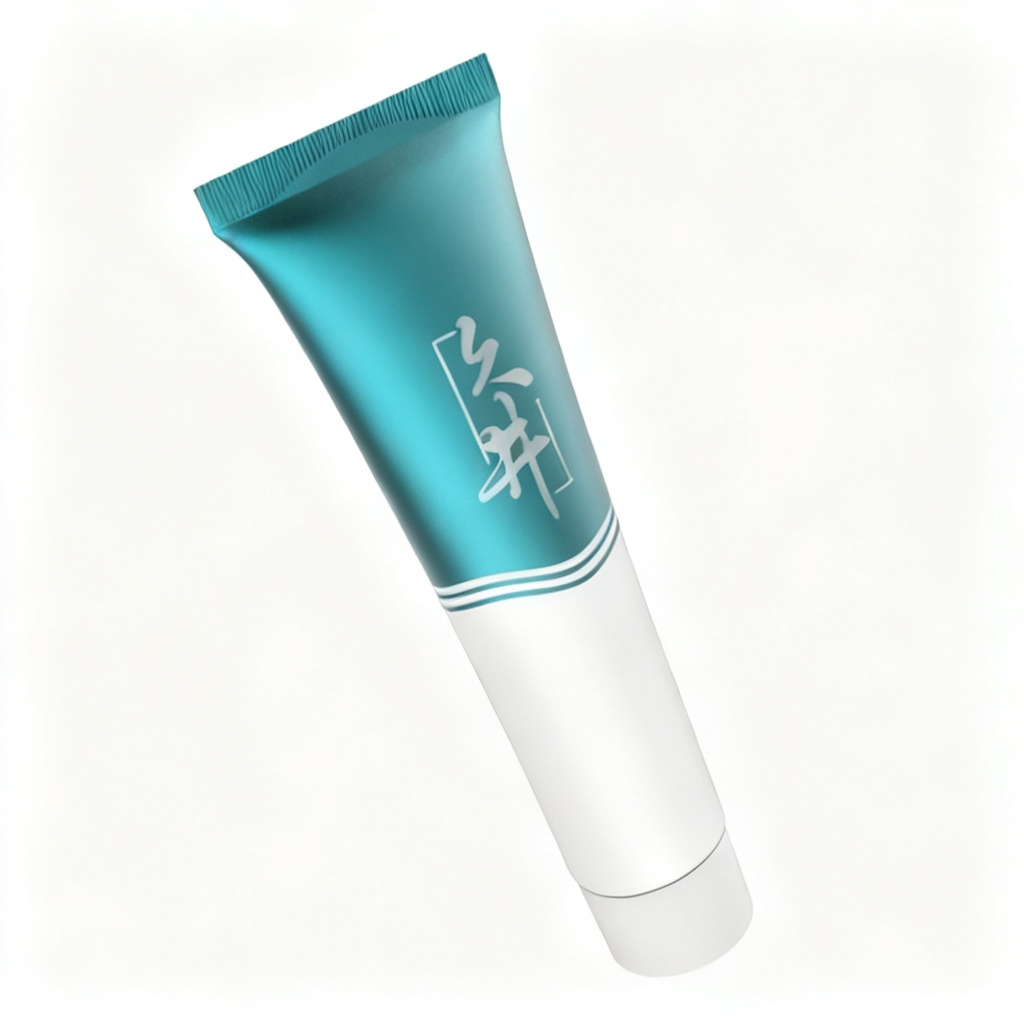
- Silk Glide Water-Based Lubricant — the shared essential; silicone-safe and needed by everyone at some point in the evening.
Our Picks


FAQ
Is mutual masturbation less intimate than sex?
Most people who try it report the opposite. It strips away performance and leaves observation and trust — watching a partner, and being watched, is intimacy in its purest form. Couples routinely describe it as a staple of their sex life rather than a substitute for anything.
What if I can’t orgasm with my partner watching?
That’s common at first, which is why the no-required-finish rule matters. When the goal is removed, the body usually relaxes — and most people find it easier the second time. Turn-taking also helps: some find it far easier to finish while being watched than while watching.
Should we use toys the first time?
Optional. Starting hands-only keeps it simple; adding a familiar solo toy makes it feel more like the practice runs each partner has already had. Either way, the toys can come out in round two — and there will usually be a round two.
How do we start if one of us feels shy?
Start clothed, with low light, side by side, and let hands wander gradually. Laughing together dissolves more tension than any technique. The shy partner often finds it easier to be the watcher first — watching requires less exposure than being watched.
Is it still mutual masturbation if we help each other?
Yes. The spectrum runs from strict hands-off to hands-on, and most couples land somewhere in the middle — self-directed for a while, then a hand over a hand, then helping each other finish. The shared presence is the point; the boundaries are yours to draw.
For deeper dives into the pieces involved, see our guides to solo play, using toys during partner sex, strokers, and cock rings.
Ready to explore? Shop our Couples collection.