

Solo play — masturbation, self-pleasure, call it what you like — is one of the most reliable paths to better sex, with yourself and with a partner. Yet it’s still wrapped in more shame than almost anything else. This guide is about cutting through that: the real benefits, how to do it well, and how the right tools and techniques make it better.
Only got time for a quickie?
- Masturbation is normal, healthy, and nearly universal. There’s nothing to be ashamed of.
- It teaches you what you like — which makes partnered sex better.
- There’s no “right” way — hands, toys, or both, whatever feels good.
- Lube and a body-safe toy are the two biggest upgrades you can make.
1. Why We Still Need to Say It’s Okay
Despite how common it is, masturbation still carries real stigma — especially for women, who are socialized to feel it’s either shameful or unnecessary. The reality: it’s a normal, healthy behavior practiced by the vast majority of people. It’s not a “replacement” for sex or a sign something’s missing — it’s its own valid form of sexuality.
2. The Actual Benefits
- You learn your body — what you like, where, and how much. This maps directly onto better partnered sex.
- Stress relief and better sleep — orgasm releases endorphins that relax you.
- No-pressure pleasure — there’s no performance anxiety when it’s just you.
- Health benefits — regular orgasm is linked to better mood, less tension, and even pelvic-floor health.
3. How to Actually Start (or Start Enjoying It More)
- Create the space — privacy, time, and comfort. Lock the door, dim the lights, turn off the phone.
- Warm up slowly — touch everywhere before going straight for the obvious spots. Build anticipation.
- Use lube — it’s not just for sex; it makes solo play smoother and more comfortable.
- Explore, don’t perform — there’s no finish line you have to reach. Follow what feels good.
4. Techniques Worth Trying
- Edging — bring yourself close, then back off. Repeat a few times before letting go. It builds intensity and teaches you your own rhythms.
- Breathwork — slow, deep breathing relaxes the pelvic floor and makes pleasure easier to access. Tension is the enemy of orgasm.
- Full-body approach — don’t rush to the genitals. Neck, chest, inner thighs — the whole body is fair game.
- Mindful attention — instead of chasing a finish line, notice what actually feels good in the moment. This is where the learning happens.
5. Choosing Your Tools
| Tool | What it does | Good first choice? |
|---|---|---|
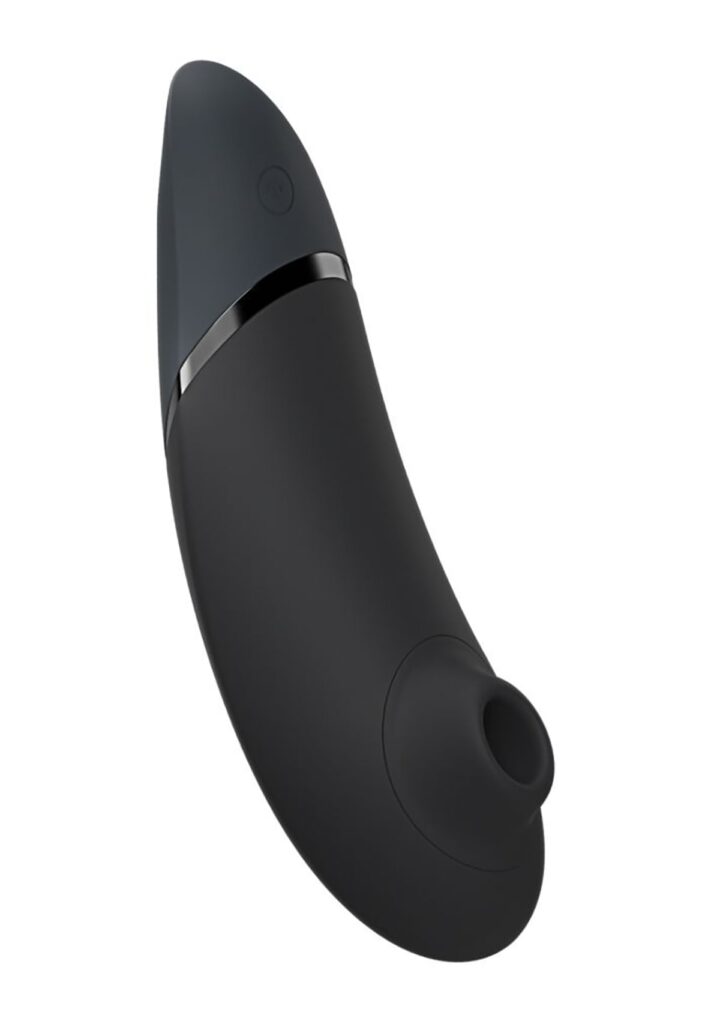
| Clitoral sucker | Air-pulse, oral-like sensation | Yes — many people’s favorite |
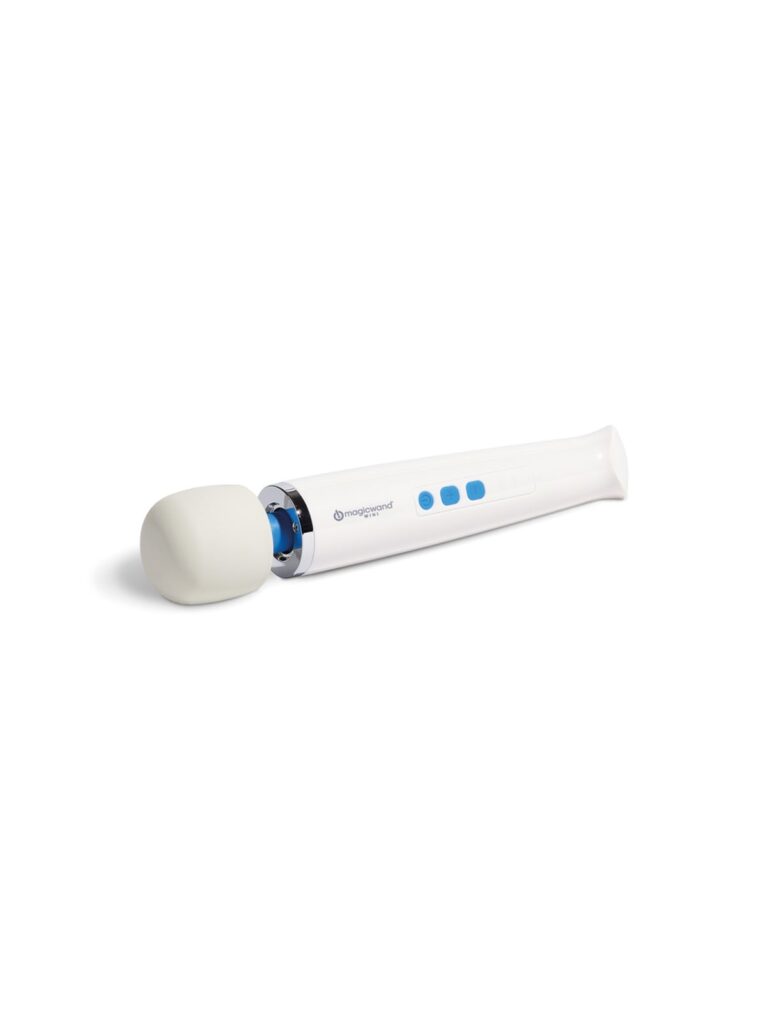
| Wand | Broad, deep, powerful | Yes, if you like power |
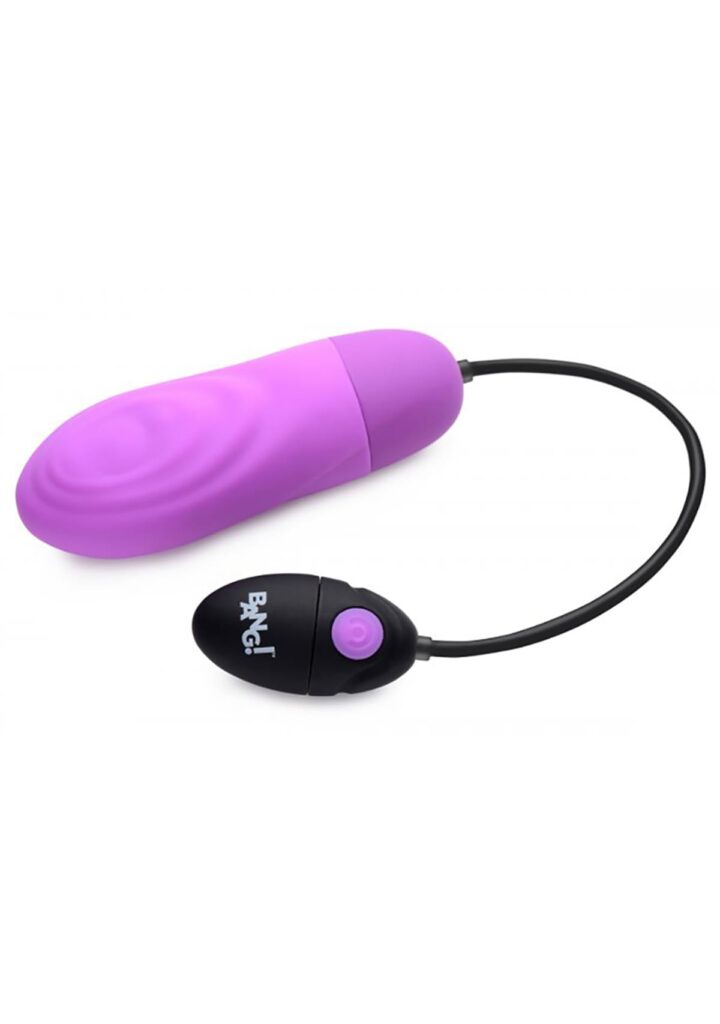
| Bullet / mini | Pinpoint, discreet | Yes — most approachable |
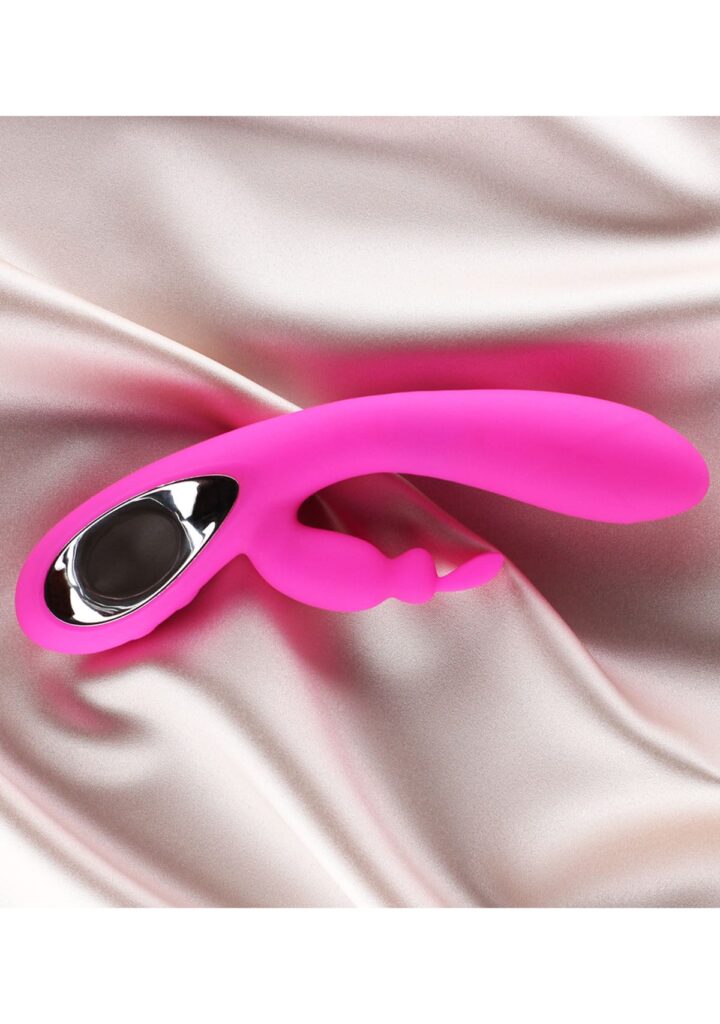
| Rabbit | Dual internal + external | Good second toy |
6. For Every Body
- If you’re new to it — start with hands, then introduce a small bullet or clitoral sucker. No pressure to orgasm, just explore.
- After childbirth or during menopause — sensitivity and arousal can shift. A gentler toy and extra lube help; there’s no timeline to “get back” to anything.
- If you’ve always done it one way — try a different position, a different toy type, or adding lube. Novelty often unlocks new sensations.
- Men, too — solo play is for everyone. A vibrating ring or prostate toy adds dimensions many men haven’t explored.
7. Common Myths, Busted
- “Masturbation means you’re not satisfied in your relationship.” It means nothing of the sort. Solo and partnered sex coexist happily in most relationships.
- “Using toys will desensitize you.” No — vibrators don’t “numb” you permanently or ruin your sensitivity. Any temporary numbness passes quickly.
- “Only certain people masturbate.” Wrong. It’s practiced by people of every age, gender, and orientation. It’s one of the most universal human behaviors there is.
- “You need to orgasm every time.” You don’t. The goal is pleasure, not a finish line. Sometimes it just feels good without a peak.
Tools We Recommend
Your Ritual
Solo play is at its best when it becomes a ritual rather than a routine. Here’s what that looks like:
- The wind-down. The day is done, the door is locked, the phone is face-down. Ten quiet minutes of nothing to do but feel good — how you close the loop on a long day.
- The escape. A stressful week, a racing mind. Solo pleasure is one of the few places your mind goes quiet, because your body takes over.
- The discovery. Trying something new — a different toy, a different rhythm — and finding out something about yourself you didn’t know. The learning never really stops.
Our Picks
FAQ
Is masturbation healthy? Yes. It’s normal, reduces stress, helps you learn your body, and is linked to better mood and even pelvic-floor health.
Will a vibrator ruin my sensitivity? No. The idea that vibrators cause permanent numbness is a myth. Any temporary sensation passes quickly and has no long-term effect.
How often is “normal”? There’s no normal. Some people do it daily, some rarely, some not at all — it’s all fine as long as it doesn’t interfere with your life.
Do I need lube for solo play? It helps a lot — a few drops of water-based lube makes everything smoother and more comfortable, especially with toys.
Can solo play improve my sex life with a partner? Yes. Knowing what you like makes it far easier to communicate and enjoy partnered sex.
What’s the best first toy for solo play? A clitoral sucker or a quality bullet/mini vibe. Both are focused, approachable, and reliably satisfying.
Is it okay to use toys and my hands together? Absolutely. Most people combine them. There’s no rule about how to do it.
What if I feel guilty afterward? That guilt is learned, not innate. Remind yourself that solo play is healthy, normal, and yours to enjoy. It gets easier with practice.
What is edging, and should I try it? Edging means bringing yourself close to orgasm then backing off, repeated a few times before letting go. It builds intensity and teaches you your own rhythms — well worth trying.
Does solo play change after childbirth or menopause? It can — sensitivity and arousal may shift. Be patient, use extra lube, and let a gentler toy help. There’s no timeline to rush.
Explore on your terms. Browse our vibrators and find what fits you.