Electrostimulation 101: A Beginner’s Guide to E-Stim Sensation Play
Electrostimulation — “e-stim” in the shorthand of the toy aisle — has spent years on the fringes of mainstream catalogs, and its reputation has not always matched the technology underneath. What sits under the name is older and more ordinary than it sounds: small, battery-powered currents from the same family as the muscle-stimulation devices used in physical therapy for decades, repackaged for sensation. For the people who try it, the draw is a feeling nothing else in the drawer produces — a whisper of current that becomes a pulse, a pulse that becomes rhythm, and at higher settings, a wave of involuntary muscle flutter that feels less like operating a toy and more like being played by one. This guide explains what e-stim actually is, how it feels at different intensities, the safety rules that cannot be skipped, and how to build a first session from the lowest setting up.
Only got time for a quickie?

- E-stim toys deliver small, battery-powered currents — measured in milliamps — through electrodes on the skin, the same broad technology family as TENS and EMS therapy devices.
- The sensation runs a full ladder: a faint tingle at low settings, a rhythmic pulse in the middle, and involuntary muscle contractions at the top end.
- The golden rules: keep play below the waist, never let current cross the chest, and never place electrodes on the head, neck or temples.
- People with pacemakers, heart conditions, epilepsy, pregnancy or metal implants should skip e-stim entirely — the standard exclusions in every serious safety guide.
- Every session starts at the lowest intensity and rises slowly; always return the dial to zero before moving or removing electrodes.
- Electrodes need a water-based conductive gel for even contact — dry skin is where stinging and hot spots come from.
Why do people try e-stim?

The motivations cluster around three things. First, novelty. The brain’s arousal system responds to new stimulus patterns, and e-stim is the one toy category that produces a sensation most adults have genuinely never felt before — a current running under the skin rather than pressure on it. Second, control. No other toy has an intensity dial this fine: the difference between settings is a single notch, which makes e-stim the most adjustable category in the drawer for people who find vibration all-or-nothing. Third, the power-exchange angle. Because the dial can live in another person’s hand, e-stim slots naturally into the same dynamic as other light kink play — see the BDSM for beginners guide — where the sensation arrives on someone else’s schedule.
An honest note on the data: no large published survey breaks out e-stim use separately from other kink activities, so the category carries none of the tidy statistics that vibrators do. What is well documented instead is the safety side — low-current stimulation devices have decades of clinical use behind them, which is exactly why the rules below are so settled. Niche is part of the appeal: for people who have tried everything on the mainstream shelf, this is the drawer that still has an unexplored corner.
1. What e-stim actually is
Two related clinical technologies sit behind the toys. TENS devices send currents that stimulate nerves, and are used for pain relief; EMS devices send currents that make muscles contract, and are used in rehabilitation and muscle training. E-stim toys borrow from both — current pulses through the skin between two electrodes, and the path between those electrodes is where the sensation lives. The currents involved are small, measured in milliamps, and the devices are battery-powered by design: anything that plugs into a wall has no place in this category, ever. Most toys offer patterns rather than a plain current — continuous pulse, ramp, wave — which is how the same hardware can feel like a heartbeat in one mode and a slow surf in another.
2. How e-stim actually feels
At the lowest settings, the current registers as a faint tingle — some people describe it as pins and needles without the discomfort, others as a soft vibration that is not quite vibration. As intensity rises, the tingle gains rhythm and becomes a pulse, then a deeper throb, and eventually a contraction: the muscles between the electrodes tighten briefly on their own, which is the sensation nothing else in the drawer can reproduce. Sensitivity varies widely by placement — external mucosa is far more responsive than thick skin, internal contact more again — which is why the same setting can feel like nothing in one spot and plenty in another. The practical consequence: a setting is never “safe because it was fine somewhere else”. Every new placement starts at zero.
3. The safety rules that cannot be skipped

The same rules appear in virtually every e-stim safety guide, because they come from how electricity behaves in tissue, not from taste or cautionary mood:
- Keep play below the waist. Current should never cross the chest — that includes hand-to-hand placements and nipple-to-nipple, because a path near the heart is the one risk the category will not negotiate with.
- Never the head, neck or temples. Nerves there control essential functions, and no toy current belongs near them.
- Skip it entirely with certain conditions. Pacemakers and any electronic implant, heart conditions, epilepsy, pregnancy, and metal implants in the stimulated area are the standard exclusions. Anyone unsure should ask a clinician first.
- Only clean, unbroken skin. Cuts, irritation and inflammation change conductivity and hide damage. Remove jewelry at contact points.
- Start at zero, rise one notch at a time. And return the dial to zero before moving or removing electrodes — repositioning a live electrode is how surprise zaps happen.
- Hot spots mean stop. A prickly, sharp or burning feeling in one small point means uneven contact. Turn it down, switch off, and reapply gel.
The pattern behind all of it: e-stim is safe by design at toy currents, and the safety system is the user’s own patience.
4. Entry gear, level by level
The category is best entered in small steps, and the price ladder conveniently maps to the intensity ladder. Restraint rings and clip kits in the $13–$30 range deliver external current through conductive silicone — enough to meet the sensation properly, with nowhere for the current to go wrong. Entry plugs around $20 add the internal dimension, with a flared base as the non-negotiable. Clamp sets in the $30–$40 band bring the adjustable-pressure dimension — clamps can be worn with or without current, which is useful while learning. Solid metal plugs and premium dual-electrode models above $50 are the advanced shelf: metal reads firmer and more intense by nature, and multi-electrode designs let current run along a longer path. Start external, start cheap, and let the dial — not the price tag — decide how far to go.
5. A first session, step by step
First sessions are solo, unhurried, and boring by design. Read the manual — patterns differ between models, and the manual is the only place that lists them. Apply a thin layer of conductive gel to every contact surface, because even contact is the difference between a smooth pulse and a stinging spot. Place the electrodes, turn the unit on at zero, and raise the dial one notch at a time, letting each setting settle for a few seconds before the next. Change one variable per session — a new placement, or a new pattern, never both. If playing with a partner from the start, agree on a stop signal that works at any moment, and use the same script that works for all new sensations: “Start at zero and raise it one click at a time — I’ll tell you when to stop.” Afterward, peel electrodes off gently, wash contact areas, and check the skin: a little temporary redness is normal and settles quickly.
6. E-stim with a partner
E-stim’s most distinctive couple play is the dial handover — one person controls the intensity while the other feels it, one notch at a time. Remote-controlled models make the handover literal, and the dynamic that emerges is the one power exchange is built on: anticipation between each click, and trust that the hand on the dial is listening. The etiquette mirrors nipple play and all other shared sensation play: the receiver’s word ends the session instantly, the giver never rushes the ladder, and aftercare — water, a blanket, a few unhurried minutes — belongs to both. The dial handover is also a natural first step for couples who have never tried power exchange, because the entire negotiation is one button.
7. Lube, cleaning and care
E-stim uses water-based conductive gel — ordinary water-based lubricant usually works, but a purpose-made conductive formula guarantees even contact, and silicone-based lube has no place here because most electrodes are silicone. After a session, wash electrodes with mild soap and warm water, dry them completely, and store the device away from other toys; metal electrodes in particular should not knock against metal objects. Check cables and connectors periodically — a frayed cable is the one hardware fault that ends a session on principle. And as with every rechargeable toy in the drawer, store it away from moisture and out of direct sun.
Gear & look-outs
At a glance, the e-stim shelf breaks into four groups, each with its own checkpoints:
- Entry rings and clip kits. Look for an adjustable intensity dial with fine increments, conductive silicone contact points, and a battery indicator.
- Plugs. A flared base is non-negotiable, the electrode material should be body-safe metal or silicone, and conductive gel is part of the purchase, not an afterthought.
- Clamp sets. Pressure should be adjustable independently of current, so the clamp can be worn without power while learning.
- Remote and multi-electrode models. Look for per-channel intensity control and a partner-control remote with a range that matches the room it will be used in.
The rule that overrides all of them: below the belt, lowest setting first, gel every time — and never modify a device or use one with visible cable damage.
The low-current ritual
The remote lies between two pillows like a question waiting to be asked. One click, and the first whisper of current arrives — not enough to name, only enough to notice, the way one notices a pulse settling into rhythm. Another click. The lamp is low, the room is warm, and somewhere between the dial and the skin a small private negotiation is being conducted entirely in silences. Nothing hurries. The current does not ask; it arrives, recedes, arrives again, and the body has begun to answer before either of them has spoken. By the time the remote changes hands, the room has learned something new about trust — and about how little current it takes to fill it.
Our picks
Eight e-stim pieces ordered from entry to advanced, chosen so the intensity ladder and the price ladder climb together.
Our Picks
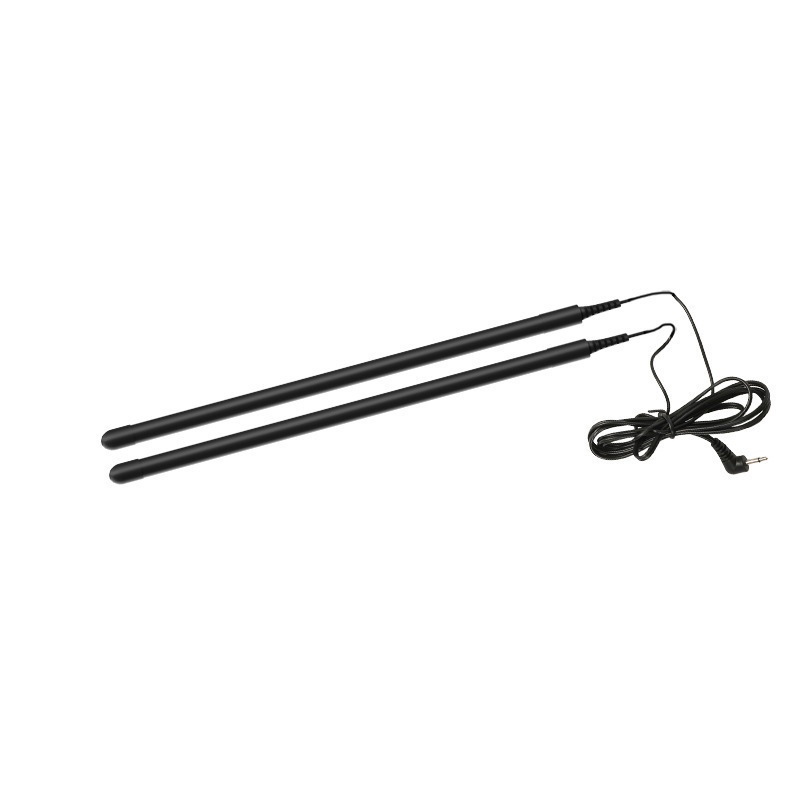
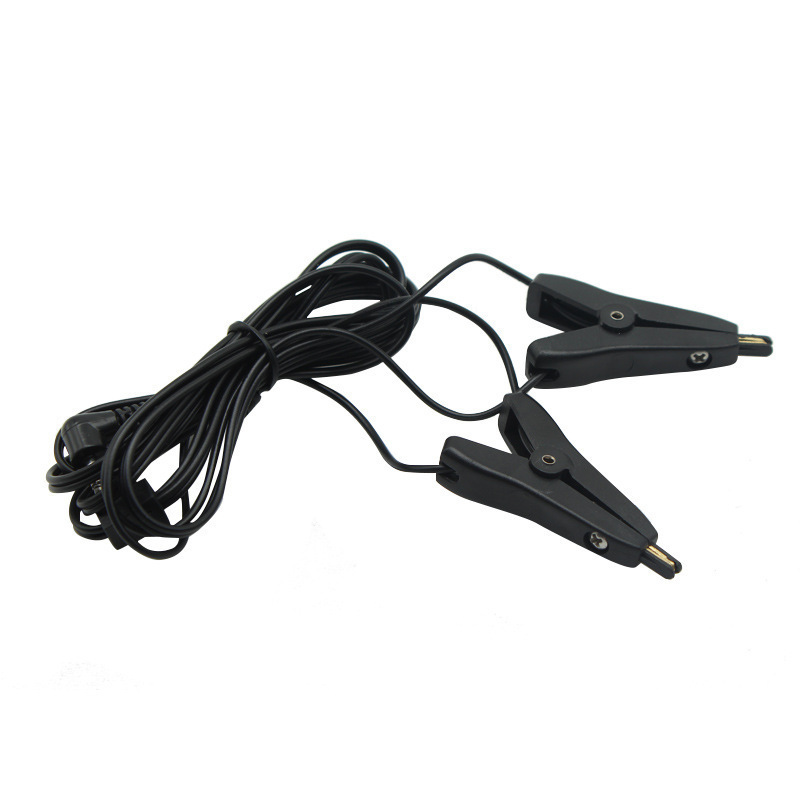


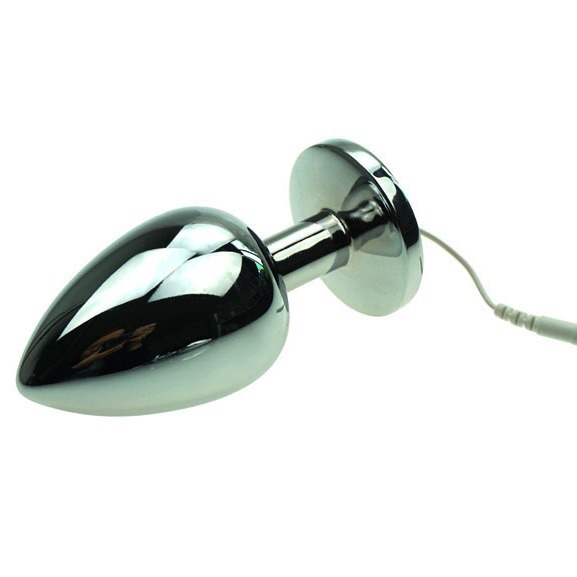
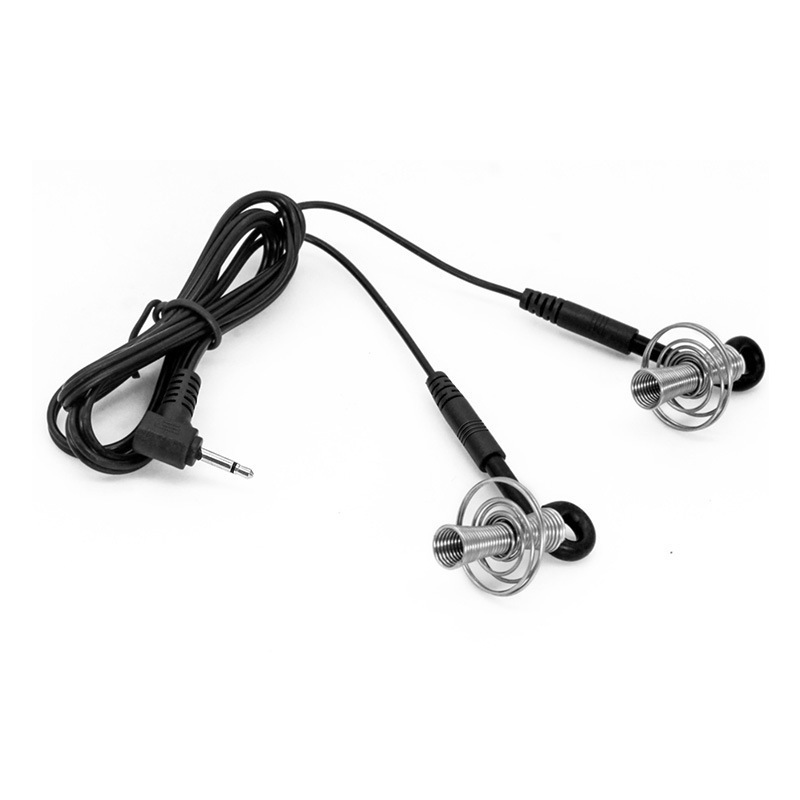
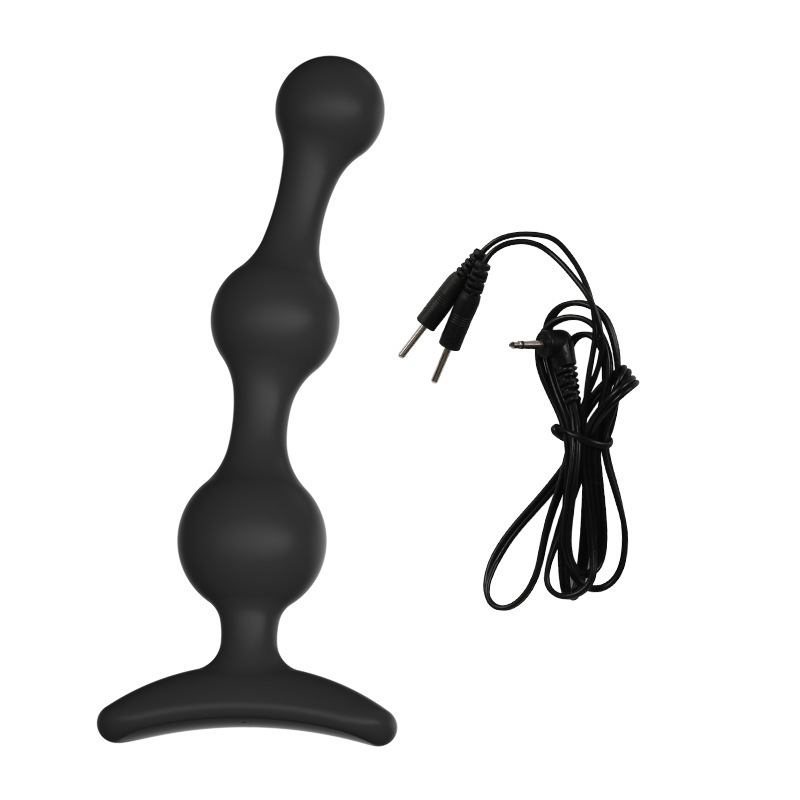
- Eclipse Electro Restraint Ring — the gentlest entry point: a velvety restraint loop with whisper-soft current, at an impulse price.
- Dual-Pole Dual-Tone Sensorial Clip Kit — interchangeable clips and two intensity tones, a flexible first set for external play.
- Aura Electro Pulse Dual-Stimulation Plug — a dual-region plug with a flared base, the natural first step into internal e-stim.
- C773 Remote Electro Pulse Dual Ring Set — a shared remote turns the dial into a two-person conversation, ideal for couples.
- Electro Nipple, Clitoral & Labial Clamp Set — weighted, body-safe clamps with gentle currents, for people ready to explore placement.
- Electro Pulse Solid Metal Plug — polished metal that warms to the skin and reads firmer than silicone, the advanced internal choice.
- Spiral Electro Sensation Clamp Set — spirals that sit like jewelry and turn anticipation into a wearable, hands-free ritual.
- ElectroPulse Dual-Electrode Silicone Plug — two electrodes trace longer paths of current, the flagship for people who know their settings.
FAQ
Does e-stim hurt?
Not when it is used the way the guides describe. At low settings the sensation is a tingle; pain usually means the dial rose too fast, the contact was dry, or the electrodes were mispositioned. Stop, return to zero, reapply gel, and the sharpness should not return.
Is e-stim safe?
At toy currents, with battery-powered purpose-built devices, and with the rules above — below the waist, never across the chest, no head or neck, lowest setting first — yes. The exclusions are real: pacemakers, heart conditions, epilepsy, pregnancy and metal implants in the area are all reasons to skip it and ask a clinician instead.
What lubricant should I use with e-stim?
Water-based conductive gel. A purpose-made conductive formula gives the most even contact; ordinary water-based lube usually works in a pinch. Never silicone-based lube, since most electrodes are silicone and the pairing degrades them.
Is an e-stim toy just a TENS unit in disguise?
Same technology family, different purpose. TENS units are medical devices tuned for pain relief; e-stim toys are built for sensation, with patterns, electrodes and controls designed around play rather than therapy. They are not interchangeable, and a clinical unit should not be repurposed.
Can partners share electrodes?
Better practice is one set per person, or a thorough wash with mild soap and warm water between users — the same hygiene standard as any body-safe toy. Sharing pads is the one exception worth avoiding entirely; they hold skin cells and lose adhesion.
Who should avoid e-stim?
Anyone with a pacemaker or electronic implant, heart condition, epilepsy, or a pregnancy, and anyone with metal implants in the stimulated area. When in doubt, a clinician’s answer beats an article’s.
Ready to explore?
The dial is the whole negotiation — and it starts at zero. Shop our electro-stimulators and BDSM & kink collections, and let the first click be the smallest one.