

Sure, suspension rigs and elaborate dungeon setups look impressive — but for most people, light bondage is where it begins and, often, where it stays. Tried a pair of cuffs or a blindfold already? Then you’ve dipped a toe in. Brand new to the idea? That’s fine too — this guide starts from zero.
Exploring restraint with a willing partner can deepen intimacy and reveal desires neither of you knew you had. Below, we’ve distilled the advice that sex educators consistently give, so you can explore safely and actually enjoy it.
Only got time for a quickie?
- People’s reasons for trying bondage vary. For most it’s a turn-on, but there are other benefits too — intimacy, trust, stress release.
- Beware spontaneity. Talk about boundaries before reaching for the cuffs.
- Learn the frameworks. RACK (Risk-Aware Consensual Kink) and SSC (Safe, Sane, Consensual) keep play safe.
- Agree on a safeword and a stop signal. Either of you should be able to stop instantly.
- Some gear thrills without hurting. Avoid anything that cuts circulation or can’t be released quickly.
- Buy quality, body-safe gear from a retailer you trust.
Why Do People Do It?
There’s no single reason — and that’s the point. For many, restraint is a way to experience intense emotional and psychological states that everyday life doesn’t offer: surrender, vulnerability, complete trust, or simply the freedom to stop being in control. For others it’s pure sensation. Research suggests the overwhelming majority — over 90% of people into bondage — are drawn to it because it’s a turn-on. Whatever the motivation, it’s valid, and it doesn’t need justifying.
8 Tips for Trying Bondage
1. Talk about it first
Bring up bondage before reaching for the equipment. It’s tempting to spring it on a partner mid-scene, but a conversation in a safe, clothed moment is far less likely to kill the mood than a surprise. Try a hypothetical to test the water: “How would you feel about having your wrists held down during sex?” Frame it as exploring together — an enhancement, not a criticism. If your partner says no, that’s a no. Don’t push.
2. Start lightly
If one of you is new, let the least experienced person set the pace — not the one who’s been reading about shibari for years. A blindfold or a pair of soft cuffs is plenty for a first session. There’s no deadline; starting small means there’s more to explore later.
3. Know your RACK from your SSC
Two frameworks keep kink consensual and safe. SSC — Safe, Sane, Consensual — is the classic: everything should be safe, reasonable, and agreed. RACK — Risk-Aware Consensual Kink — is the modern upgrade: acknowledge that some activities carry risk, understand that risk honestly, and consent to it with full information. Both agree on one thing: everyone is clear-minded (skip the alcohol), informed, and can withdraw consent at any moment.
4. Understand each other’s limits
Kink communities distinguish hard limits (absolute no-gos — “no spanking, ever”) from soft limits (flexible — “no spanking except with a hand, on the butt”). You don’t need to know all your limits upfront; part of exploring is discovering them. And if something genuinely repulses you without judgement, kinksters have a word for that too: a squick.
5. Choose a safeword — and a stop action
A safeword is a word that stops everything immediately. Pick something memorable and unlikely to come up naturally — Alabama or tarantula are classics — or keep it simple and agree that “stop” genuinely means stop. If a gag is involved, you also need a physical signal: a squeaky toy, a dropped object, or a hand tap. Agree on both before you start.
6. Research your knots
If rope is on your list, learn properly. A good instructor (look up Japanese rope bondage / shibari classes) will show you how to tie safely and check circulation. Start with single-column ties and practice on furniture before a body. Know how to release quickly — keep safety scissors nearby. Not confident yet? Start with cuffs instead of rope.
7. Ramp up gradually
Beyond basic restraint, there’s a whole world: impact play, temperature play, sensation play. Nipple suckers are gentler than clamps; a feather tickler is a soft introduction to sensation. Suspension, chastity, and electrostim are advanced — work up to them, not toward them on day one.
8. Make time for aftercare
After any scene — especially an intense one — a blanket, a glass of water, and a cuddle go a long way. Aftercare is when you reconnect and process what just happened, and it’s as much a part of kink as the scene itself.
How to Choose the Right Gear
Quality matters. Rope that’s too thin risks circulation; ripping duct tape off skin hurts; cable ties for restraint are a genuinely bad idea. Here’s the gear, compared:
| Gear | What it does | Beginner-friendly? | Look out for |
|---|---|---|---|
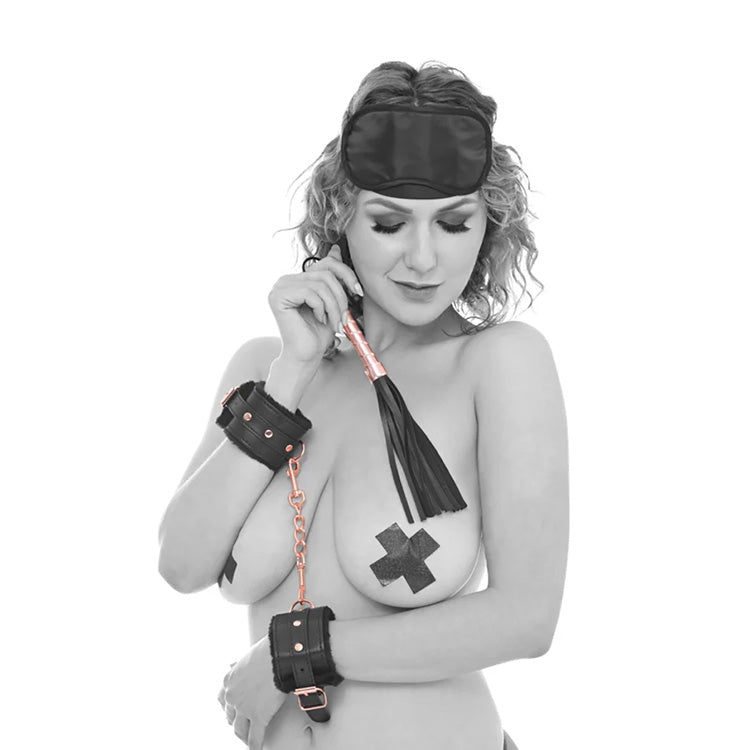
| Soft cuffs | Restrain wrists/ankles | Yes — best start | Padding, adjustable fit |
| Blindfold | Removes sight, heightens senses | Yes — best first buy | Comfort, full coverage |
| Ball gag | Muffles speech | With care | Breathability, stop signal needed |
| Collar & lead | Symbolic + physical control | Yes | Material, O-ring points |
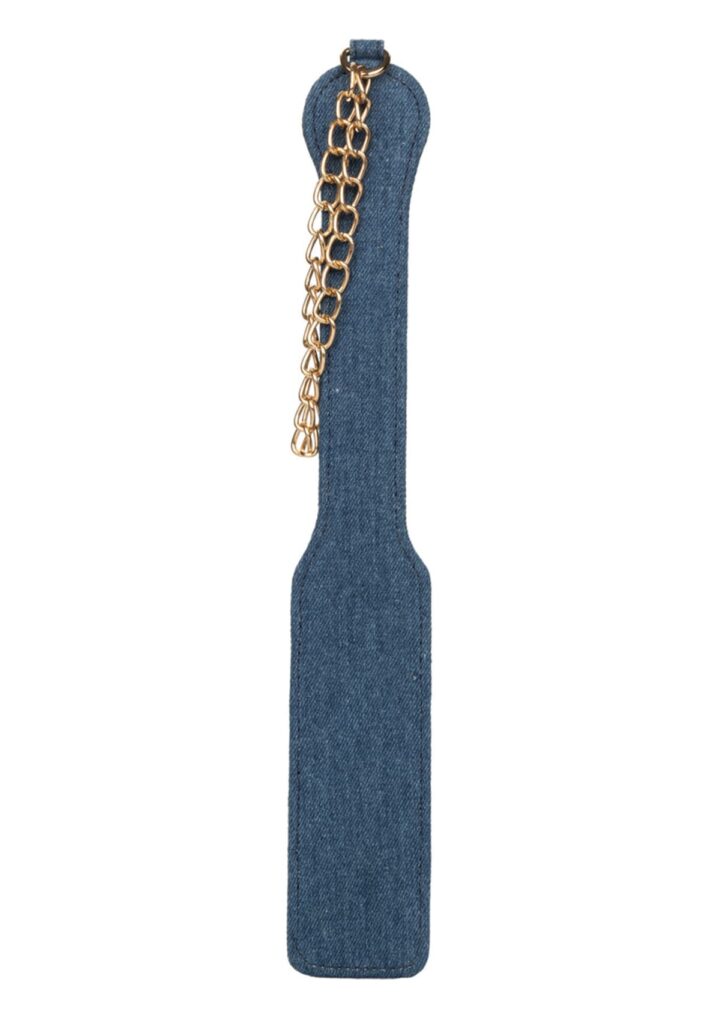
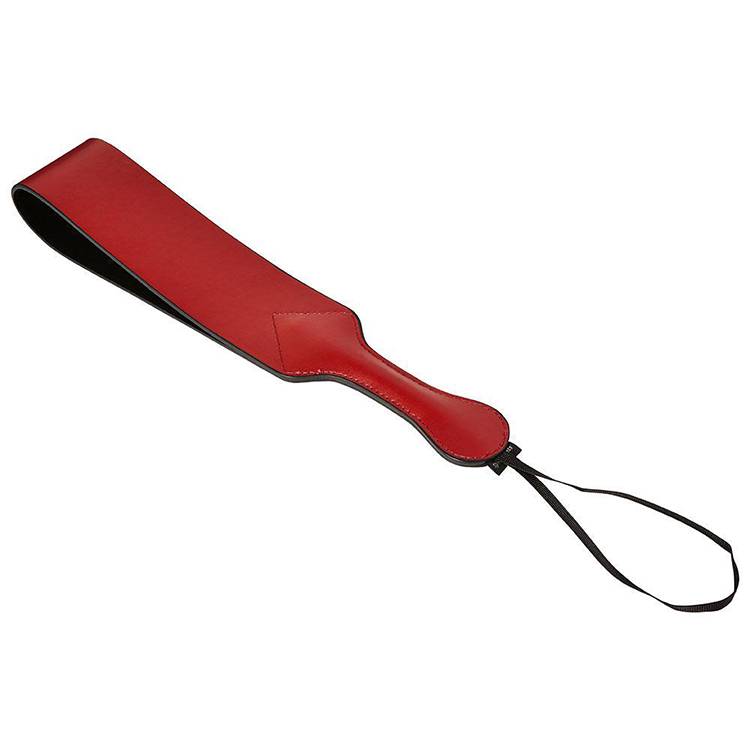
| Paddle / flogger | Impact sensation | Paddle yes | Broad thuddy > stingy |
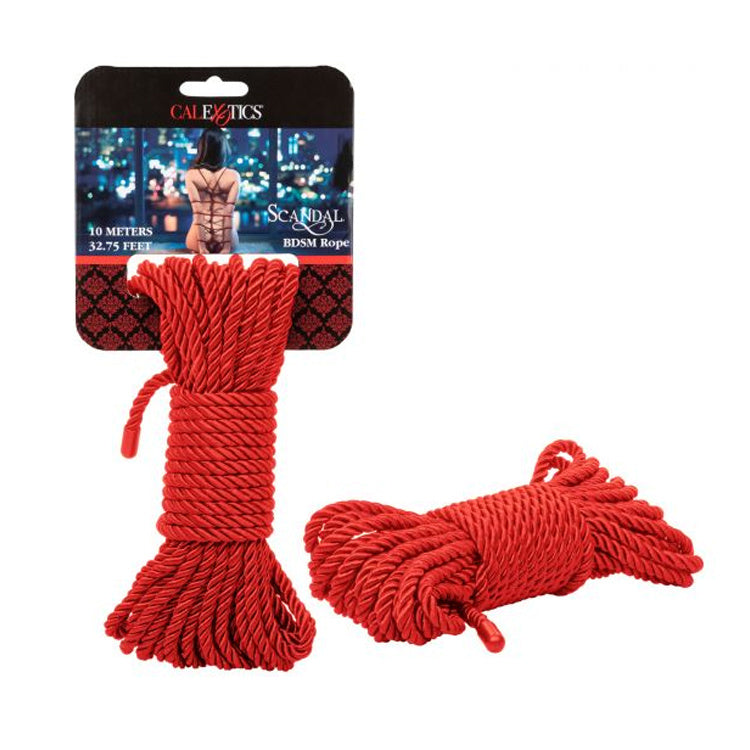
| Rope | Restraint, shibari | Learn first | Safety scissors, circulation |
Good places to start:
Where It Begins
Kink isn’t a dungeon — for most people, it starts in an ordinary bedroom, with one small step:
- The first blindfold. The room doesn’t change — but with your eyes covered, everything else does. Touch becomes louder, anticipation sharper. Losing sight is often the first surrender.
- The cuffs. Wrists held softly, just enough to feel held but never trapped. It’s less about restraint than about permission — permission to stop steering, for once.
- The aftercare. After the scene, a blanket and a glass of water, talking quietly about what you both felt. This is where trust is built, not just maintained.
Our Picks
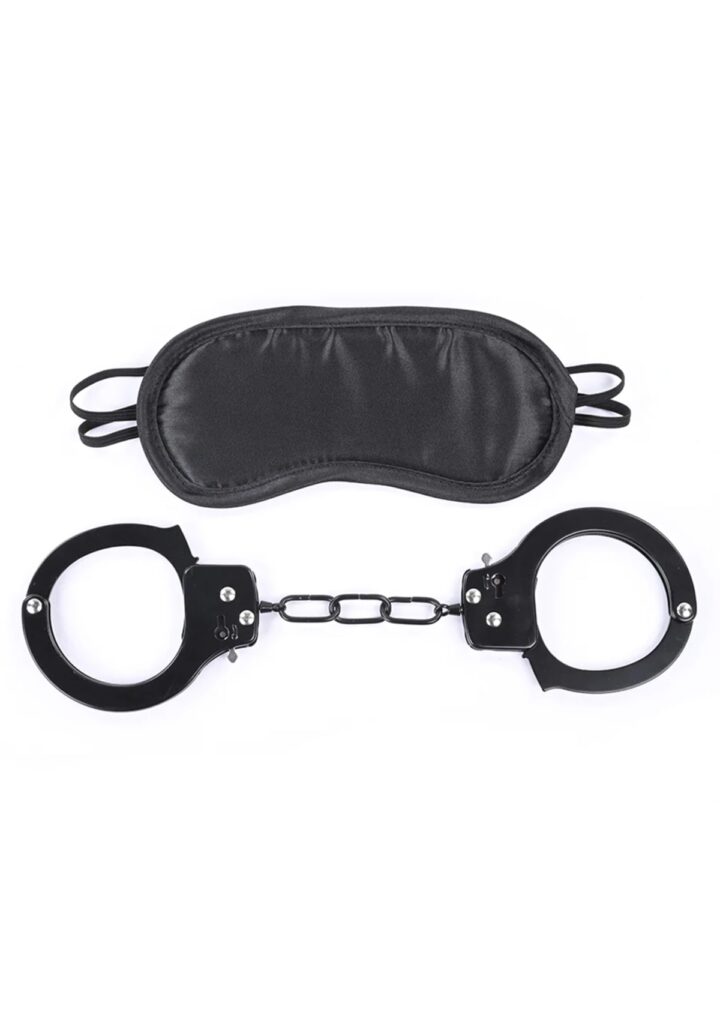
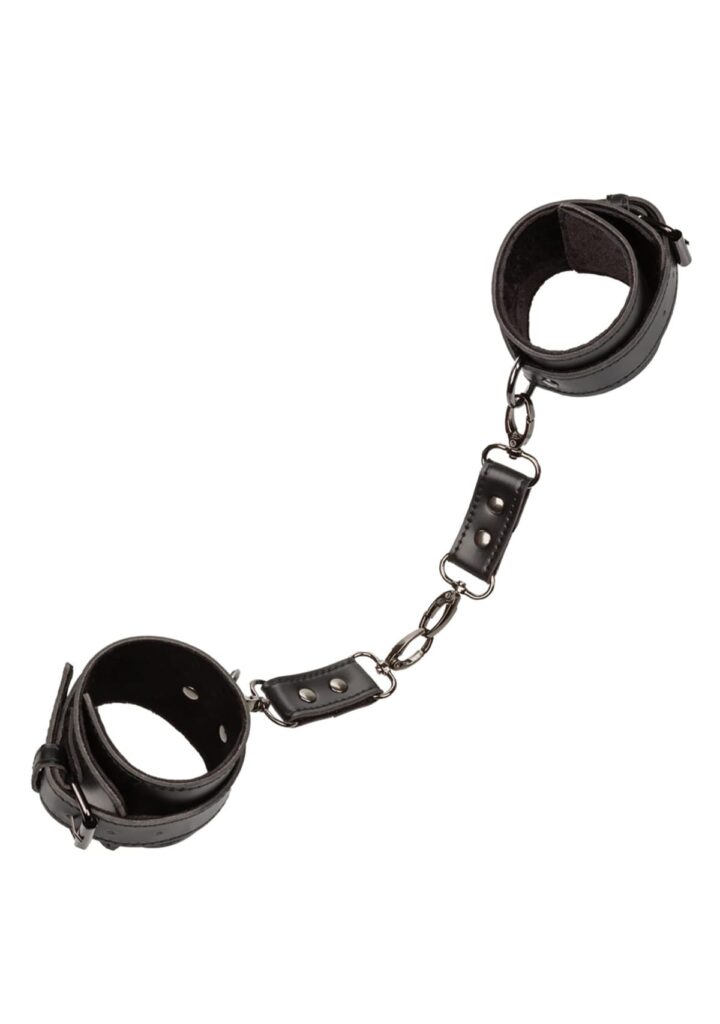
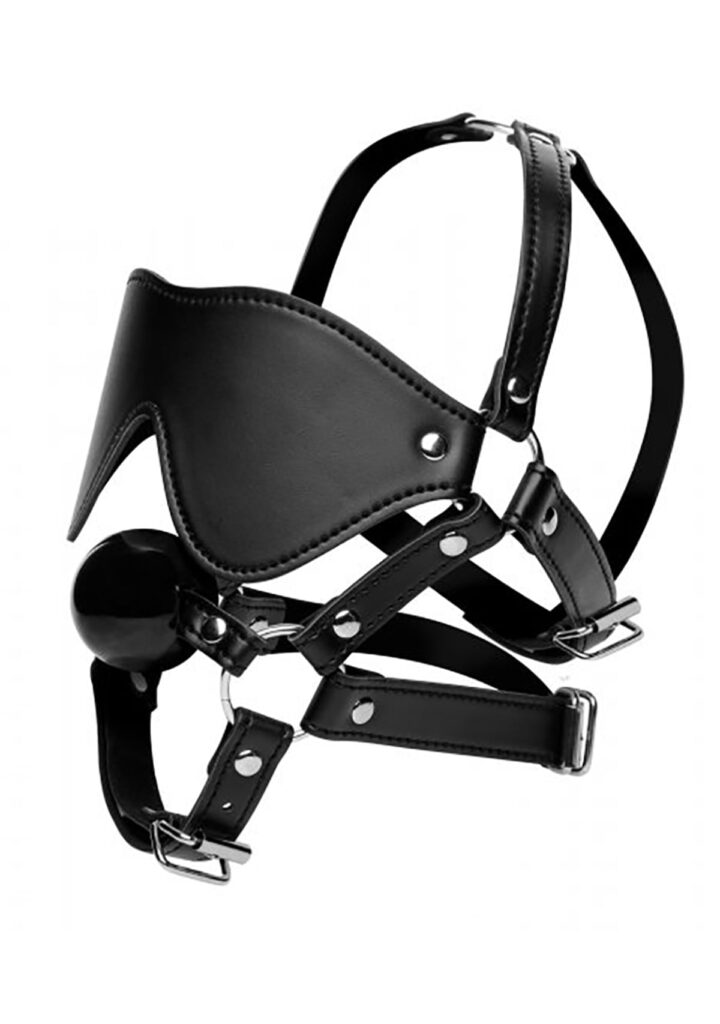
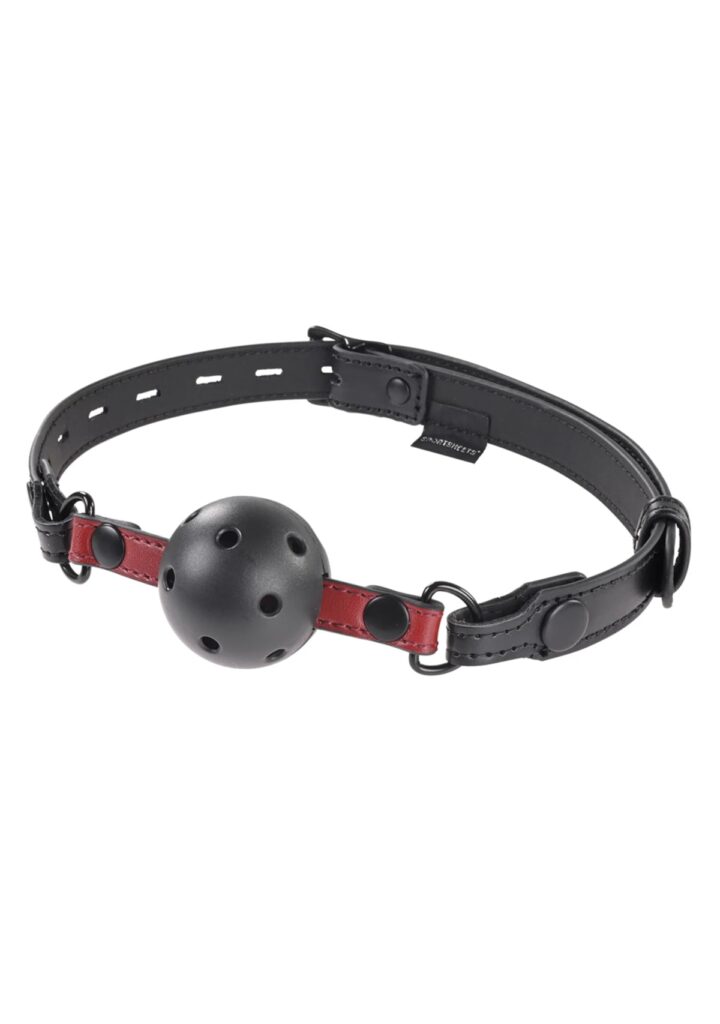
Beyond the Basics
Once light restraint feels comfortable, these are the natural next steps:
- Impact play — a broad, thuddy paddle is gentler than it sounds; floggers spread impact wider; crops and canes sting more. Warm up with your hands first, aim for fleshy areas (buttocks, thighs), and avoid the kidneys, spine, and joints.
- Temperature and sensation play — feathers, massage oils, warm or cool objects. A soft flogger or a feather tickler explores touch without impact.
- Power play — simple commands and light role-play. The psychological side of kink is often more powerful than any toy.
Common Myths, Busted
- “BDSM is all about pain.” For many it’s about trust, power, and sensation — pain is optional and always negotiable. Plenty of kink involves no impact at all.
- “You need a dungeon and expensive gear.” A blindfold and a pair of cuffs are enough to start. The rest is optional.
- “It’s only for certain kinds of people.” Bondage is practiced by people of every age, gender, and orientation. There’s no “type.”
- “If my partner says yes, we don’t need to talk more.” Ongoing communication is the whole point. Check in before, during, and after.
FAQ
Is bondage always about pain? Not at all. For many it’s about trust, power, and sensation — pain is optional. Plenty of bondage involves no impact whatsoever.
Do I need a partner? No. Solo restraint and sensation exploration are valid, and a good way to learn what you like before involving someone else.
What if I feel awkward? Normal. Start small, laugh at the awkward moments, and only go as far as feels genuinely good. There’s no exam.
How do I bring it up with my partner? Frame it as curiosity, not a fix. “I read something interesting — would you be open to trying X together?” is a solid opener.
What’s the difference between RACK and SSC? SSC (Safe, Sane, Consensual) says everything should be safe and reasonable; RACK (Risk-Aware Consensual Kink) acknowledges some play carries risk and asks you to understand and consent to that risk honestly. Both center consent.
How tight should restraints be? Snug but never tight enough to cut circulation — you should be able to fit two fingers under any cuff or rope.
Can I use household items instead of buying gear? Avoid it. Household rope is hard on skin, duct tape rips, and cable ties are dangerous. Proper gear is designed to be safe and quick-release.
What is aftercare, and do I really need it? Aftercare is the comfort and check-in after a scene — water, a blanket, talking. Yes, it matters: it rebuilds trust and makes future play better.
Ready to explore? Shop our bondage and kink collection — every piece selected for quality and body-safe materials.