Thrusting Vibrators Explained: A Complete Guide to Motion, Warmth and Hands-Free Pleasure
Vibration has spent decades as the default language of sex toys, but motion is the category quietly changing that. Thrusting vibrators — toys that move in and out rather than simply buzz — now span every price band from impulse buy to flagship, and they keep appearing on best-seller lists for one consistent reason: rhythm. A thrusting toy supplies the repetitive in-and-out motion of penetration without anyone having to produce it, which answers two of the most common complaints about vibration-only toys at once: that vibration alone can feel surface-level, and that a session ends the moment an arm gets tired. This guide explains how the mechanism works, what the main shapes actually feel like, where heat and dual stimulation fit in, and the handful of purchase rules worth knowing before choosing one.
Only got time for a quickie?

- A thrusting toy converts motor rotation into a short back-and-forth stroke — usually one to three centimetres of travel — adding the rhythm of penetration to whatever vibration it carries.
- Thrusting is the feature reviewers most often compare to “the real thing”, because motion engages deep-pressure receptors that high-frequency buzz alone never reaches.
- Most thrusters pair thrust with vibration through two separate motors, each with its own controls.
- Thrusters come in five shapes — handhelds, rabbits, wands, warming models and strokers — covering solo, couples and hands-free play.
- Prices start around $20 and climb to roughly $90 for flagships; the difference is stroke quality, noise and heat, not basic function.
- Every model in this guide shares one rule: water-based lubricant only, since the shafts are silicone.
Why do people reach for motion?

The physiology explains most of it. A vibrator at typical frequencies stimulates surface nerve endings very quickly, but the in-and-out rhythm of penetration engages a different register entirely — stretch receptors and deep-pressure receptors that fast buzz passes over without registering. Rhythm adds the second layer: the brain rewards anticipation, and a predictable pulse of motion gives it something to anticipate. That is why the standard advice for upgrading any vibrator has always been manual motion. “Mimic penetrative sex by thrusting the vibrator in and out,” as Lisa Finn, a sex educator for Babeland, put it in a vibrator guide for Women’s Health. A thrusting toy automates exactly that advice.
The effort argument matters just as much. Vibrators are deeply mainstream — 52.5% of women aged 18 to 60 in a large Indiana University survey reported having used one — and for many of those users, the next step up the ladder is a toy that moves. For people with limited grip strength, chronic pain or simply a long day behind them, a thruster turns what used to be a wrist workout into a button press. The motion does not tire; it does not lose its tempo; it does not stop being curious about the next stroke.
1. How the mechanism actually works
Inside a thrusting toy, a motor rotates and a gear assembly converts that rotation into a short linear stroke — a small shaft sliding back and forth along the toy’s axis. Stroke length is the spec that defines the feel: most toys travel between one and three centimetres, which is enough to register as penetration rather than vibration. Speed controls change how many strokes the toy completes per minute, which is a different thing from vibration intensity, and on well-made models the two run through separate motors with separate buttons.
The vibration half of the pairing deserves its own note. A low-frequency, rumbly vibration reads as heavier and deeper than a high-frequency buzz at the same power level, and rumbly plus thrust is the combination people describe as closest to flesh. The trade-off is battery: the thrust motor is the hungriest component in the toy, so sessions run shorter than on a vibration-only model, and charging before a session that matters is the practical habit this category teaches.
2. The five shapes of thrusting toys
Handheld thrusters are the classic form — a grip handle, a straight or gently curved shaft, and a head that moves. They are the most versatile entry point because the same toy works internally and externally. Thrusting wands trade precision for surface area: a broad, flexible head carries the stroke across a wider field, which suits people who find pinpoint stimulation too focused. Thrusting rabbits add an external arm so the internal stroke and the clitoral contact happen simultaneously. Warming thrusters fold a regulated heating element into the shaft. And thrusting strokers are the male-sleeve version of the category — automatic, textured and hands-free. Each shape solves a different problem, which is why the category feels bigger than its shelf space.
3. Thrust plus heat: why the pairing works

Warming thrusters combine the category’s two most popular upgrades. Heat dilates blood vessels, relaxes surrounding muscle and makes skin report sensation more vividly; the thrusting rhythm then lands on tissue that is already more receptive. The result is the toy equivalent of arriving in a warm room instead of a cold one — the body’s guard drops before the first stroke, and the motion does the rest. Two practical notes. First, the heat and the thrust are usually toggled independently, so one can be on without the other while the body adjusts. Second, heating draws continuous power, so a warming thruster on full heat-plus-thrust runs noticeably shorter than either feature alone. For the full science of warming toys, see our heated and warming toys guide.
4. Hands-free play: the category’s superpower
Because a thruster produces its own motion, it is the rare toy that can do its entire job with no hands on it. Suction-cup bases hold the toy to smooth surfaces; wedges, pillows and holders position it at an angle; and what follows is a stationary experience — the user stays still, the rhythm comes to them. For couples, this is where the category shines during sex: a thruster in place keeps the motion going while hands and attention go elsewhere, which is the scenario covered in depth in our guide to using toys during sex. The beginner note: check whether the specific model actually includes a suction base or mount point — not every thruster does, and the marketing photos do not always match the box.
5. Thrusting rabbits: dual stimulation without repositioning
A thrusting rabbit runs the internal stroke and an external arm from the same body, so both kinds of stimulation stay aligned without anyone adjusting anything. That alignment is the whole point of the rabbit design — see the rabbit vibrators guide for the full category — and adding thrust to the internal arm removes the last manual task: the shaft moves itself while the ears do their work. Swing-style rabbits take the idea further, letting the shaft arc slightly with each stroke rather than travelling in a straight line. The checkpoints are the same as any rabbit: a flexible external arm that sits where it is supposed to, and independent controls so the stroke and the ears are not locked to the same speed.
6. Thrusting strokers: motion for the other half of the drawer
For men, thrusting arrives as the automatic stroker — a textured sleeve driven up and down by the same kind of motor, with preset programs instead of a manual rhythm. The hands-free promise is literal: place it, choose a program, and the toy works. Warming variants add heat to the interior for a closer-to-skin feel. The usage rules match every stroker in the strokers guide: water-based lube inside the sleeve, a gentle first session, and a full wash afterward — with one addition, which is that sleeves must come out for cleaning, so an easy-open design is a buying criterion rather than a nice-to-have.
7. How to choose a thrusting vibrator
Three specs do the real work. Stroke length, when the manufacturer states it — longer travel reads as more decisive penetration, shorter as more subtle. Independent controls, because thrust and vibration locked to one dial is the fastest way to end up with too much of one and none of the other. And noise, because thrust motors are audible at higher speeds and the premium end of the ladder is largely paying for quieter engineering. After that, the ladder is simple: $20–$30 buys a capable entry model; around $50 buys dual motors with separate controls; $80 and up buys warming, swing mechanics and finer speed granularity. None of the rungs are wrong — the category is unusual in that the cheapest models deliver the defining sensation, which is the motion itself.
8. Lube and care
Thrusting shafts are silicone, which fixes the lubrication rule in advance: water-based lube only, because silicone lubricants bond to silicone surfaces and degrade them over time. Cleaning follows the standard protocol — warm water, mild unscented soap, thorough rinse, air dry — with the stroke mechanism adding one step: run the toy briefly on its lowest setting while washing so water and soap reach the collar where the moving shaft meets the body. Store toys dry and separate from each other, and never leave one running on fabric; a moving head against bedding is how motors get strained and fabric gets worn.
Gear & look-outs
The thrusting shelf breaks into five categories, each with its own checkpoints:
- Handheld thrusters. Look for a stated stroke length, independent thrust and vibration controls, and a vibration motor described as rumbly rather than buzzy.
- Thrusting wands. Look for a broad, flexible head and a stroke setting that can be slowed below the default pace.
- Thrusting rabbits. Look for a flexible external arm, independent ear and shaft controls, and enough weight in the handle that the stroke does not push the arm off target.
- Warming thrusters. Look for a heat toggle independent of the thrust, and budget for shorter battery life on heat mode.
- Thrusting strokers. Look for a removable sleeve, an easy-open case for cleaning, and at least one low-intensity program.
The overriding rule: let the toy do the motion. Thrusting is not permission to press harder — the force comes from the motor, never from the arm.
The hands-free hour
The bath has been drawn, the lights are down to the last lamp, and steam is still gathering on the mirror when the toy is settled into place and left to its work. No one is holding it. That is the whole point of the hour — hands free to wander, to hold, to do nothing at all, while the rhythm below continues without hesitation, without fatigue, without once asking whether the tempo was right. Outside, the city hums at its usual distance. Inside, time has slowed to the pace of the stroke, and the body has stopped keeping track of which sensation belonged to whom. By the time the water has cooled, the hour has earned its name.
Our picks
Eight thrusters from entry to flagship, chosen for real stroke motion, sensible controls and a gentle learning curve at every price point.
Our Picks
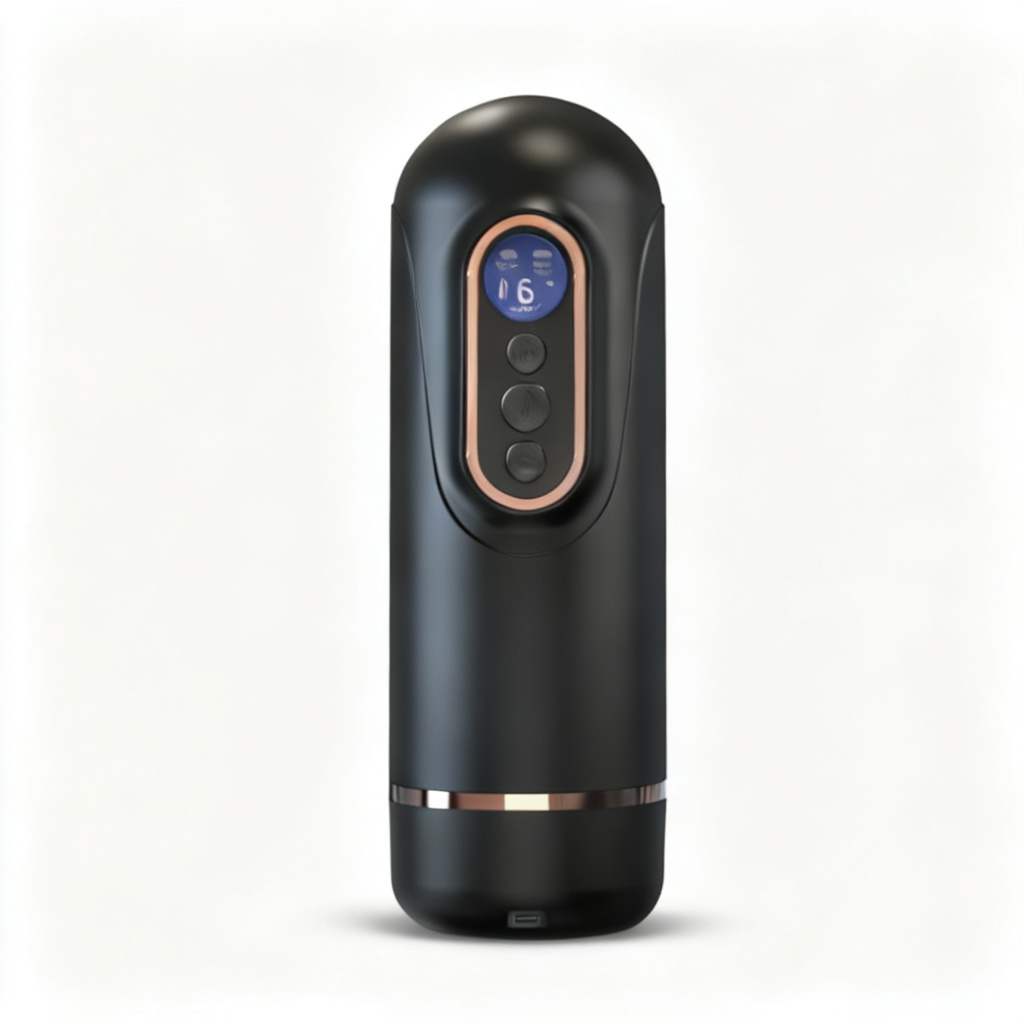

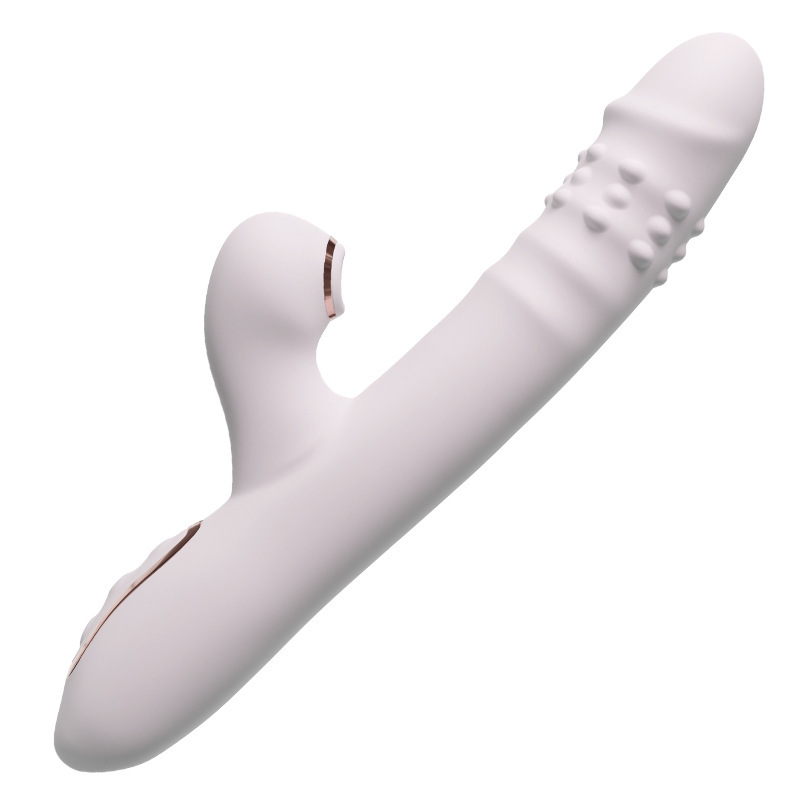
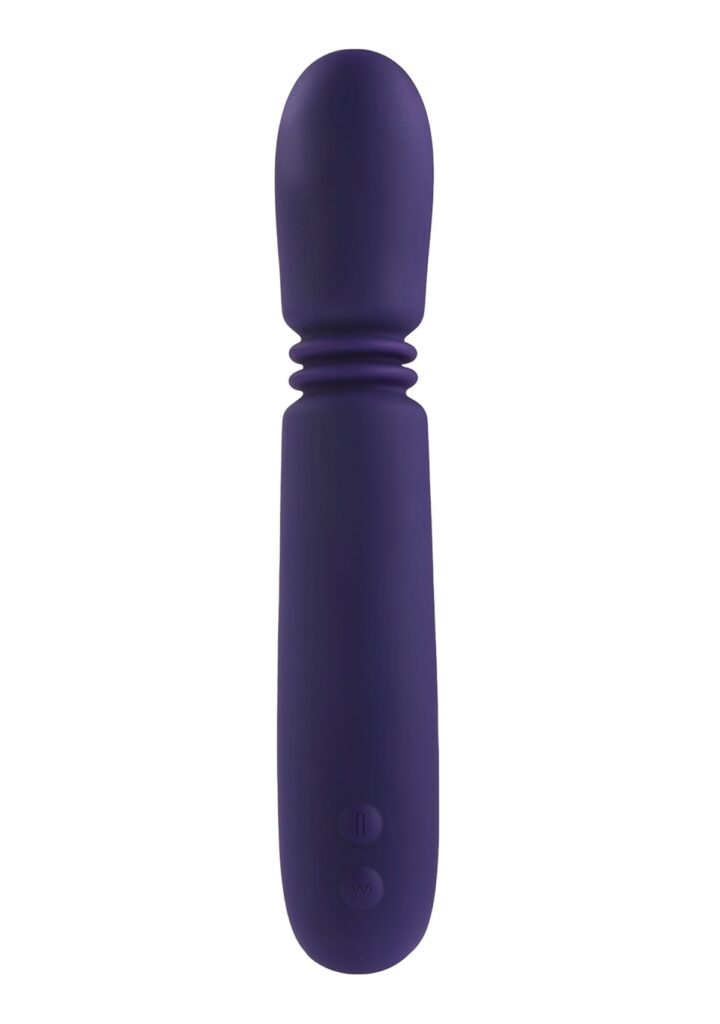
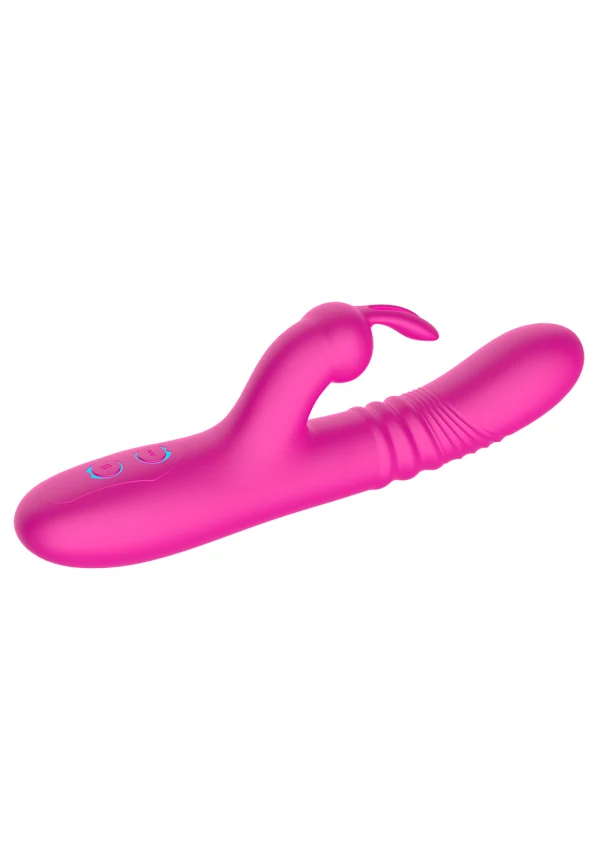


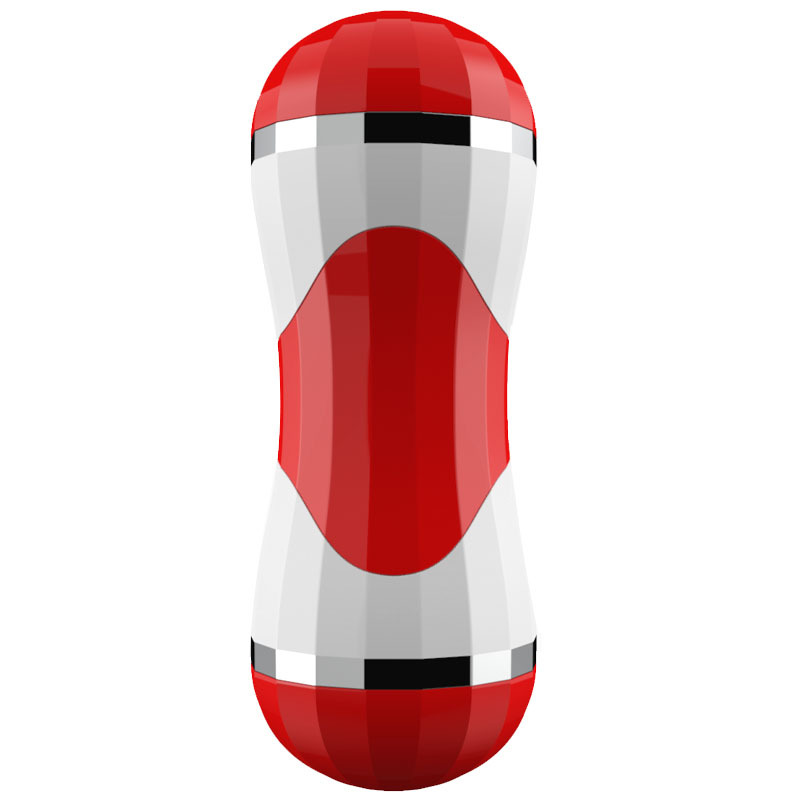
- Mano Talis Warming Thrusting Massager — warmth and thrust at an entry price, the gentlest way to meet both features at once.
- Heated Thrusting Wand Massager — a broad, weighted head with heat and a rolling stroke, ideal for all-over unwinding before anything more focused.
- Luxury Dual Motor Thrusting Vibe — the mid-ladder sweet spot: two motors, separate controls, and quiet, rolling depth.
- Handy Thruster — a palm-sized thruster with a reaching stroke and deep, resonant vibration for people who want decisive motion.
- The One Thrusting Rabbit — an automatic internal cadence paired with soft external ears, dual stimulation without repositioning.
- Onyx Luxe Auto Warming Thrust Vibe — the premium pairing of regulated heat and automatic thrust, built for long, unhurried sessions.
- USK-V09 Thrusting Swing Rabbit Vibe — a swing-arc stroke plus rabbit ears, for people who have outgrown straight-line thrust.
- Aurum Pulse Automatic Thrust Stroker — hands-free stroking for men, with preset programs and a sculpted form made to rest naturally.
FAQ
Are thrusting vibrators loud?
Thrust motors are audible, especially at higher speeds — the mechanism has moving parts, unlike a pure-vibration toy. Entry models are typically louder than premium ones; if noise matters, look for reviews that mention motor volume specifically and budget toward the upper end.
Do thrusting toys actually feel like penetration?
The motion cues the same stretch-and-release receptors as penetration, and combined with a rumbly vibration most people describe the result as the closest toy approximation. Scale realism varies by model — a small handheld will not feel like a large partner, and no toy should be expected to.
Can thrusting toys be used hands-free?
Models with suction-cup bases or mount points can, and wedges or holders work with many handhelds. Not every thruster includes a suction base, so check the product description rather than assuming.
Are thrusting toys safe for anal use?
Only models with a flared base are anal-safe — the stroke does not change that rule, it raises the stakes. Without a flared base, the toy can travel inward and require medical removal. Choose an anal-specific design and read the anal play guide before first use.
Do thrusting toys suit beginners?
Yes, with one habit: start at the lowest thrust speed, since the motion is the part that takes a minute to get used to. A $20–$30 entry model delivers the defining sensation, which makes the category one of the cheapest upgrades in the drawer.
Ready to explore?
Motion changes what a toy can do without asking anything of you. Shop our vibrators and strokers, and let the rhythm do the introduction.