

Few toys have crossed from the bedroom into mainstream culture the way the rabbit vibrator has. Ever since a certain 1998 television episode turned it into the most talked-about purchase in New York, the rabbit has remained one of the world’s best-selling toy styles — not because of the moment, but because of the mechanics. The design does two things at once: a curved internal shaft presses against the front wall of the vagina while a smaller external arm rests over the clitoris. That pairing — internal and external stimulation arriving together — is what sex educators call dual stimulation, and it produces the blended orgasm that many describe as deeper and fuller than either sensation alone. This guide covers how rabbits actually work, what separates a good one from a disappointing one, how to use one well, and which models suit which bodies.
In this guide:
What is a rabbit vibrator?
A rabbit vibrator is a dual-motor toy built around a simple idea: one motor inside a shaft delivers internal stimulation, while a second motor in a small external arm delivers it to the clitoris. The external arm usually splits into two soft prongs — the “ears” that give the style its name — so vibration reaches either side of the clitoris rather than one fixed point.
Most shafts curve gently forward, and the curve is intentional. It lets the tip press against the front wall of the vagina, roughly two to three inches in, where the G-spot area sits (the G-spot guide covers this anatomy in detail). The external arm, meanwhile, flexes to rest over the clitoral hood. When both land where they should, the two motors work together to create a blended orgasm — climax that combines internal and clitoral stimulation at once.
Rabbits vary more than most toy categories: shafts can be slim or girthy, static or thrusting, and ears can be long and flexible or short and firm. Those differences matter more than price when it comes to fit, which is why the buying advice below starts with anatomy rather than budget.
Why the rabbit became a classic
The cultural moment was real — after 1998, demand for the style exploded — but the rabbit endured for a mechanical reason. Surveys consistently find that penetration alone is not a reliable route to orgasm for most people with vulvas. In a widely cited 2017 national survey published in the Journal of Sex & Marital Therapy, only about 18% of American women reported reaching orgasm from vaginal intercourse without additional clitoral stimulation. A rabbit shortens that gap by delivering both kinds of touch through a single toy.
“A dual-stimulation vibrator is a great investment for people who are not able to reach orgasm just from penetrative play alone,” explains Lisa Finn, a sex educator and marketing director at Babeland. For many, the appeal is practical: one toy, two sensations, no second hand required — which also makes the style a natural fit for partnered play.
Blended orgasms, explained
The term “blended orgasm” refers to climax reached through simultaneous internal and clitoral stimulation. People who experience them often describe the feeling as deeper, warmer, and more full-bodied than a clitoral-only orgasm — a wave that spreads through the pelvis rather than staying at the surface. The explanation lies partly in anatomy: the visible clitoris is only the tip of a much larger internal network, and a rabbit stimulates overlapping regions of that network at once.
Not everyone finds the combination an instant success on the first try. For some, the two sensations take a session or two to synchronize — the body learns to process both signals together. Sex educators tend to describe the first few uses as calibration, not failure, which is a useful frame for anyone who expects fireworks on night one.
Choosing the right rabbit: what to look for
Fit is everything with this category, and fit starts with flexibility. “The distance between the clitoris and G-spot is going to be a little bit different on each person,” explains Holly Richmond, PhD, LMFT, a somatic psychologist and certified sex therapist — which is why she and other experts recommend rabbit builds with flexible, adjustable arms over rigid ones. A stiff toy that misses the clitoris by a centimeter misses everything.
- Flexible external arm. The ears should bend to rest over the clitoris without being held in place. Look for soft silicone arms with a bendable neck.
- Curved shaft. A forward curve concentrates pressure on the front wall of the vagina, where internal sensitivity tends to concentrate.
- Thrusting or static. Thrusting models add automatic in-and-out motion for people who enjoy movement; static shafts suit those who prefer steady, controllable pressure.
- Rumbly over buzzy. Low-frequency “rumbly” vibrations travel deeper into tissue and are less likely to cause numbness than high-frequency “buzzy” ones. The first vibrator guide explains the difference in detail.
- Rechargeable and long-running. A minimum of 60-90 minutes per charge covers most sessions; USB charging beats hunting for batteries.
- Waterproofing. Check whether the rating is splashproof or fully submersible — a rabbit that can follow into the bath or shower is more versatile.
- Body-safe silicone. The shaft and ears should be 100% silicone, which is non-porous and easy to sanitize. Silicone pairs only with water-based lubricant — silicone lube damages silicone toys. The body-safe materials guide covers why porosity matters.
How to use a rabbit vibrator
- Arousal first. A body that is already aroused is more receptive — and for internal stimulation, more comfortable. Ten to fifteen minutes of external warm-up changes the experience noticeably.
- Add water-based lubricant. A few drops on the shaft and a touch on the ears reduces friction and lets the toy glide into position. This is also the only lube type safe for silicone.
- Insert with the curve facing forward. The shaft’s curve should point toward the belly-button side — the front wall of the vagina — so the tip presses where internal sensation concentrates.
- Re-settle the ears after insertion. Everything shifts once the shaft is in place. The ears are repositionable by design; take a moment to align them over the clitoral hood rather than assuming the first placement is correct.
- Begin on the lowest setting. Many find the highest settings numbing at first. Starting low and building gradually tends to produce a better result than rushing to maximum power.
- Let thrusting models do the work. With a thrusting rabbit, the mechanism performs best when the handle is held still — the motion, not the arm, does the moving. With static models, small rocking motions of the handle shift where the tip presses.
- Experiment with angles. Tilting the handle up or down, changing depth by a centimeter, or squeezing the thighs changes the geometry entirely. Small adjustments are the difference between “fine” and “exactly there.”
Notes for first-time owners
Two things surprise most first-time rabbit owners. The first is noise: dual-motor toys hum audibly, though rumbly motors tend to run quieter than buzzy ones — a consideration for anyone in shared housing. The second is fit: the ears may not align perfectly on the first model tried, because the distance from vaginal opening to clitoris varies from person to person. A rabbit with long, flexible ears (rather than short, stiff ones) has the best odds of landing correctly across different bodies.
It is also worth knowing that rabbits are not one-size-fits-all in shaft diameter. A slim shaft suits people who prefer gentle internal pressure, while a girthier model creates a fuller sensation. When in doubt, the smaller option is the safer first purchase — a toy that feels too small is rarely returned, but one that feels too large often ends up in a drawer.
Rabbit types and what to look out for
Classic dual-arm rabbits pair a curved shaft with the signature ears. They are the reference point of the category and the most versatile choice for beginners.
Thrusting rabbits add a motorized in-and-out motion to the shaft. They appeal to people who like movement but find manual thrusting tiring — the toy sustains a rhythm the wrist does not have to.
Petite and mini rabbits shrink the shaft and lighten the body. The smaller profile feels less intimidating, costs less, and suits people who prefer gentle internal stimulation. Their one compromise is typically a smaller battery and fewer settings.
Rabbit-style curved vibrators keep the forward curve but drop the ears, focusing everything on the front wall. They are essentially G-spot vibrators with a rabbit’s geometry — worth knowing about for anyone whose clitoris prefers touch over vibration anyway.
Look out for: porous materials (TPE/TPR/jelly) that harbor bacteria no matter how well they are washed; battery-powered models with weak, tinny motors; toys advertised as waterproof when the box only says splashproof; and rigid necks that cannot flex to reach the clitoris. When a listing hides the material or the waterproof rating, that silence is usually an answer in itself.
The bath that changes pace
Warm water, dim light, and the low murmur of music from the other room — the evening slows on its own. By the time the bath ends and the towel comes off, the body is already soft, warm, unhurried. On the nightstand, the toy’s silicone has warmed to room temperature, its weight familiar in the hand. The first setting barely hums. And the beauty of this particular ritual is that it asks nothing in return except time — the ears find their place, the curve presses where it should, and the two rhythms slowly become one.
At-a-glance comparison
| Model | Price | Style | Standout feature |
|---|---|---|---|
| Ella Rabbit Vibrator | $79.95 | Classic dual-arm | Flexible ears, rechargeable, balanced size |
| Petite Jack Rabbit | $39.99 | Mini | Small shaft, low-commitment entry point |
| The One Thrusting Rabbit | $70.00 | Thrusting | Motorized motion without wrist effort |
| Greedy Girl G-Spot Rabbit Vibrator | $109.99 | G-spot dual-arm | Pronounced curve for front-wall pressure |
| Greedy Girl Thrusting G-Spot Rabbit | $144.99 | Thrusting + G-spot | Motion and curve together |
| Happy Rabbit Curve Vibrator | $115.00 | Curved, earless | Pure G-spot focus |
Our picks
Six rabbits from the BINOKU catalog, chosen for different starting points — from the budget-friendly first purchase to the full-featured upgrade:
Our Picks
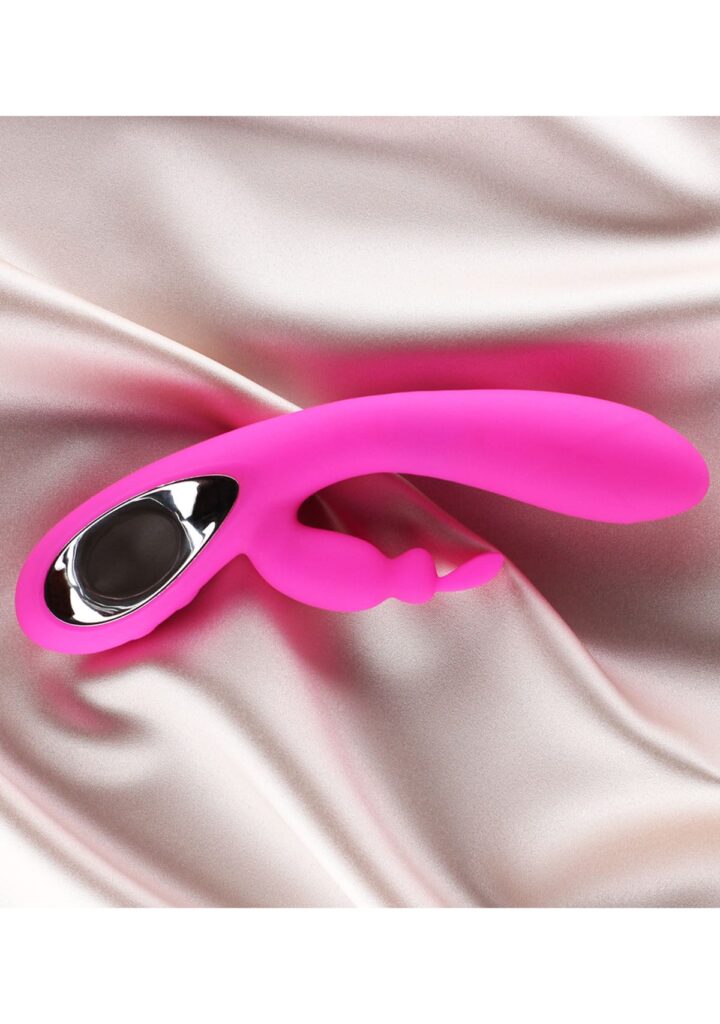
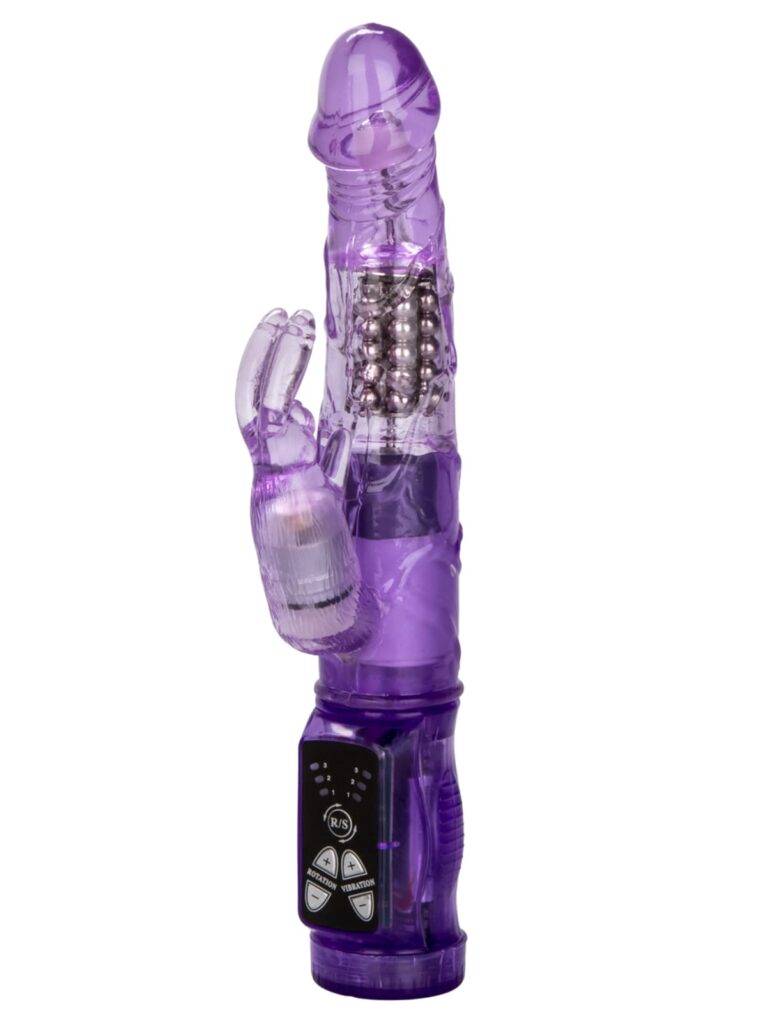
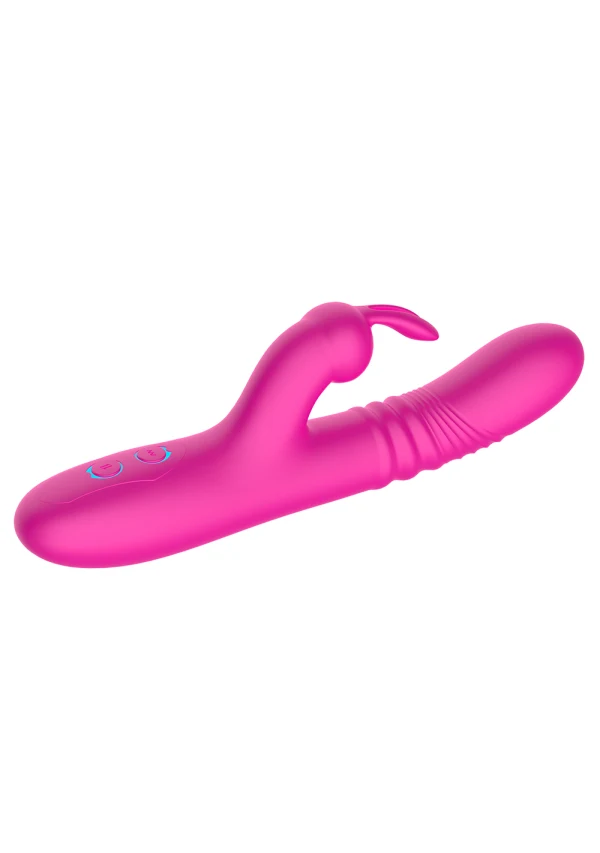
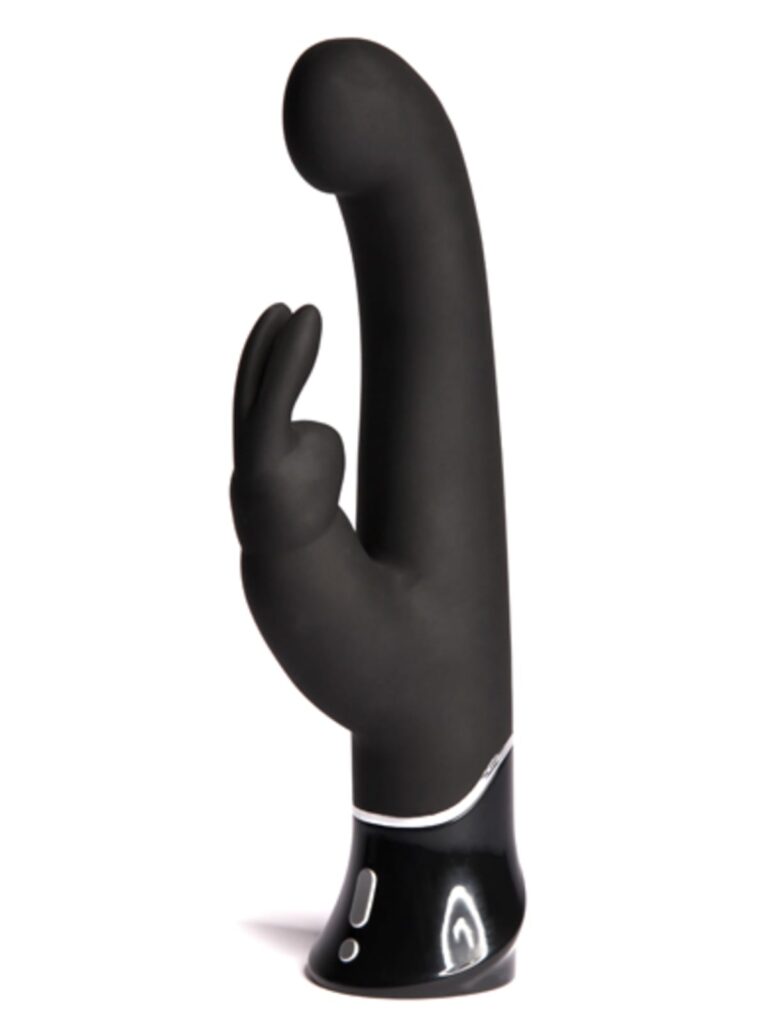
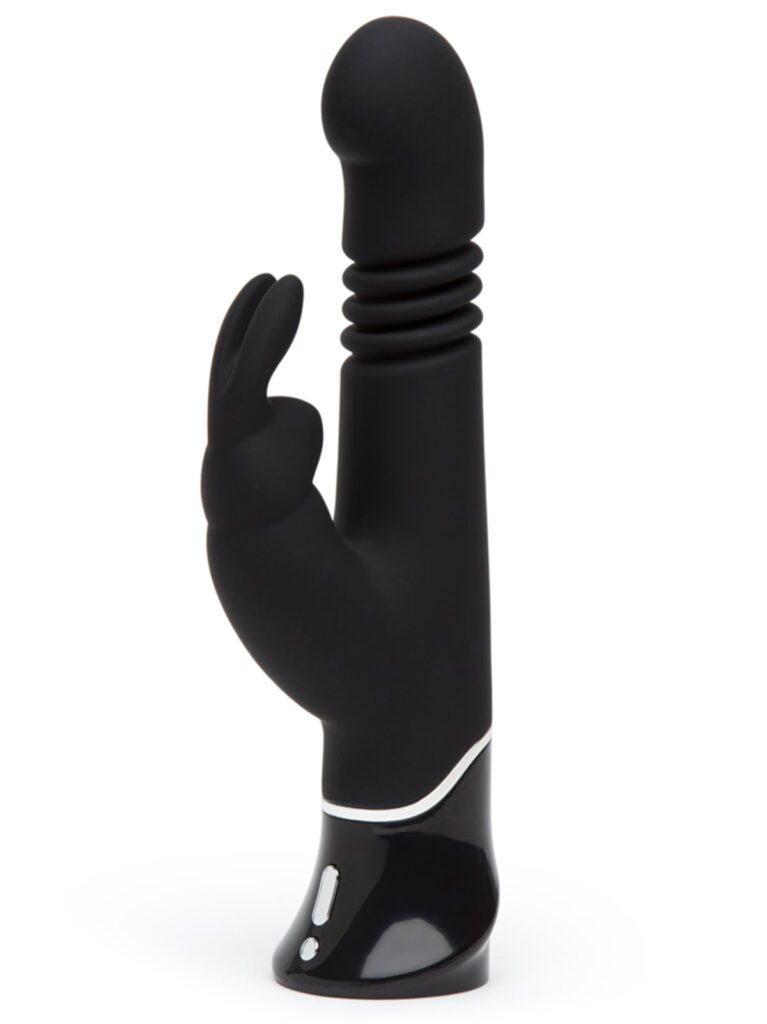
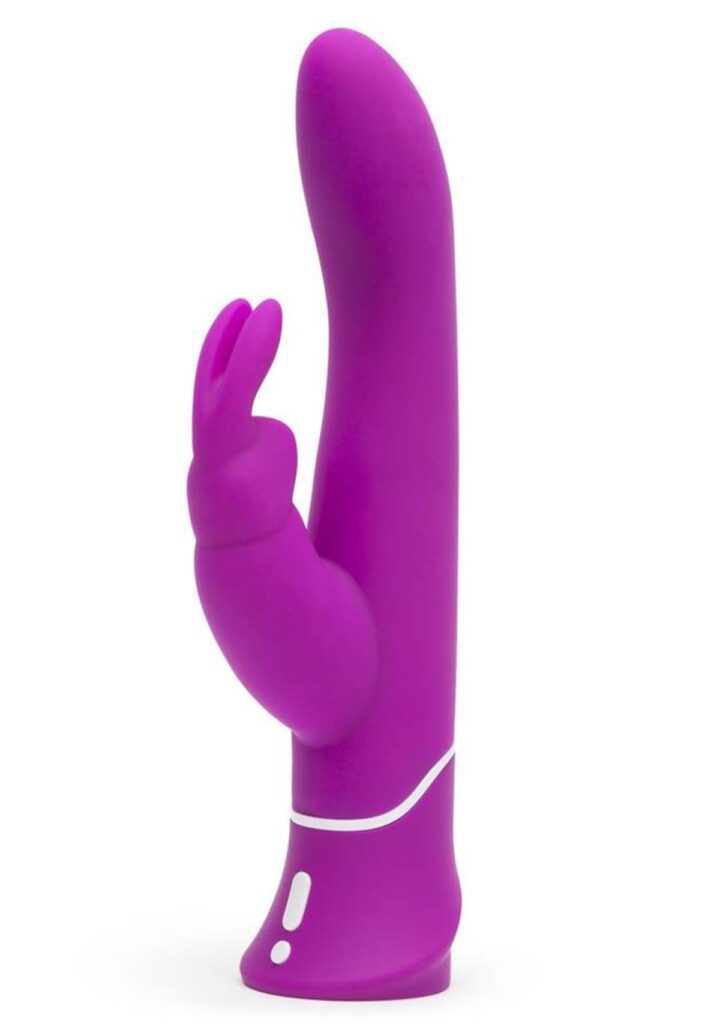
- Ella Rabbit Vibrator — the dependable first rabbit: flexible ears, rechargeable, and a mid-size shaft that suits most bodies.
- Petite Jack Rabbit — the low-commitment entry: smaller profile and a gentler price for anyone unsure whether dual stimulation is for them.
- The One Thrusting Rabbit — for those who like motion: the thrusting shaft keeps a rhythm without wrist effort.
- Greedy Girl G-Spot Rabbit Vibrator — for internal-first pleasure: the pronounced curve presses the front wall while the ears keep contact above.
- Greedy Girl Thrusting G-Spot Rabbit — the upgrade: thrusting motion and a G-spot curve in one, for those ready to combine movement with pressure.
- Happy Rabbit Curve Vibrator — the focused option: a curved, earless body that puts everything on the G-spot area.
FAQ
Is a rabbit better than a bullet vibrator?
They serve different purposes. A bullet targets the clitoris with precise, concentrated vibration, while a rabbit adds internal stimulation for a blended sensation. Neither is “better” — the choice depends on whether internal stimulation is part of what a person enjoys.
What if the ears do not reach my clitoris?
Anatomy varies — the distance from the vaginal opening to the clitoris is different on every body. Models with long, flexible ears and bendable necks have the best chance of aligning; rigid short-eared designs miss more often. If a rabbit consistently will not align, the issue is the model’s geometry, not the body.
Can a rabbit vibrator be used with a partner?
Yes — in positions with space between the bodies, the shaft stays inserted while the ears rest over the clitoris, adding vibration to partnered sex. Curved shafts can also be used externally by a partner to trace the body. Communication about pressure and position makes the difference.
How should a rabbit be cleaned?
With mild soap and warm water, or a dedicated toy cleaner, after every use — paying attention to the join between shaft and ears, where residues collect. Store it dry in a fabric pouch rather than plastic. The toy care guide covers the full routine.
Which lubricant is safe to use with it?
Water-based lubricant only. Silicone-based lube bonds with silicone toys and damages the surface over time, which is also why storage should keep silicone toys away from each other’s surfaces.
How loud are rabbit vibrators?
It varies by motor type: low-frequency rumbly motors run noticeably quieter than high-frequency buzzy ones, though all dual-motor toys produce audible sound. A closed door and background music are usually enough for privacy in shared homes.
Ready to explore? Shop our Vibrators collection — or start with the beginner’s guide to choosing your first vibrator.