
You spent good money on a body-safe toy — so how you clean and store it determines whether it lasts years or degrades in months. Proper care isn’t just about longevity, it’s about hygiene: a poorly cleaned toy can harbor bacteria that cause infections. This guide makes it simple.
Only got time for a quickie?
- Clean after every use — before and after is even better.
- Non-porous toys (silicone, glass, steel) can be fully cleaned and sterilized.
- Porous toys (TPE, jelly) can’t be truly cleaned — replace them or use a condom.
- Store dry, separate, and away from dust — a breathable bag is ideal.
- Check the waterproof rating before submerging a motorized toy.
1. Why Cleaning Is Non-Negotiable
Sex toys touch the most sensitive, absorbent parts of the body. Left unclean, they accumulate bacteria, bodily fluids, and dust — and porous materials trap those permanently, no matter how hard you wash. The rule is simple: wash before and after every single use. It takes two minutes and protects your health.
2. How to Clean (The Basics)
- Warm water + mild, unscented soap — the standard method for most non-porous toys.
- Dedicated toy cleaner — convenient sprays formulated to be skin-safe.
- Boiling — for pure silicone, glass, and steel toys with no motor.
- Avoid — harsh detergents, bleach, and scented soaps that can irritate or degrade the surface.
3. Cleaning vs. Sterilizing: Know the Difference
These two words get used interchangeably, but they’re not the same:
- Cleaning — removes visible dirt, oils, and most surface bacteria. Soap and warm water. This is your everyday step.
- Sterilizing — kills nearly all microorganisms. Boiling (3–5 min) or a high-grade toy cleaner. Do this when sharing a toy, after illness, or when switching between partners.
Everyday cleaning after each use, plus a periodic sterilize, is the complete routine.
4. Cleaning by Material
| Material | How to clean | Can you sterilize? |
|---|---|---|
| Silicone (no motor) | Soap + water, or boil 3–5 min | Yes — boiling or toy cleaner |
| Silicone (with motor) | Soap + water, surface clean | No — never boil electronics |
| Glass / steel | Soap + water, or boil | Yes — fully |
| TPE / TPR / jelly | Wash, but porous — use a condom | No — replace more often |
5. Electric vs. Non-Electric: Different Rules
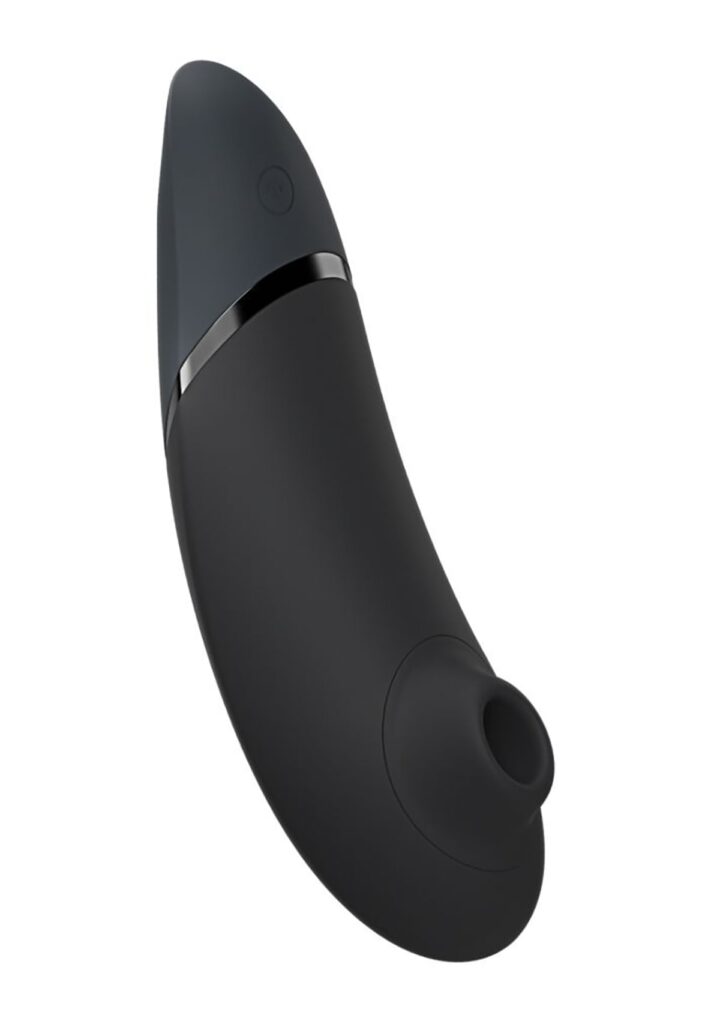
- Motorized toys (vibrators, wands) — check the IPX rating. IPX7+ means submersible; otherwise wipe carefully around the charging port and seams, never soak.
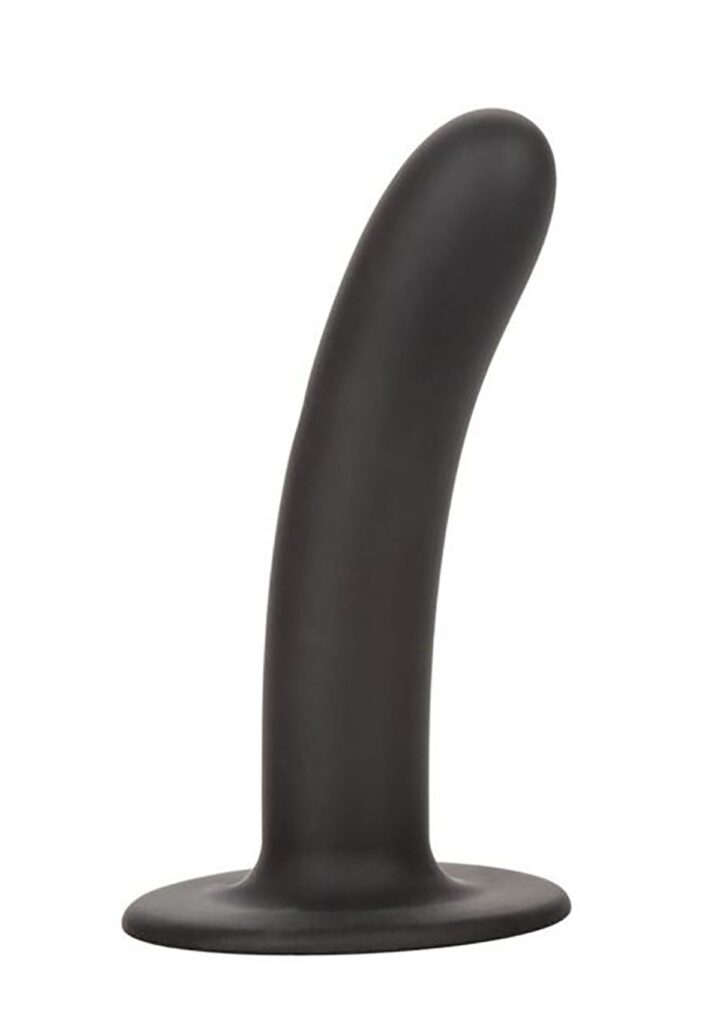
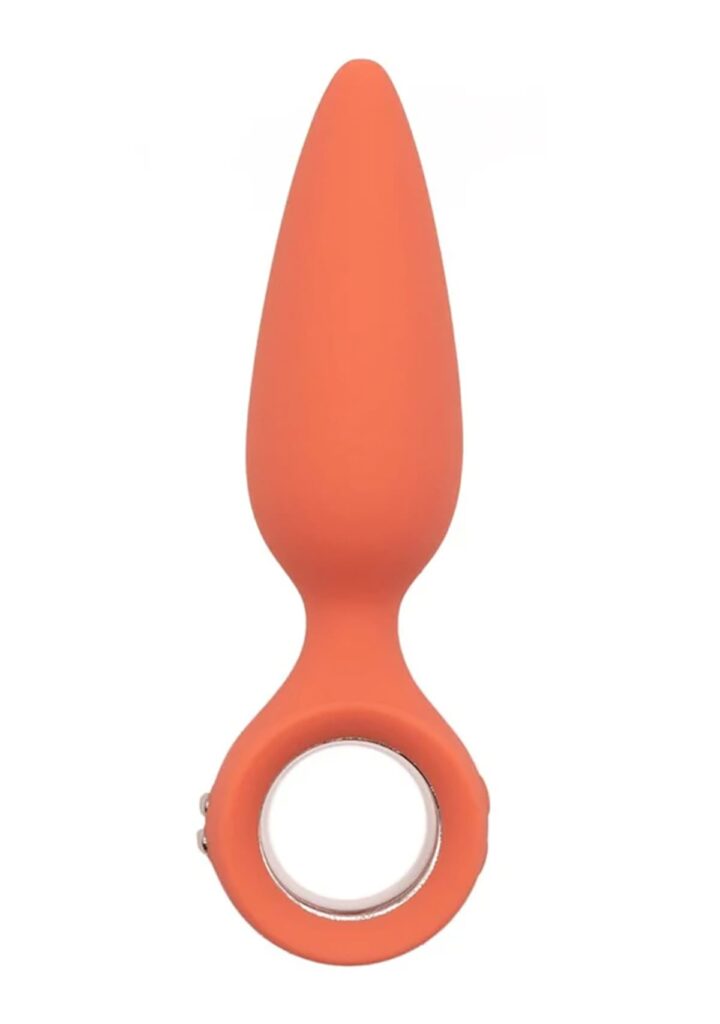
- Non-electric (dildos, plugs, glass, steel) — fully washable and, for silicone/glass/steel, boilable. The most forgiving to clean.
6. Storage: The Often-Forgotten Step
- Dry completely first — moisture breeds bacteria and degrades materials.
- Keep toys separate — silicone touching silicone can cause surface damage. Store each in its own breathable bag or sleeve.
- Away from dust and heat — a clean drawer, pouch, or case. Avoid direct sunlight and extreme heat.
- Remove batteries — for battery-powered toys, to prevent corrosion.
7. Common Myths, Busted
- “I can just rinse it quickly.” A quick rinse doesn’t remove bacteria or oils. Soap and warm water (or a cleaner) is the minimum.
- “Boiling works for any silicone toy.” Only motor-free pure silicone. Never boil a vibrator — the electronics will die.
- “Toys are self-cleaning or don’t need it if I use a condom.” Condoms help but don’t eliminate the need for cleaning. And nothing is self-cleaning.
- “A shared toy only needs a wipe between uses.” Between partners, a toy should be fully cleaned — or better, use a fresh condom for each.
Body-Safe Toys That Are Easy to Care For
The Last Step of the Night
Cleaning a toy isn’t a chore — it’s the final act of care in the ritual. Here’s how to frame it:
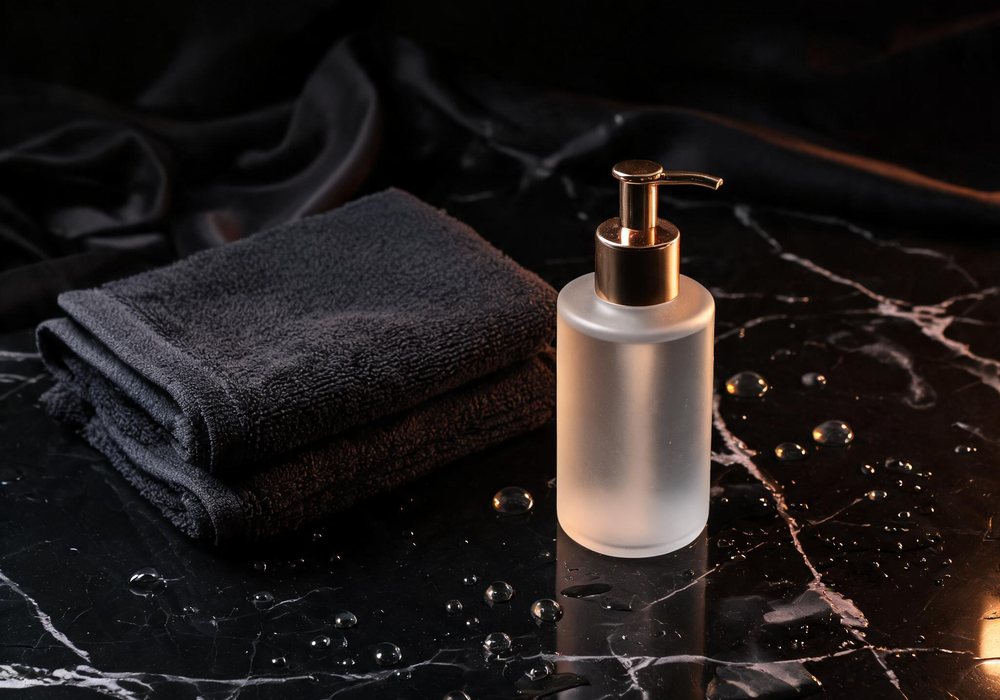
- The two-minute wind-down. Warm water, a little soap, a soft towel. Two minutes that protect your health and keep your toy feeling new for years.
- The morning-after check. A quick look before you put it away — dry, clean, ready for next time. It’s the difference between a toy that lasts and one that doesn’t.
Our Picks
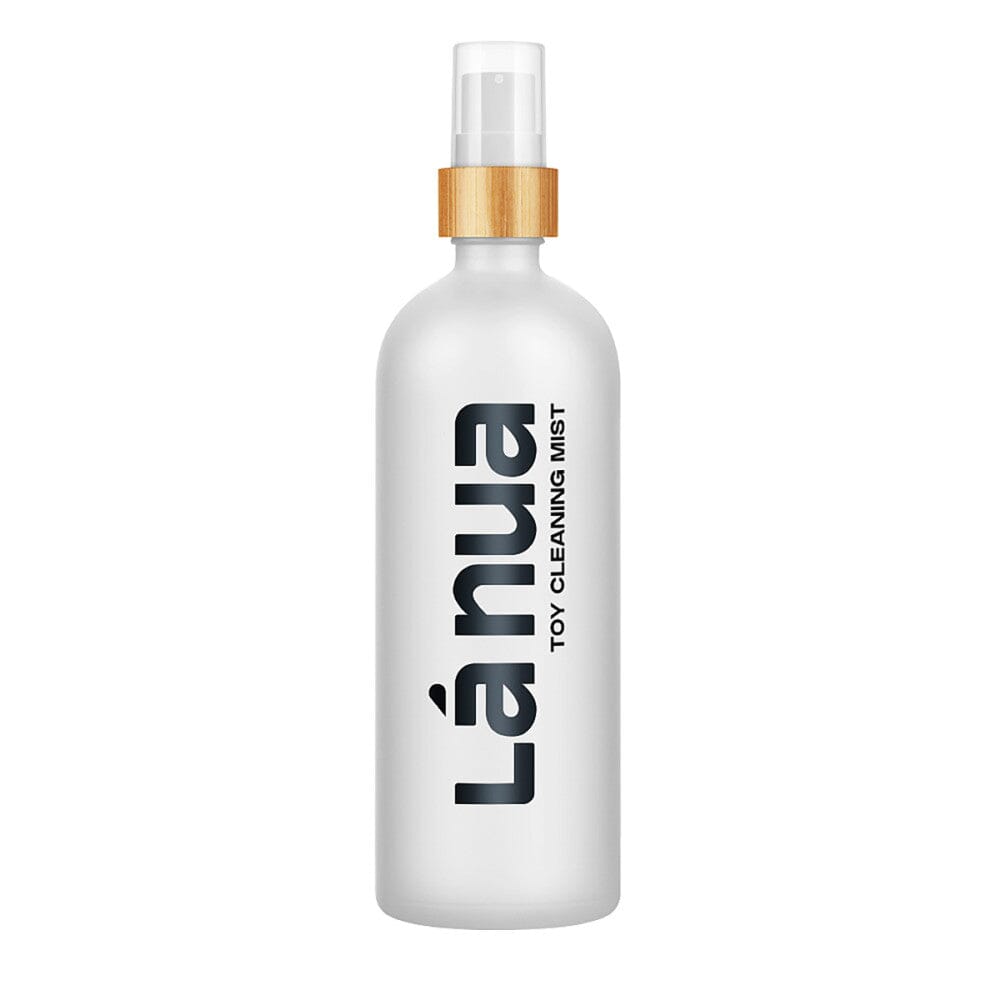
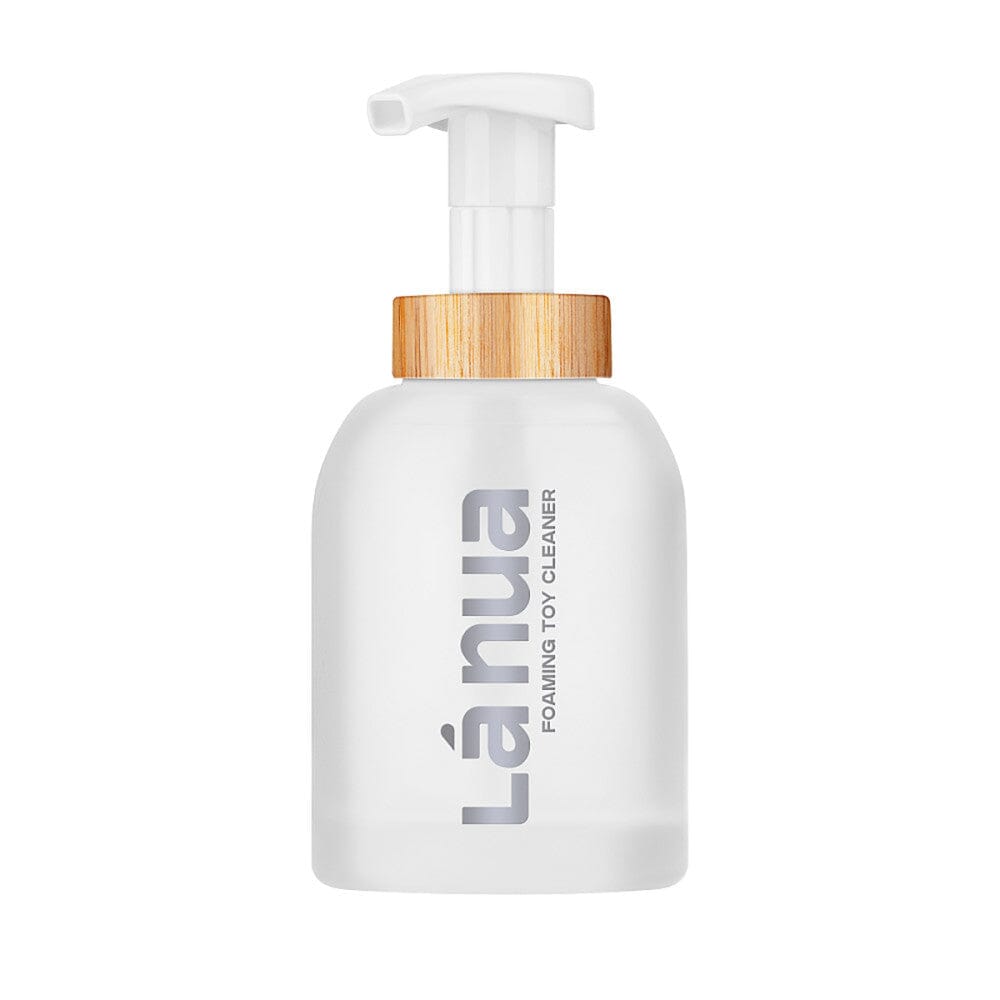
FAQ
How often should I clean my toys? Before and after every use. It takes two minutes and prevents bacteria buildup.
Can I boil a vibrator to sterilize it? No — boiling destroys the motor and electronics. Only motor-free silicone, glass, or steel toys can be boiled.
What’s the best everyday cleaner? Warm water and mild, unscented soap works for most non-porous toys. A dedicated toy cleaner is a convenient alternative.
How should I store silicone toys? Dry, separate, and in a breathable bag or sleeve. Avoid silicone touching silicone directly, which can cause surface damage.
Do I need to clean a toy if I used a condom on it? Yes — condoms reduce but don’t eliminate the need to clean. Wash as usual.
How do I clean a toy that isn’t waterproof? Wipe it down carefully with a damp, soapy cloth, avoiding the charging port and any seams. Never submerge it.
Can I use scented soap on my toys? Avoid it. Fragrance and harsh detergents can irritate sensitive skin and degrade materials. Mild, unscented soap is best.
How long does a well-cared-for silicone toy last? Years. Proper cleaning and storage are exactly what makes the difference between a toy that lasts and one that degrades in months.
What’s the difference between cleaning and sterilizing? Cleaning removes dirt and surface bacteria (daily soap + water); sterilizing kills nearly all microorganisms (boiling 3–5 min or a high-grade cleaner). Sterilize when sharing toys or after illness.
Do motorized and non-motorized toys clean differently? Yes. Motorized toys need care around the charging port and are only submersible if rated IPX7+; non-motorized silicone/glass/steel can be fully washed and boiled.
Keep your toys in top shape. Shop body-safe, easy-to-clean toys in our full collection.