

Lube is the most underrated upgrade in any bedroom. It makes everything smoother, more comfortable, and more enjoyable — yet most people either skip it or grab whatever’s on the shelf without knowing what they’re buying. That’s a mistake, because the three main types behave very differently, and using the wrong one can damage your toys or even your protection. This guide explains the differences, when to reach for each, and the one rule that saves your toys.
Only got time for a quickie?
- Water-based — the all-rounder. Works with everything, easy to clean, but dries out and needs reapplication.
- Silicone-based — lasts longest, waterproof. Never use it with silicone toys — it ruins the surface.
- Oil-based — the longest-lasting, but it degrades latex condoms and is hard to clean.
- When in doubt, water-based. It’s the safest default for almost any situation.
1. Why Lube Matters More Than You Think
Friction is the enemy of pleasure, and the body doesn’t always produce enough natural lubrication on its own — for a long list of reasons that have nothing to do with arousal: hormonal changes, medication, stress, or simply a longer session. Lube fills that gap. It reduces the micro-tears and irritation that can make sex or toy use uncomfortable, and research consistently links it to higher reported comfort and enjoyment. It isn’t a sign that something’s “wrong” — it’s a tool, and a very good one.
2. Water-Based Lube: The All-Rounder
Water-based lube is exactly what it sounds like — water is the main ingredient, with a thickening agent to give it slip. It’s the most versatile choice there is.
- Pros: compatible with every toy material (silicone, glass, steel, everything), safe with all condoms, washes off easily with water, and rarely stains sheets.
- Cons: it dries out and absorbs into the skin, so you’ll reapply more often, especially during longer sessions.
- Best for: everyday use, silicone toys, condom use, and anyone unsure where to start.
3. Silicone-Based Lube: Long-Lasting, But One Big Rule
Silicone lube is slicker and lasts far longer than water-based because it doesn’t absorb into the skin or evaporate. It also holds up in water, which makes it a favorite for shower and bath play.
- Pros: extremely long-lasting, waterproof, a little goes a long way, and it’s condom-safe.
- The one big rule: never combine silicone lube with silicone toys. Silicone bonds to silicone and permanently degrades the toy’s surface — it becomes sticky, tacky, and can’t be repaired. (This is the same chemistry behind our body-safe materials guide.)
- Best for: glass or steel toys, anal play, shower sex, and sessions where you don’t want to stop and reapply.
4. Oil-Based Lube: Powerful, But a Few Warnings
Oil-based lubes — coconut oil, mineral oil, and similar — are the most durable, but they come with real caveats.
- Pros: extremely long-lasting, natural options available (like coconut oil), and great for massage.
- Cons: degrades latex condoms (increasing breakage risk), hard to wash off, can stain, and isn’t compatible with some toys.
- Best for: massage, external play, and non-latex protection — but generally, water-based is a safer everyday bet.
5. Hybrid Lube: The Best of Both Worlds
Hybrid lubes are mostly water-based with a small amount of silicone added. They last longer than pure water-based while staying gentler on toys than pure silicone.
- Pros: longer-lasting than water-based, easier to clean than pure silicone, and generally toy-safe.
- Cons: with a high silicone content, treat it like silicone lube around silicone toys.
- Best for: people who want more longevity without the cleanup hassle of pure silicone.
6. Side-by-Side Comparison
| Type | Lasts | Silicone toys? | Condoms? | Cleanup |
|---|---|---|---|---|
| Water-based | Short | ✅ Safe | ✅ Safe | Easy |
| Silicone-based | Long | ❌ Ruins them | ✅ Safe | Moderate |
| Oil-based | Longest | ⚠️ Check | ❌ Breaks latex | Hard |
| Hybrid | Medium-long | Mostly safe | ✅ Safe | Easy-moderate |
7. How to Choose (The Simple Version)
- Silicone toys? → water-based, always.
- Using condoms? → water-based or silicone-based, never oil.
- Shower or bath? → silicone-based (water-based washes away).
- Anal play? → a thicker formula or silicone-based, and use more than you think.
- Not sure? → water-based. It’s never the wrong answer.
8. The Moment It Helps
Lube isn’t just for “when you need it” — it changes how a moment feels:
- The comfortable first time. Trying a new toy for the first time, the extra slip turns “careful” into “comfortable.” A few drops of water-based lube make all the difference.
- The long, slow evening. When you don’t want to stop and reapply, a silicone-based lube keeps everything smooth from start to finish — no interruptions.
- The shower. Steam rising, warm water running, and a silicone lube that doesn’t wash away. Water-based would be gone in seconds; silicone stays.
- The massage that turns into more. An oil-based lube that doubles as a massage oil — warm it in your hands first, and the transition is seamless.
9. Common Myths, Busted
- “Needing lube means something’s wrong.” Not at all. Natural lubrication varies with hormones, medication, and stress — lube is a tool, not a diagnosis.
- “Any lube works with any toy.” No. Silicone lube on a silicone toy permanently ruins it. This is the most common (and most expensive) mistake.
- “A little dab is enough.” More is almost always better. You can’t really use too much lube; you can definitely use too little.
- “Oil-based lube is always safe.” It degrades latex condoms and can be hard to clean. Natural doesn’t automatically mean condom-safe.
Toys That Pair Perfectly With Lube
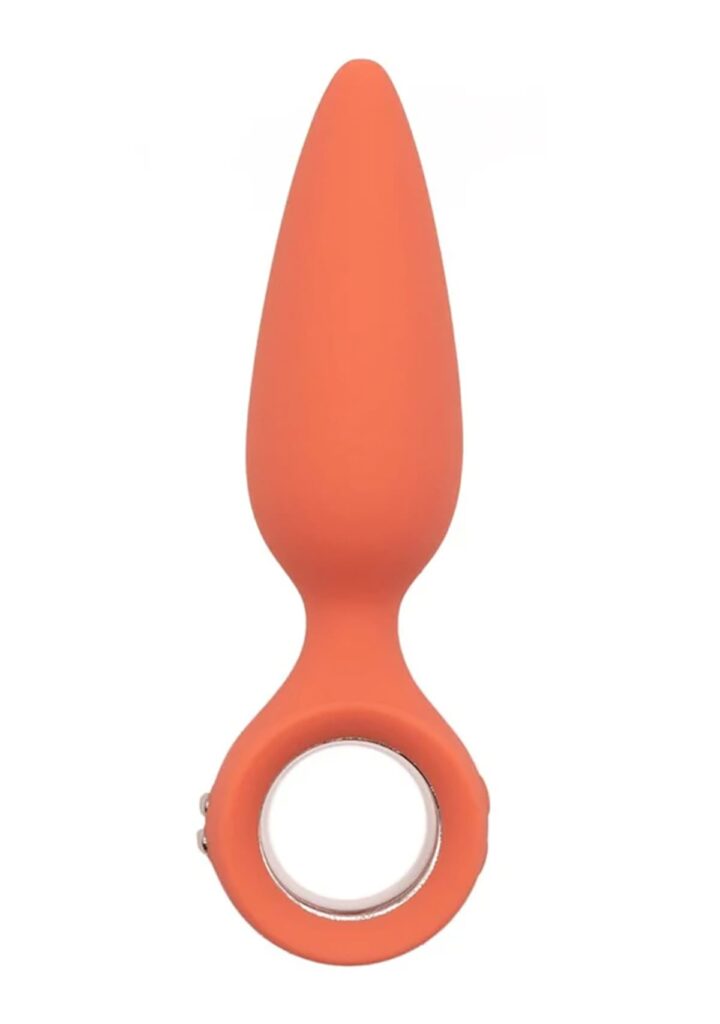
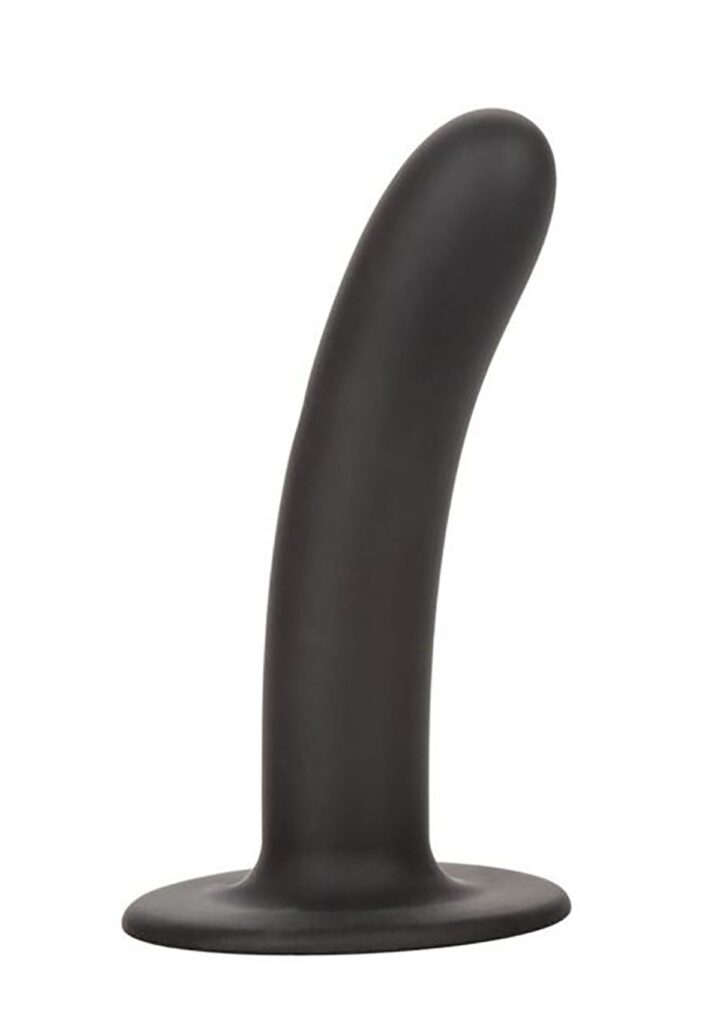
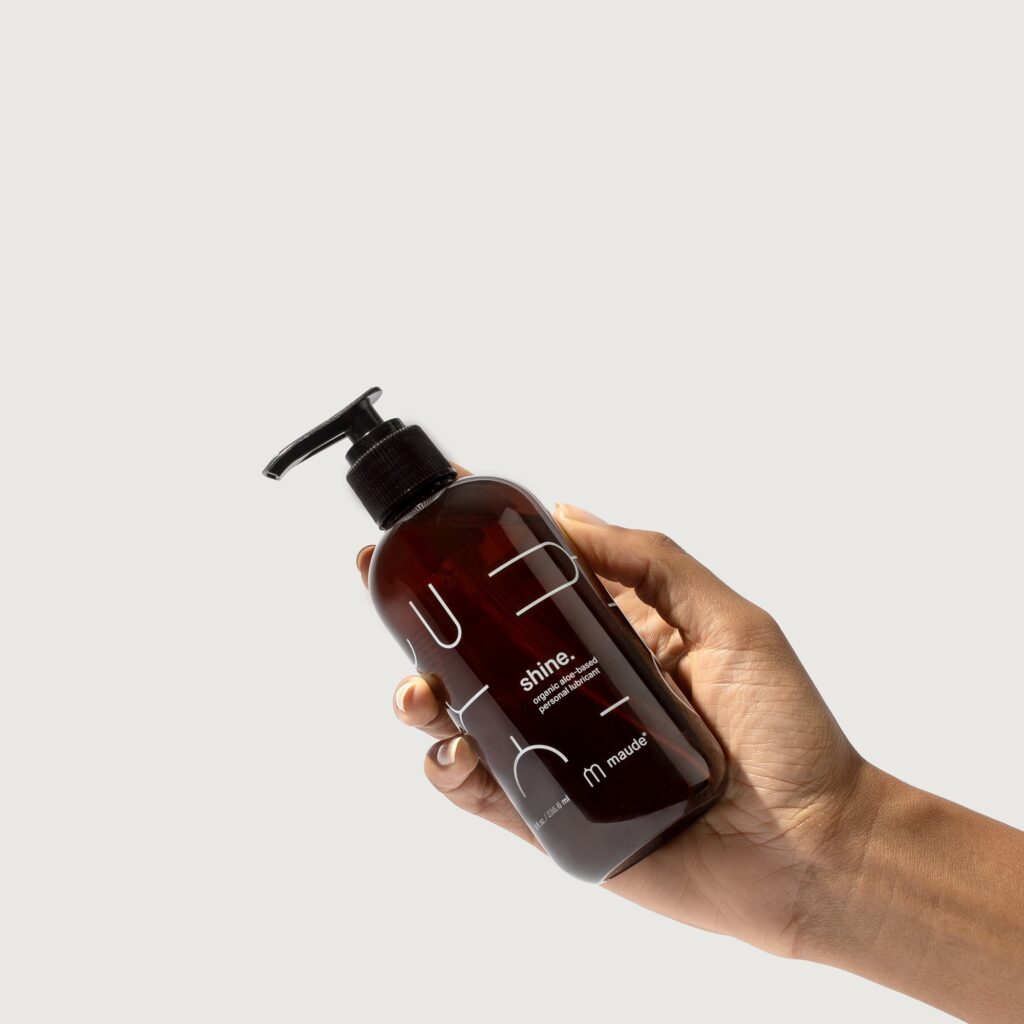
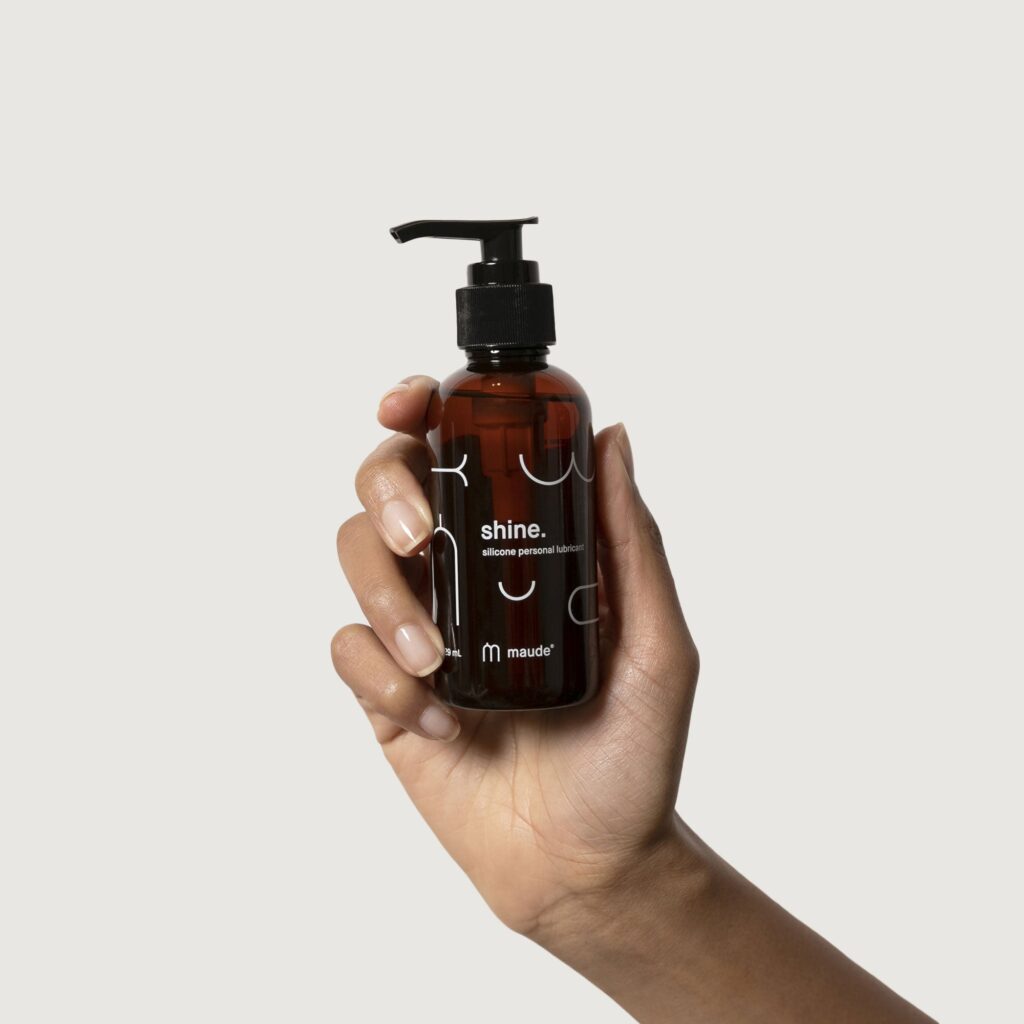
Lube is the essential partner for these picks — anal toys especially should never be used without it:
Our Picks

FAQ
What’s the difference between water-based and silicone-based lube? Water-based is water-soluble, washes off easily, and works with everything but dries out faster. Silicone-based lasts much longer and is waterproof, but it degrades silicone toys.
Can I use silicone lube with silicone toys? No. Silicone bonds to silicone and permanently ruins the toy’s surface. Use water-based lube with silicone toys, always.
What lube is safe with condoms? Water-based and silicone-based are both condom-safe. Oil-based lube degrades latex and increases breakage risk.
Why does water-based lube dry out? Because it’s water-soluble, it absorbs into the skin and evaporates. Reapply as needed, or add a little water to reactivate it.
What’s best for anal play? A thicker water-based formula or a silicone-based lube, used generously. The anus doesn’t self-lubricate, so more is better here.
Can I use coconut oil as lube? It works as an oil-based lube and is great for massage, but it degrades latex condoms and can be hard to clean. Avoid it with latex protection.
What is hybrid lube? A blend of water-based lube with a small amount of silicone. It lasts longer than pure water-based while staying gentler on toys — but treat high-silicone hybrids like silicone lube.
Is lube safe for sensitive skin? Most water-based lubes are gentle, but fragrances and glycerin can irritate some people. If you’re sensitive, look for fragrance-free, glycerin-free formulas.
How much lube should I use? More than you think, then a little more. You can’t really overdo it, and under-doing it is the far more common problem.
Does lube affect trying to conceive? Some lubes can reduce sperm motility, so if you’re trying to conceive, look for a fertility-friendly formula and check the label.
Ready to upgrade your experience? Browse our full collection — and pair your toys with the right lube every time.