
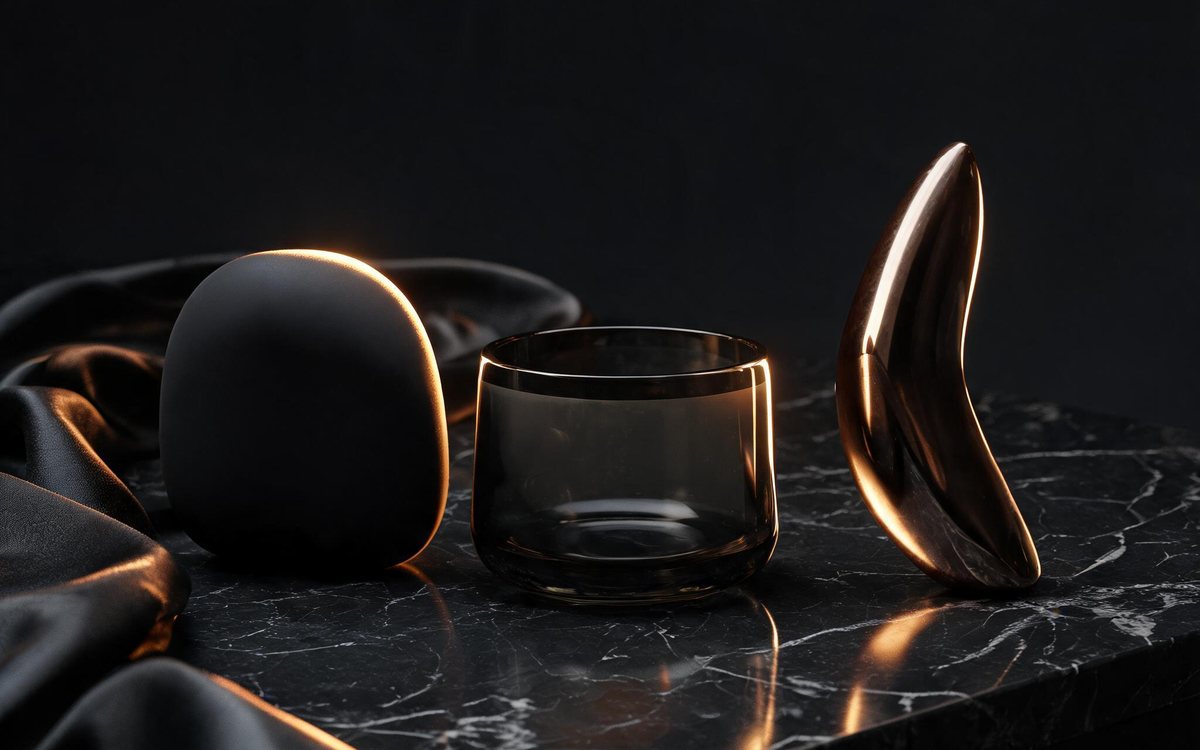
Two sex toys can look identical and feel completely different in safety, longevity, and sensation — because what a toy is made of matters more than its price tag. This guide explains the real difference between body-safe and porous materials, so you can shop with confidence and avoid the cheap toys that cause more problems than pleasure.
Only got time for a quickie?
- Non-porous = body-safe: silicone, glass, stainless steel. Porous = TPE, TPR, jelly, PVC.
- Porous toys trap bacteria permanently — no amount of washing makes them clean.
- Silicone needs water-based lube only — silicone lube destroys the surface.
- Phthalate-free ≠ non-porous — a TPE toy can be phthalate-free and still harbor bacteria.
- If a full-size silicone toy is under $20, it’s probably not silicone.
1. Why Material Is the #1 Rule
Sex toys touch the most sensitive, absorbent parts of the body, so the key distinction is porous vs. non-porous:
- Non-porous (body-safe): silicone, glass, stainless steel. Smooth at a microscopic level, so bacteria can’t penetrate. They can be fully cleaned and sterilized, and won’t leach chemicals.
- Porous: TPE, TPR, jelly, PVC. Full of microscopic holes that trap bacteria, fluids, and odors — permanently. No amount of washing makes them truly clean.
This isn’t marketing spin — it’s a genuine health distinction. Porous insertable toys are linked to infections and irritation.
2. Silicone: The Gold Standard
Medical-grade and platinum-cured silicone is the best all-round choice for almost every toy.
- Pros: non-porous, hypoallergenic, easy to clean, warms to body temperature, ranges from silky-soft to firm.
- Cons: costs more, and one critical rule — water-based lube only. Silicone lube bonds to silicone and permanently ruins the surface.
3. TPE and TPR: Proceed with Caution
Thermoplastic elastomers are common in budget toys because they’re cheap and very soft. That softness has a cost:
- Pros: inexpensive, extremely soft and squishy.
- Cons: porous — traps bacteria, can’t be sterilized, and may contain phthalates (chemical softeners linked to health concerns). Over time it degrades and gets sticky.
- Verdict: acceptable only for external, short-term use — or with a condom. Never for insertion without a barrier.
4. Glass and Steel: Beautiful, Safe, Indestructible
| Material | Body-safe? | Feel | Special feature |
|---|---|---|---|
| Borosilicate glass | Yes | Firm, smooth | Temperature play |
| Stainless steel | Yes | Heavy, firm | Deep pressure |
- Glass: non-porous, works with any lube, shatter-resistant. The trade-off: firm with no flex.
- Steel: non-porous, unbreakable, works with any lube, and its weight delivers deep pressure for G-spot and P-spot stimulation.
5. How to Spot Body-Safe Before You Buy
- Read the material — reputable brands list it clearly. If a listing says “jelly” or “soft plastic” or won’t tell you, walk away.
- Price is a signal — a full-size silicone toy under $20 is almost never actually silicone.
- The flame test (only on toys you own and don’t mind damaging): real silicone withstands a brief flame and leaves white ash; TPE and jelly melt and smoke.
6. How to Care for Each Material
- Silicone: wash with warm water and mild soap or toy cleaner; boil or use a cleaner to sterilize; store dry in a breathable bag.
- Glass and steel: wash and sterilize freely — they tolerate boiling, toy cleaner, and any lube.
- TPE/TPR (if you must): wash thoroughly, always use a condom for insertion, and replace more often — porous toys have a shorter safe lifespan.
7. Common Myths, Busted
- “All sex toys are basically the same.” The material alone changes safety, sensation, and lifespan dramatically. Two lookalikes can be worlds apart.
- “Silicone toys can share any lube.” No — silicone lube bonds to silicone toys and ruins them. Water-based only.
- “If it’s phthalate-free, it’s safe.” Phthalate-free ≠ non-porous. TPE can be phthalate-free and still trap bacteria.
- “Expensive means body-safe.” Price is a signal, not a guarantee. Always check the material, whatever the price tag.
Body-Safe Picks From Our Store
How Material Feels in Your Hand
Material isn’t abstract — it’s the first thing you feel. Here’s what each one does to your senses:
- Silicone, warm from your skin. It takes on your body’s temperature within moments, so it never feels foreign — just an extension of you.
- Glass, cool to the touch. The first touch is a small shock, then it warms slowly in your hand. Run it under warm or cool water and it holds the temperature you choose.
- Steel, heavy with presence. The weight alone tells you it’s substantial. For some, that deep pressure is exactly what’s been missing.
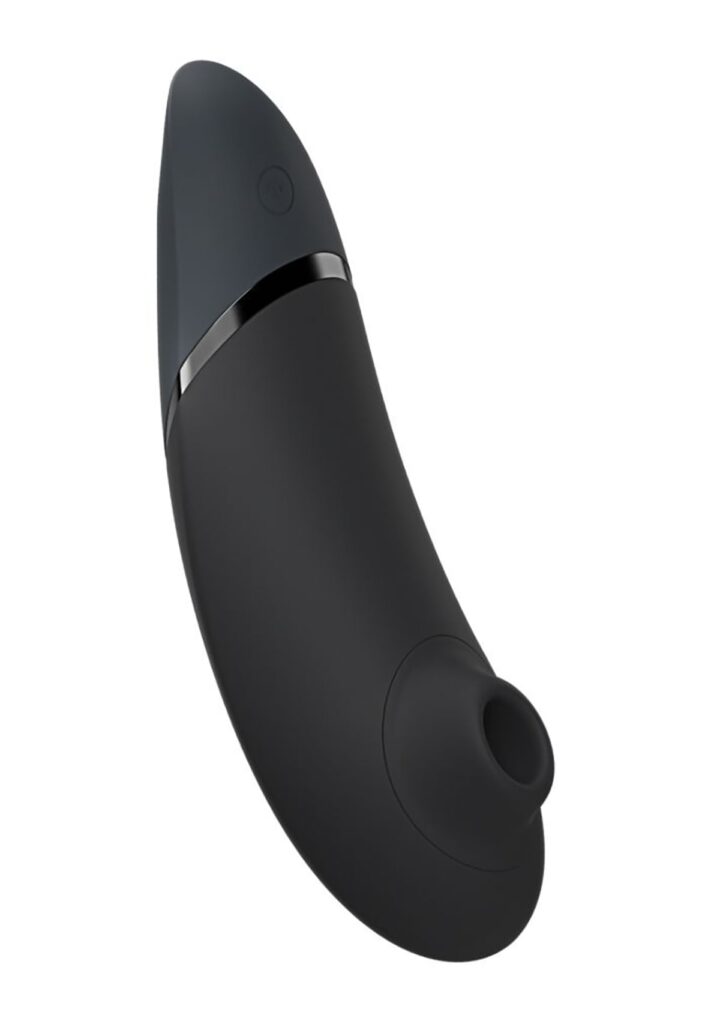
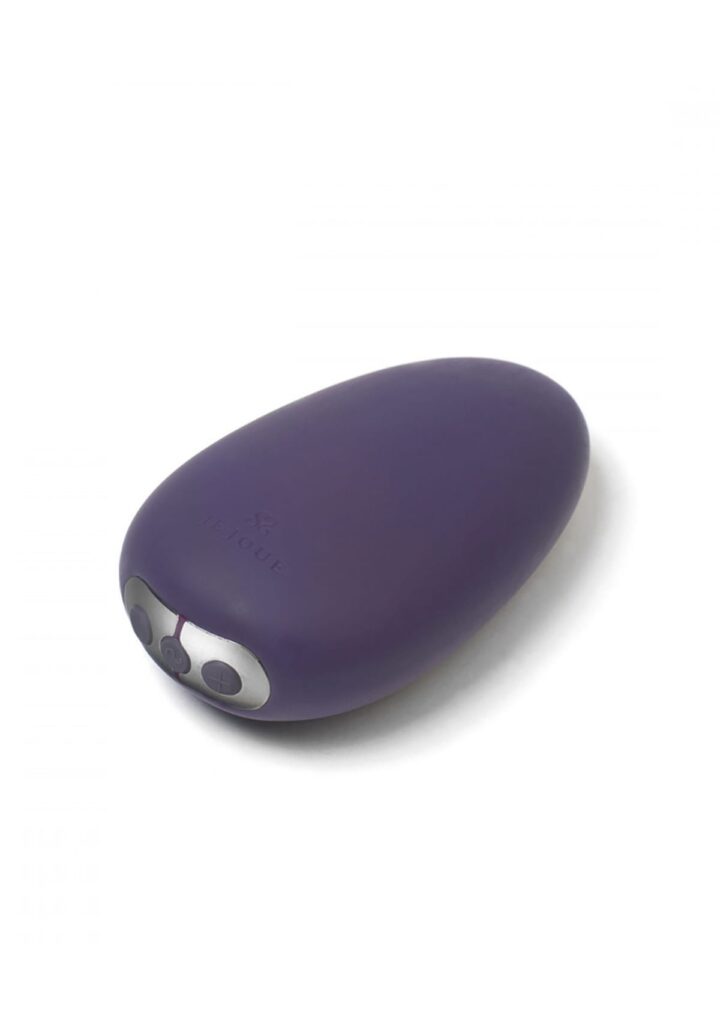
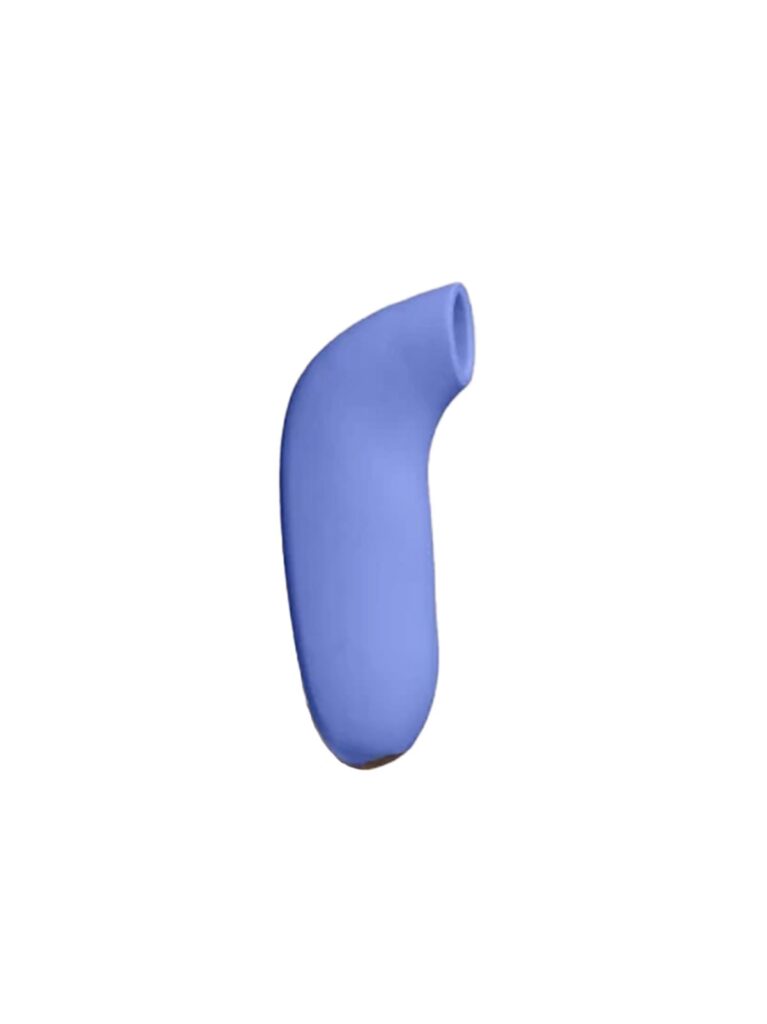
Our Picks

FAQ
Is “body-safe” the same as “hypoallergenic”? Close, but not identical. Non-porous is about cleanliness and chemical safety; hypoallergenic means unlikely to cause an allergic reaction. Medical-grade silicone is both.
Can silicone toys share lube? Use water-based lube with silicone toys — never silicone-based lube, which degrades the surface.
How long does a silicone toy last? Years, with basic care. That’s part of why it’s worth the upfront cost over porous toys that need replacing.
What about “body-safe” TPE labels? Some brands market TPE as body-safe because it’s phthalate-free — but it’s still porous. Phthalate-free ≠ non-porous. Stick to silicone, glass, or steel for anything insertable.
How do I clean a silicone toy properly? Warm water and mild, unscented soap or a dedicated toy cleaner after every use. For full sterilization, boil pure silicone (no motor parts) for a few minutes.
Can glass toys break? Borosilicate glass is shatter-resistant and safe for normal use, but don’t drop it on a hard floor from height. Minor surface scratches are cosmetic, not a safety issue.
Why do silicone toys sometimes feel sticky? That’s usually silicone-lube damage, not the toy itself. Use water-based lube and store silicone toys away from other silicone items to prevent it.
Is stainless steel worth the price? If you like firm, heavy pressure — especially for G-spot or P-spot — yes. Steel is indestructible, body-safe, and works with any lube. It’s a lifetime purchase.
Shop with confidence. Every toy we carry is selected for body-safe materials — browse the full collection.