
Your first vibrator is a bigger decision than it looks — the right one can change how you experience pleasure entirely, while the wrong one can put you off for good. This guide breaks down the types, the materials, the features worth paying for, and the patterns you’ll actually use, so you can choose with confidence instead of guessing.
Only got time for a quickie?
- Rumbly beats buzzy — deep vibrations are more satisfying and less likely to numb you.
- Match the toy to the anatomy — a clitoral sucker, a wand, or a bullet all feel different.
- Body-safe silicone only — non-porous, cleanable, and worth the extra cost.
- Rechargeable beats battery — consistent power and no mid-session battery panic.
- Waterproof is worth it — for the shower, the tub, and easy cleaning.
1. The Main Types, Compared
| Type | Best for | Intensity | Beginner? |
|---|---|---|---|
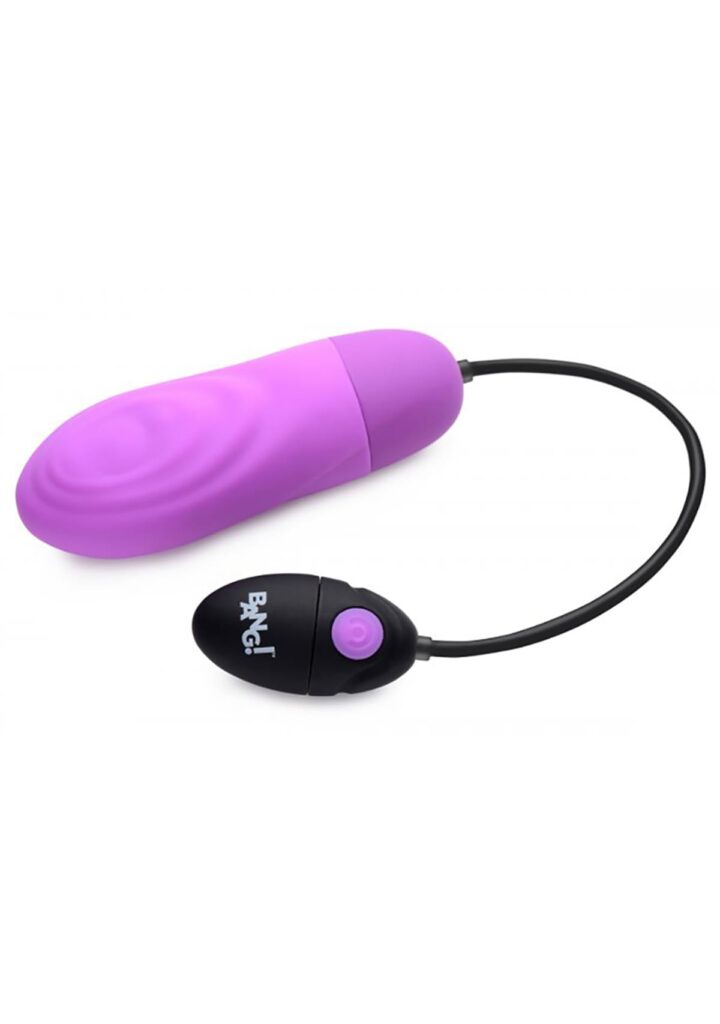
| Bullet / mini vibe | Pinpoint clitoral stimulation | Low–med | Yes — best first buy |
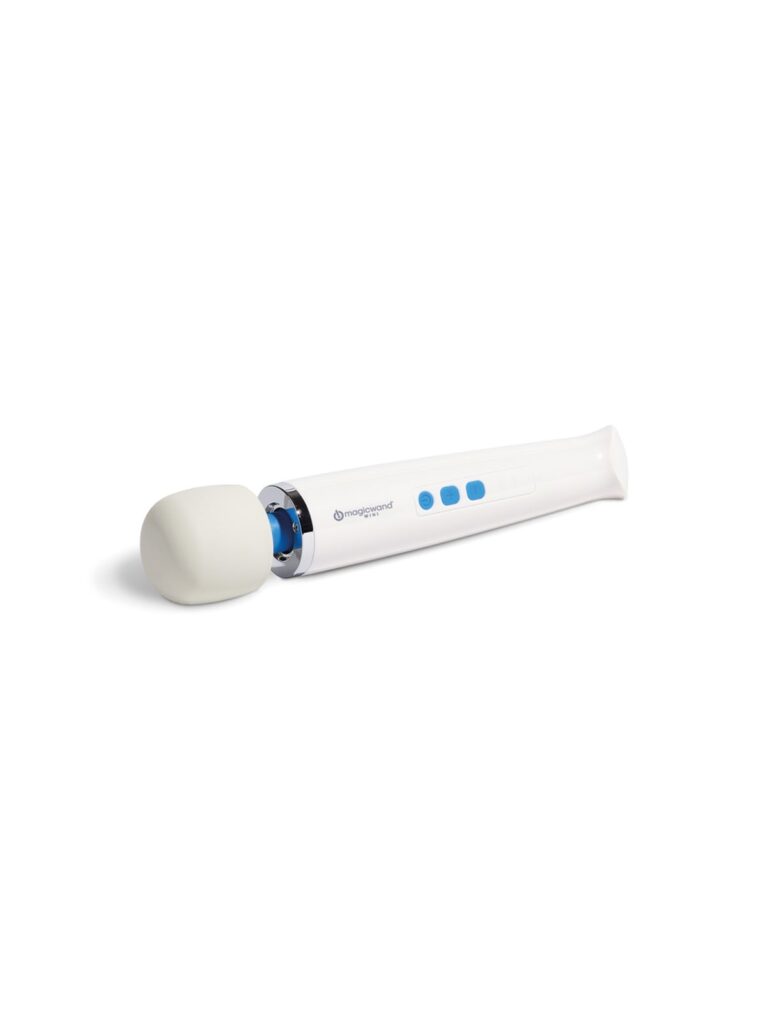
| Wand | Broad, powerful, all-over | High | Yes, if you like power |
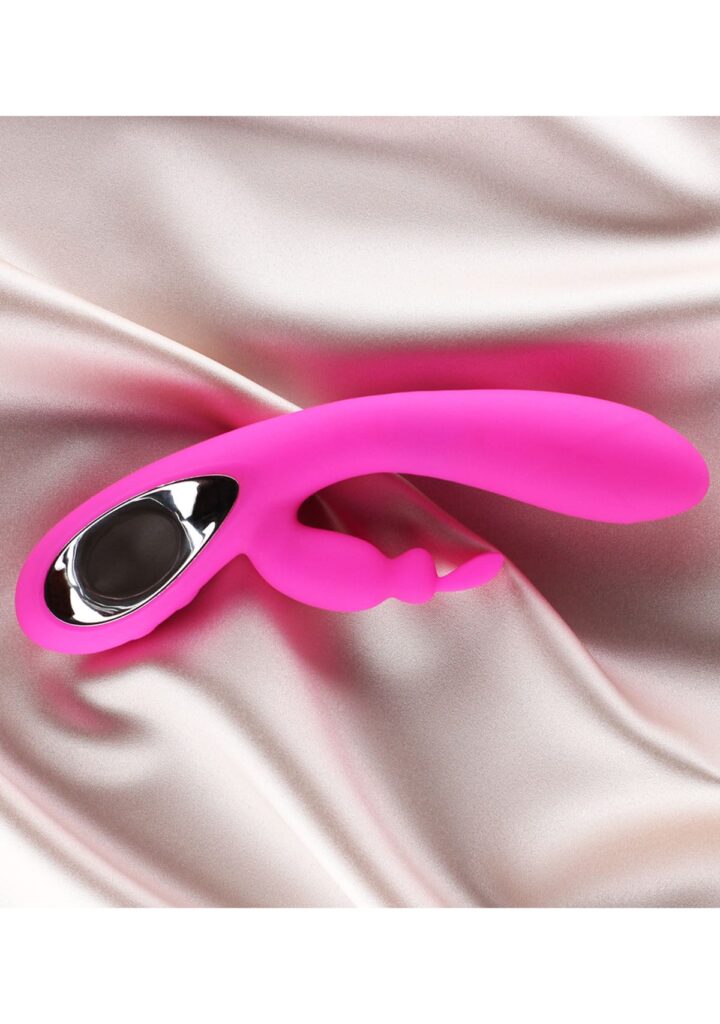
| Rabbit | Dual clitoral + G-spot | Med–high | Good second toy |
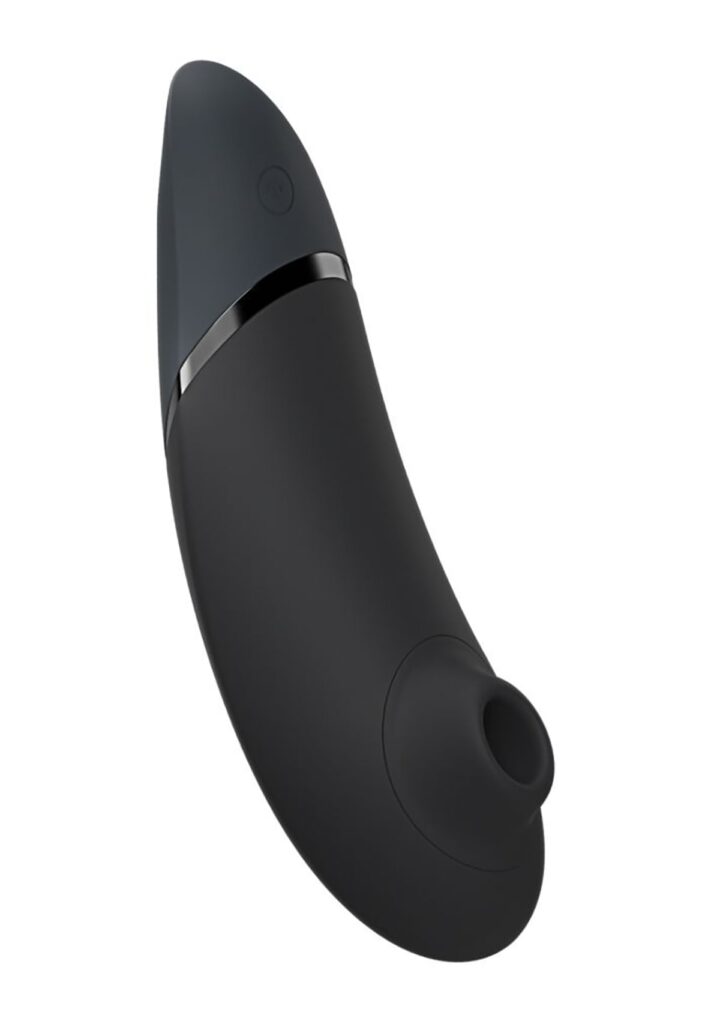
| Clitoral sucker | Air-pulse, “oral-like” | Med–high | Yes — modern favorite |
| G-spot vibrator | Curved, internal | Med | With guidance |
Which Toy Fits Your Moment?
The best vibrator isn’t the most powerful one — it’s the one that fits the moment you actually live in. Here’s how each type slots into real life:
- The hotel-room secret (bullet / mini). An overnight bag, a drawer in a borrowed room, a toy no bigger than a lipstick. Quiet enough to be your own, anywhere — ten minutes at the end of the day that belong entirely to you.
- The long, slow evening (wand). A hot shower, a towel, the lights dimmed. The low, steady hum in a quiet room is the sound of having nowhere else to be. No rushing — just the slow build.
- The want-it-all night (rabbit). Some nights you don’t want to choose between two sensations, or reach for a second toy halfway through. A rabbit does both at once, so you can stay exactly where you are.
- The close-your-eyes moment (clitoral sucker). Eyes closed, the soft pulse of air doing the work. It’s the closest thing many people find to being completely, attentively taken care of.
- The go-anywhere daily (rechargeable & waterproof). The shower, the tub, the weekend away. A toy that charges by USB and shrugs off water fits whatever the day turns into.
2. Rumbly vs. Buzzy: The Quality Question
This is the difference most reviews gloss over. Rumbly vibrations are deep and low-frequency — they travel through tissue and feel like a massage. Buzzy vibrations are shallow and high-frequency — they sit on the surface, can feel itchy, and often numb the area. Cheaper toys are almost always buzzy; quality motors deliver rumble. When you can, read reviews for the word “rumbly” — it’s the single best predictor of a toy you’ll actually keep using.
3. Patterns and Intensity: What You’ll Actually Use
Most vibrators advertise a dozen or more modes, but most people settle on two or three favorites. Here’s what the labels actually mean:
- Continuous / steady — a constant, unchanging vibration. The workhorse setting most people default to.
- Pulsing / pulse — the vibration swells and fades in a rhythm. Builds anticipation and is often gentler than steady.
- Escalating — intensity climbs steadily, then resets. Good for edging.
- Patterns (wave, tap, etc.) — novelty rhythms that are fun to explore but rarely become your go-to.
The takeaway: don’t pay extra for 30 patterns you’ll never use. A solid motor with 3–5 well-designed speeds and one or two pulses beats a toy with 20 forgettable modes.
4. Material Matters Here Too
Anything that vibrates is going to spend a lot of time against the most sensitive skin on your body. Stick to body-safe silicone — non-porous, hypoallergenic, and easy to clean. Avoid jelly and TPE/TPR toys, which are porous and can harbor bacteria. (For the full breakdown, see our body-safe materials guide.)
5. Features Worth Paying For
- Rechargeable (USB) — consistent power, no batteries. Look for magnetic or port charging.
- Multiple settings — at least a few speeds and patterns; you’ll use more than one.
- Waterproof — IPX7 or “submersible” means safe for the shower and easy to clean.
- Low noise — matters more than most people expect, especially if you share a home.
- Lock / travel function — so it doesn’t buzz on in your bag.
6. Advanced Picks (When You’re Ready to Upgrade)
- Dual-motor rabbits — separate motors for the shaft and the clitoral arm, each independently controlled. The depth is worth the step up in price.
- App-controlled and remote toys — ideal for long-distance couples; control from a phone anywhere in the world.
- Dual stimulation (air-pulse + vibration) — combines clitoral suction with internal vibration for those who want both at once.
7. Your Buying Checklist
- Body-safe silicone — non-porous, hypoallergenic.
- Rumbly, not buzzy — check reviews for the word “rumbly.”
- Rechargeable — USB, with a travel lock.
- Waterproof (IPX7) — for versatility and easy cleaning.
- A few good speeds — not 30 forgettable patterns.
- Matches your anatomy — clitoral vs G-spot vs both.
8. Common Myths, Busted
- “The strongest vibration is always best.” Power without the right kind of vibration (rumbly vs buzzy) is just noise. Placement and type matter as much as intensity.
- “You’ll only like one kind of toy.” Most people enjoy several. Start with one, then explore — a clitoral sucker and a wand feel completely different.
- “Cheaper toys are a fine way to test the waters.” A cheap buzzy toy is more likely to turn you off than to “test” anything. A modestly priced silicone toy is a better first impression.
- “Vibrators are only for solo use.” They’re brilliant during partnered sex too — for both partners.
Our Picks for a First Vibrator
Our Picks
FAQ
Which vibrator is best for a total beginner? A bullet or mini vibe is the classic first buy — small, unintimidating, and pinpoint. A clitoral sucker is a strong modern alternative if you like targeted, oral-style stimulation.
What’s the difference between rumbly and buzzy? Rumbly is deep and low-frequency (travels through tissue); buzzy is shallow and high-frequency (sits on the surface, can numb). Quality toys are rumbly.
Is a clitoral sucker right for me? If you respond to direct, focused clitoral stimulation, yes. It uses air pulses rather than vibration, and many people describe it as the most intense, satisfying sensation available.
How much should I spend on a first vibrator? Enough to get real silicone and a quality motor — typically $30–$80 for a solid first toy. It’s a better investment than several cheap ones.
Can I use a vibrator with a partner? Absolutely. Many couples use a bullet or wand together during sex. It’s one of the most reliable ways to close the “orgasm gap.”
How do I clean a vibrator? Warm water and mild soap or toy cleaner after every use, then air dry. Check the IPX rating before submerging a non-waterproof toy.
Do I need lube with a vibrator? A drop of water-based lube makes everything smoother and more comfortable — yes, worth having on hand.
How long do rechargeable vibrators last? Most run 60–90 minutes on a charge. Charging time is usually 1–2 hours via USB.
What do the different vibration patterns mean? Continuous is a steady buzz (the workhorse), pulse swells and fades in rhythm, and escalating climbs steadily. Most people settle on 2–3 favorites, so don’t overpay for dozens of modes.
Are app-controlled vibrators worth it? For long-distance couples, absolutely — you can control the toy from a phone anywhere. For solo use, the extra cost usually isn’t necessary.
Ready to choose? Shop our full vibrator collection.