

Walk into any sex toy store — online or otherwise — and the dildo wall is the most intimidating part. Dozens of shapes, sizes, and materials, all claiming to be “the one.” No wonder so many first-time buyers freeze, grab something at random, and end up with a toy they never use. This guide cuts through the noise so your first dildo is one you’ll actually reach for again.
Only got time for a quickie?
- Material is non-negotiable: silicone, glass, or steel — never porous jelly, PVC, or TPE for insertion.
- Start smaller than you think: 5–7 inches long, 1.25–1.5 inches in diameter is the comfortable beginner range.
- Girth matters more than length — a toy too wide is how beginners end up sore and discouraged.
- A flared base or suction cup is worth paying for: safety plus hands-free options.
- Silicone toys need water-based lube — silicone lube destroys them.
- Wash after every use with warm water and mild soap or toy cleaner.
Why Do People Use Dildos?
The reasons are as varied as the people who use them. Some want G-spot or prostate stimulation they can’t get from fingers alone. Some use one with a partner as foreplay, or in a strap-on for pegging. Others simply enjoy the feeling of fullness and control. Dildos are also a judgement-free way to explore your own body and learn what you respond to — knowledge that carries over into every other kind of sex. There’s no “right” reason, and no wrong one.
1. Material Is the Non-Negotiable First Decision
A dildo goes inside your body, so what it’s made of matters more than anything else on the spec sheet. Here’s the honest comparison:
| Material | Body-safe? | Feel | Lube | Best for |
|---|---|---|---|---|
| Silicone | Yes — non-porous | Soft, warms to body | Water-based only | Almost everyone |
| Glass | Yes — non-porous | Firm, smooth | Any | G-spot pressure, temperature play |
| Stainless steel | Yes — non-porous | Heavy, firm | Any | Deep pressure |
| TPE / TPR / jelly / PVC | No — porous | Very soft | Any | Avoid for insertion |
What to avoid: jelly, PVC, and TPE/TPR are porous — they trap bacteria, can’t be sterilized, and may contain phthalates. If a full-size toy costs less than a pizza and won’t tell you the material, walk away.
2. Size: Start Smaller Than You Think
Every beginner overestimates what they can comfortably take. The numbers that actually matter:
- Length: 5–7 inches is the comfortable sweet spot. Only the insertable length counts — a 9-inch toy might have 2 inches of base.
- Girth (diameter): this matters far more than length. 1.25–1.5 inches in diameter is approachable for most bodies. Above 1.75 inches as a beginner is how people end up sore.
A useful test: before buying, compare the girth to your own fingers. If you can comfortably take two fingers, a 1.25-inch toy is a safe bet. Think of the first dildo as a starter — you can always size up later, but you can’t undo a toy that’s too big too soon.
3. Shape: What Do You Want It to Hit?
- Straight — all-purpose, ideal for learning what you like.
- Curved (G-spot / P-spot) — a gentle upward curve targets the front wall of the vagina (the G-spot sits about 2–3 inches inside) or the prostate in anal use. Angle the curve toward your belly button.
- Realistic — textured with veins and a defined head, often with a pair of balls. For people who want a lifelike feel.
- Non-realistic / artistic — smooth, colorful, abstract. A great choice if realistic detail isn’t your thing.
4. Don’t Skip the Base
The base is the most underrated part of a dildo, and it’s a genuine safety issue.
- Flared base — non-negotiable for anal use. Toys without a flared base can slip fully inside and require a hospital trip to remove. The industry rule: “no flared base, gone without a trace.”
- Suction cup base — sticks to any smooth flat surface for hands-free play (shower wall, mirror, tile, a chair). It also makes the dildo strap-on compatible.
5. How to Actually Use It
For vaginal play: warm up with external stimulation first, then insert slowly. Angle the tip toward your belly button to find the G-spot, and try a slow “come-hither” motion rather than fast thrusting — steady pressure often feels best at first. Keep a hand free for clitoral stimulation; most people don’t orgasm from penetration alone.
For anal play: go slower, use more lube, and start smaller. Begin with a finger or a slim toy before sizing up. The rectum doesn’t self-lubricate, so coat both the toy and yourself generously. Always use a flared base, and never go from anal to vaginal without cleaning or changing condoms.
For partnered play: a dildo makes great foreplay, and it lets a partner control the angle and rhythm. Communication is everything — check in about what feels good and what doesn’t.
6. Beyond the Basics
Once you’re comfortable, a dildo opens up more than the obvious:
- Temperature play: glass and steel dildos can be warmed in water or chilled in the fridge for a completely different sensation. Test on your wrist first.
- Hands-free with a suction cup: stick it to the shower wall, a mirror, or a chair, and experiment with positions (squatting, all-fours) without holding anything.
- Double-ended and vibrating options: some dildos vibrate, and double-ended ones are made for sharing. These are the next step once a basic dildo feels comfortable.
- Strap-on play: any flared-base dildo can go into a harness — see our strap-on guide for how that works.
7. Common Myths, Busted
- “Bigger is better.” Not for beginners — and not even for everyone experienced. Sensation is about angle, rhythm, and stimulation, not size.
- “You need a realistic one to start.” Not at all. Smooth, non-realistic dildos are often more comfortable and less intimidating for first-timers.
- “Cheap toys are fine to try out.” A cheap porous toy is a health risk, not a bargain. One quality silicone dildo beats three cheap ones.
- “You’ll know immediately if you like it.” Like anything new, dildos can take a few sessions to feel natural. Patience and lube solve most first-time problems.
8. Cleaning and Storage
- Wash with warm water and mild, unscented soap or a dedicated toy cleaner after every use.
- Silicone, glass, and steel can all be sterilized (boil silicone/glass/steel, or use a toy cleaner).
- Dry completely before storing — a breathable fabric bag beats a sealed plastic container.
Our Picks for Beginners
Three body-safe, beginner-friendly options to start with — each selected for comfort and quality:
Which Moment Are You Looking For?
A dildo isn’t one experience — it’s several, depending on the moment. Here’s how different choices map to different moods:
- The slow solo ritual. Candles lit, music low, an hour that belongs to no one else. You set the pace entirely — there’s no finish line, only what feels good in the moment.
- The shared night. You and your partner, exploring together. A dildo in a partner’s hands becomes something new — a way to be present with someone else, not just yourself.
- The hands-free shower. A suction-cup base against the tile, steam in the air, warm water running. It holds itself in place so your hands are free for everything else.
- The temperature surprise. Glass or steel, warmed in your hand or cooled under the tap. The sudden shift in temperature is a sensation silicone can’t give you.
Our Picks
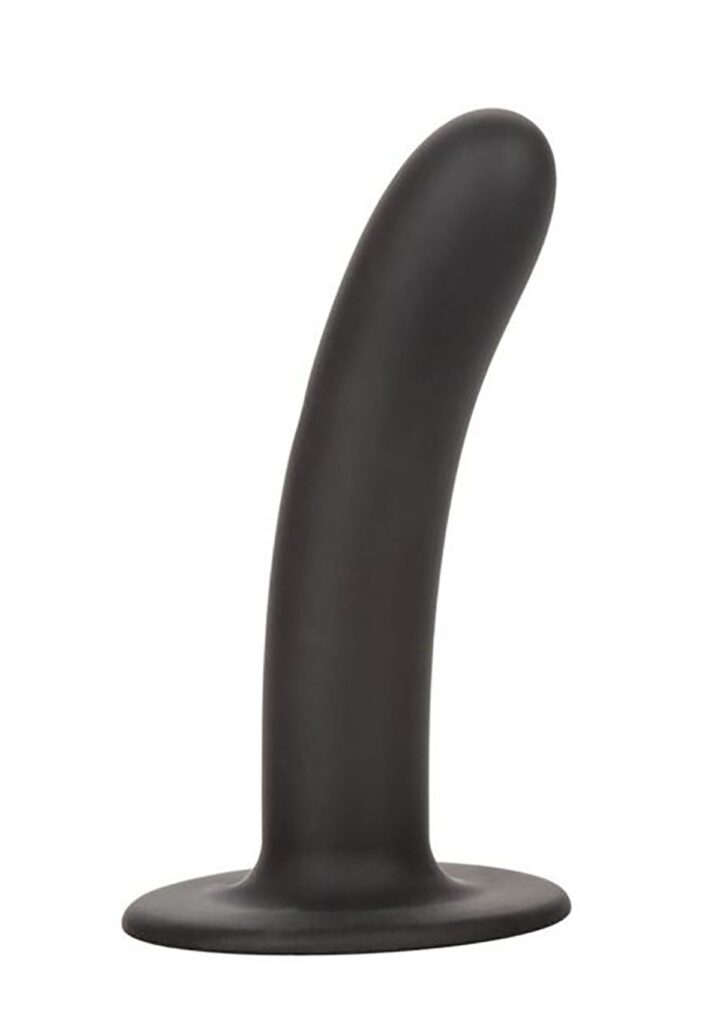
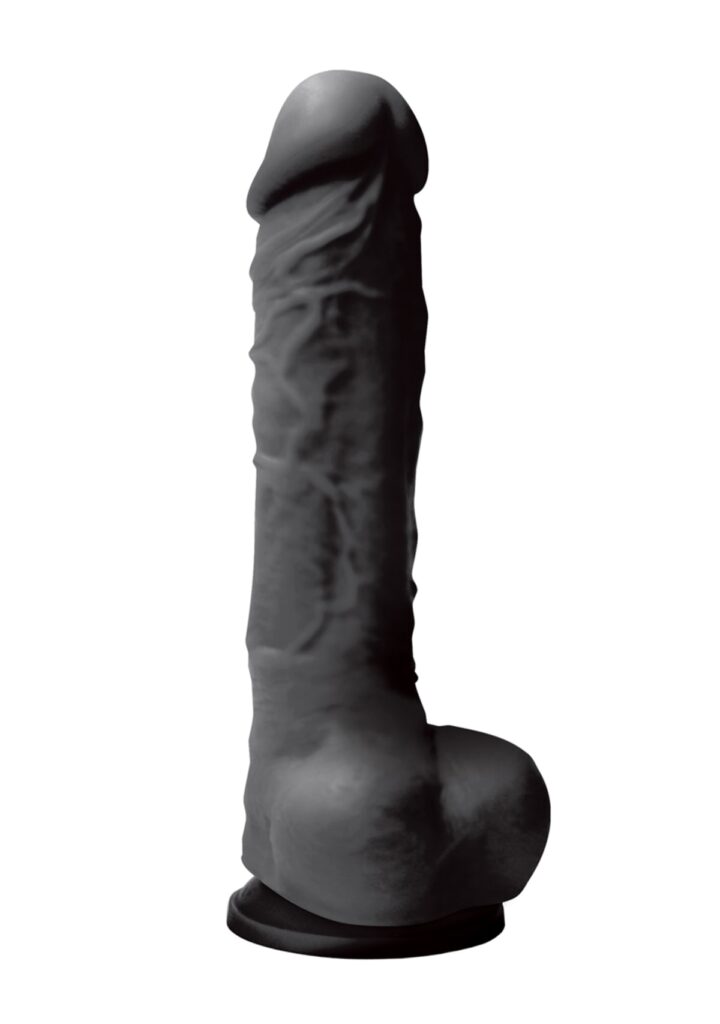
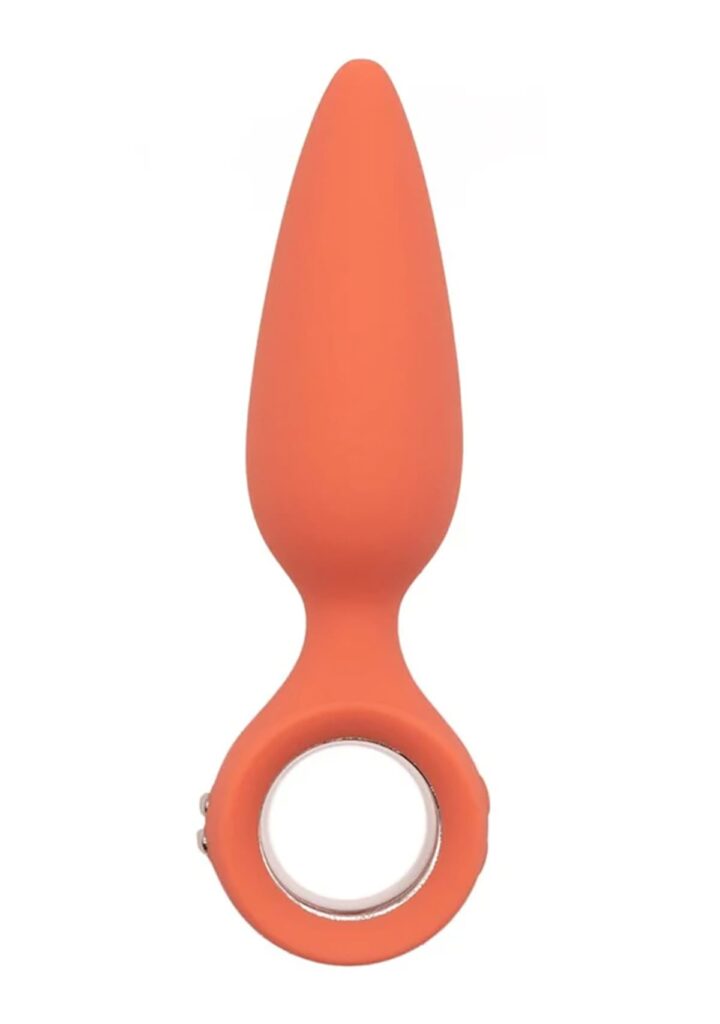
FAQ
How much should I spend on a first dildo? A quality silicone dildo starts around $40–$80. Cheap porous toys are a false economy — they harbor bacteria and need replacing. One good silicone toy lasts for years.
Can I use a dildo in the shower? Yes — glass, steel, and many silicone dildos are waterproof, and a suction cup makes the shower an obvious playground. Just watch your footing with lube.
What if I don’t like it? It happens, and it’s normal. Start small, use more lube, and give yourself time. A dildo is a tool for exploration, not a test you can fail.
Can a dildo be used with a partner? Absolutely — as foreplay, in a strap-on (see our strap-on guide), or one partner can use it while the other watches. Communication makes it better.
Is silicone really safe? Yes — medical-grade and platinum-cured silicone is non-porous, hypoallergenic, and body-safe. Just use water-based lube, since silicone lube degrades it.
How do I know if a toy is real silicone? Read the material listing (reputable brands state it), check the price (full-size silicone under $20 is suspicious), and if you own it, the flame test: real silicone leaves white ash, TPE/jelly melts.
What’s the difference between a dildo and a vibrator? A dildo is for penetration and doesn’t necessarily vibrate; a vibrator vibrates and may or may not be insertable. Dildos give the feeling of fullness and pressure; vibrators add stimulation. Many people own both.
Do I need lube with a dildo? Almost always, yes — lube reduces friction and makes everything more comfortable, even for vaginal use. It’s not a sign something’s wrong; it’s standard practice.
Ready to find yours? Shop our dildos and plugs collection — every piece body-safe and selected for quality.