
The G-spot occupies a rare position in sexual health: it is one of the most searched-for terms in the field, and also the subject of genuine scientific debate. The name traces back to German gynecologist Ernst Gräfenberg, who described an erogenous zone on the front wall of the vagina in 1950; the term itself was coined in a 1981 paper published in the Journal of Sex Research. What researchers and sex educators broadly agree on is the location — on the front, belly-button-side wall of the vagina, about two to three inches in. Where opinions divide is what the area actually is: a distinct organ, or the internal reach of the clitoral network. Both views point toward the same practical advice: the spot responds to firm pressure, and arousal is the key that unlocks it. This guide covers the anatomy, the science, how to find it, the toys that reach it, and how to explore it solo or with a partner.
In this guide:
Where is the G-spot?
Babeland’s sex educators describe it in their long-running how-to guide with useful precision: the G-spot sits “about two inches inside the vagina towards the belly, right behind the pubic bone; it corresponds to spongy tissue that is wrapped around the urethra. When women are aroused the tissue becomes thickened and can be felt through the vaginal wall.”
That last sentence matters more than the measurements. Without arousal, the front wall of the vagina feels much like every other wall — smooth and unremarkable. With arousal, blood flow thickens the spongy tissue around the urethra, and the area becomes detectable as a slightly raised, textured patch. Babeland’s guide describes the texture as “somewhat bumpy or crinkly,” noticeably different from the smooth walls around it, and adds that the size and sensitivity of the area “varies a lot” from person to person. Some people respond to light stroking there; others need firm, rhythmic pressure; some never register much sensation at all — and all three responses are normal.
The science: organ or network?
The “G-spot” entered the scientific vocabulary through a 1981 case study by Addiego, Whipple, Perry, and colleagues, who coined the term in honor of Gräfenberg. For decades it was described as a distinct structure. More recent research has reframed the picture. A 2012 review in the Journal of Sexual Medicine (Kilchevsky et al.) examined decades of studies and concluded that imaging and dissection do not support a standalone anatomical entity, while urologist Helen O’Connell’s landmark work on clitoral anatomy showed that the clitoris is a much larger internal organ than its visible tip — with legs and bulbs that wrap around the vaginal canal.
The modern consensus among many researchers is that the area labeled the G-spot is where the internal clitoral network, the urethral sponge, and the vaginal wall meet — functionally a hotspot of that network rather than a separate organ. The practical takeaway is unchanged: pressure there stimulates structures that are very real and very sensitive. Whether someone calls it a spot, a zone, or a network matters less than whether the touch feels good.
Why people explore it
Motivations vary, but a common one is variety. Internal sensation feels qualitatively different from clitoral sensation, and Babeland’s orgasm guide notes that G-spot orgasms are “often described as deeper and more full-bodied than clitoral ones.” Some people also report that steady pressure there produces sensations unlike anything else they have felt — occasionally intense enough to trigger ejaculation, a normal response that involves fluid from the urethral area.
Another common motivation is simply curiosity: the area carries a mythology, and many people want to find out for themselves what the stories are about. Exploration tends to work best when approached without a goal — the pressure to “find it” is, ironically, one of the most reliable ways to make it elusive. Bodies respond to relaxation, and the search itself should feel optional.
How to find it, step by step
- Arousal first. The tissue only becomes detectable when blood flow thickens it. Attempting the search before arousal is like looking for a fingerprint in the dark — the instructions below assume the body is already warm.
- Empty the bladder. Babeland’s guide notes that for some women the sensation “is similar to the sensation of needing to urinate.” Emptying the bladder beforehand removes the ambiguity, so the feeling can be recognized as what it is rather than mistaken for what it is not.
- Insert one or two fingers, palm up. Curl them toward the belly-button side — the front wall of the vagina — about two inches in, just behind the pubic bone.
- Press, then stroke. The area is felt through the vaginal wall, so light surface contact will not reach it. Firm pressure followed by a “come-hither” stroke — fingers curling toward the palm — is the motion Babeland’s guide recommends.
- Feel for the texture. A bumpy, ridged, or spongy patch marks the area. Its texture is the landmark more than its position, since depth varies slightly from body to body.
- Be patient, and repeat. First attempts often yield little — the area is arousal-dependent and can take multiple sessions to “wake up.” Many find it easier to locate on a second or third try, when the body knows what it is looking for.
Toys that reach it
Curved dildos. A firm forward curve translates hand motion into direct front-wall pressure. Firm materials — solid silicone, glass, or steel — transfer pressure most efficiently, while softer dual-density silicone diffuses it into a gentler massage. The first dildo guide covers firmness in detail.
G-spot rabbits and curved vibrators. A curved shaft with a motor adds vibration to the pressure, and a rabbit’s external ears add clitoral stimulation at the same time — the blended combination covered in the rabbit vibrator guide.
Thrusting toys. Motorized thrusting delivers the rhythmic in-and-out motion that fingers tire of quickly. The motion does the work while the hand simply holds position.
Look out for: toys with shallow or straight shafts that never reach the front wall; squishy toys that absorb the pressure before it lands; and silicone toys paired with the wrong lube — silicone requires water-based lubricant exclusively. Generous lubrication matters here more than in most play, because firm pressure against the vaginal wall is friction by definition.
Exploring with a partner
Partnered exploration benefits from words before hands. A simple opener tends to work better than a surprise: “I read something interesting — would you be open to trying something new together?” Names the interest without assigning homework to either person.
During the exploration itself, guidance phrased as direction works better than correction. “A little higher,” “curl your fingers toward me,” and “keep that rhythm” are instructions a partner can act on; “not there” gives them nothing to do instead. Positions matter too: rear-entry positions angle pressure naturally toward the front wall, and a cushion under the hips in face-to-face positions tilts the pelvis into a better angle. Babeland’s guide also points out a classic combination — a partner’s fingers stroking the G-spot while their mouth stays on the clitoris, which pairs the internal and external sensations that blend so well together.
Solo practice, a structured approach
- Choose unhurried time. The exploration needs no deadline; a session with nowhere to be afterward removes the pressure that reliably dampens sensation.
- Warm up externally. Ten to fifteen minutes of whatever external stimulation already works — hands, a clitoral suction toy, a wand — before the search begins.
- Lubricate generously. Water-based lubricant on fingers and toy, reapplied as needed.
- Curve and press. Two inches in, front wall, firm steady pressure first; the come-hither stroke second.
- Combine with clitoral touch. Many find the area responds most strongly when external stimulation continues at the same time — the blended approach.
- Let go of the outcome. If nothing happens, the session still counts as mapping. The next attempt usually starts with better information than the last.
The Sunday-morning discovery
Morning light filters through the curtain in a narrow gold band across the bed. There is nowhere to be for hours. The sheets are warm from sleep, the room quiet except for distant birds, and the body — still half-dreaming — is softer than it ever is at night. This is the hour when exploration stops feeling like a project. A hand moves slowly under the covers, finding its way without hurry; the pressure builds the way tide builds, invisible and then undeniable. By the time the search becomes a discovery, the distinction between looking and finding has stopped mattering at all.
At-a-glance comparison
| Model | Price | Type | Best for |
|---|---|---|---|
| Greedy Girl G-Spot Rabbit Vibrator | $109.99 | Curved rabbit | Blended pressure + vibration |
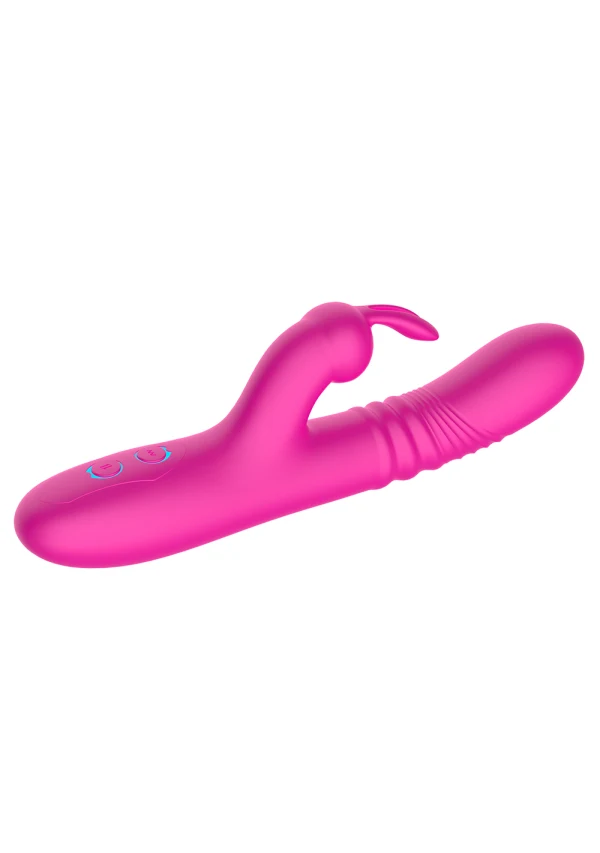
| The One Thrusting Rabbit | $70.00 | Thrusting | Hands-free rhythm |
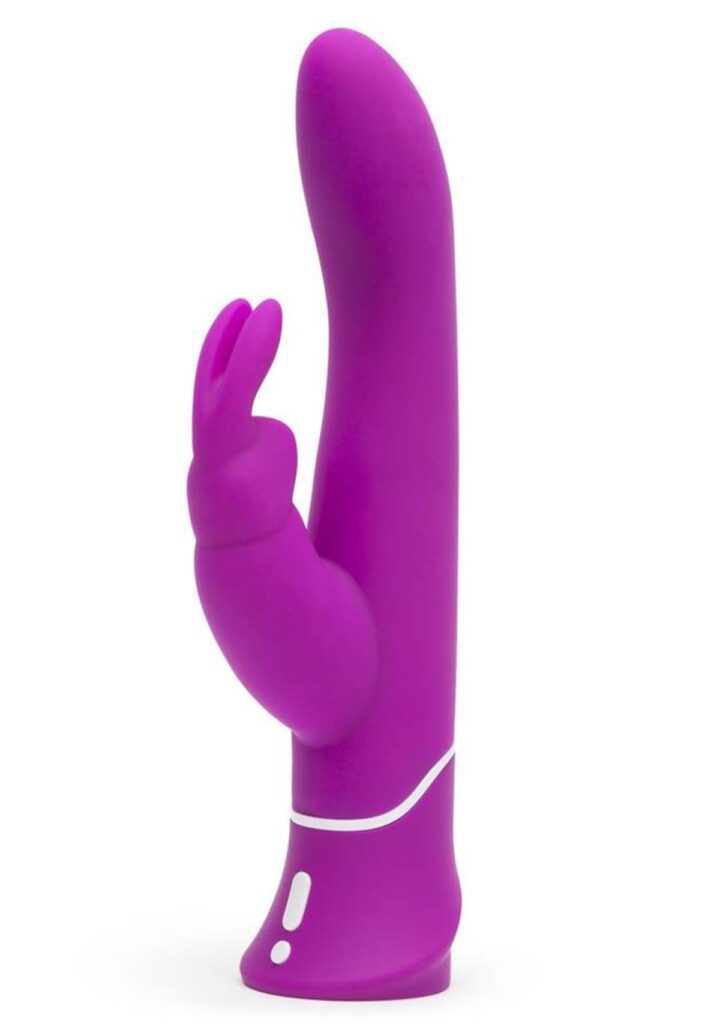
| Happy Rabbit Curve Vibrator | $115.00 | Curved vibrator | Focused front-wall vibration |
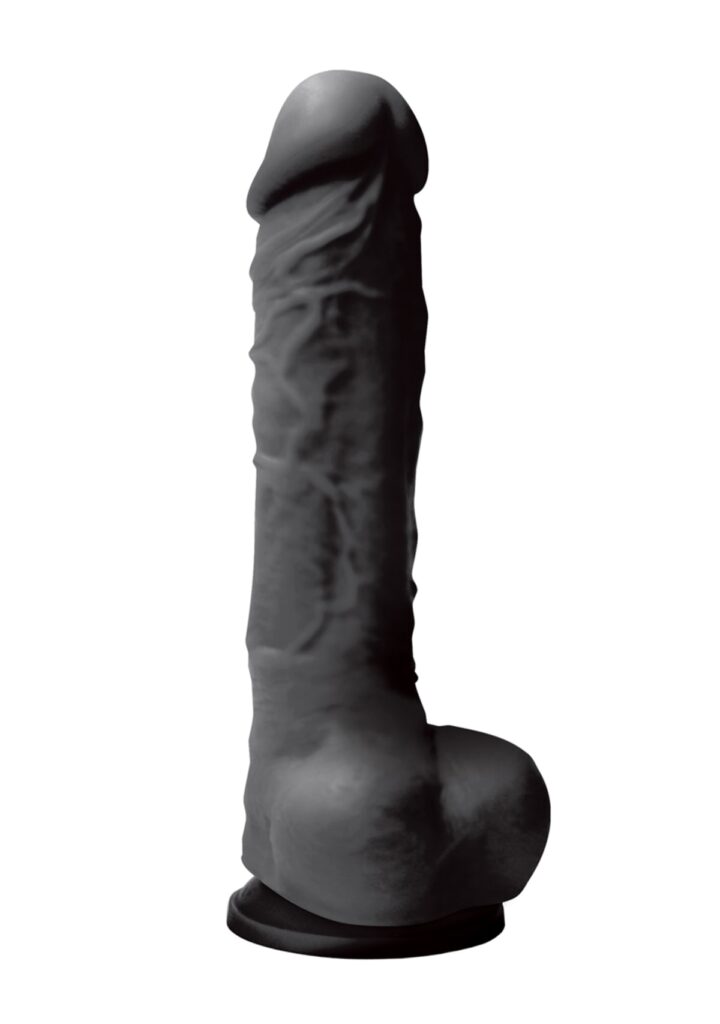
| Colours Dildo 5″ | $34.00 | Firm silicone dildo | Manual pressure, beginner-friendly |
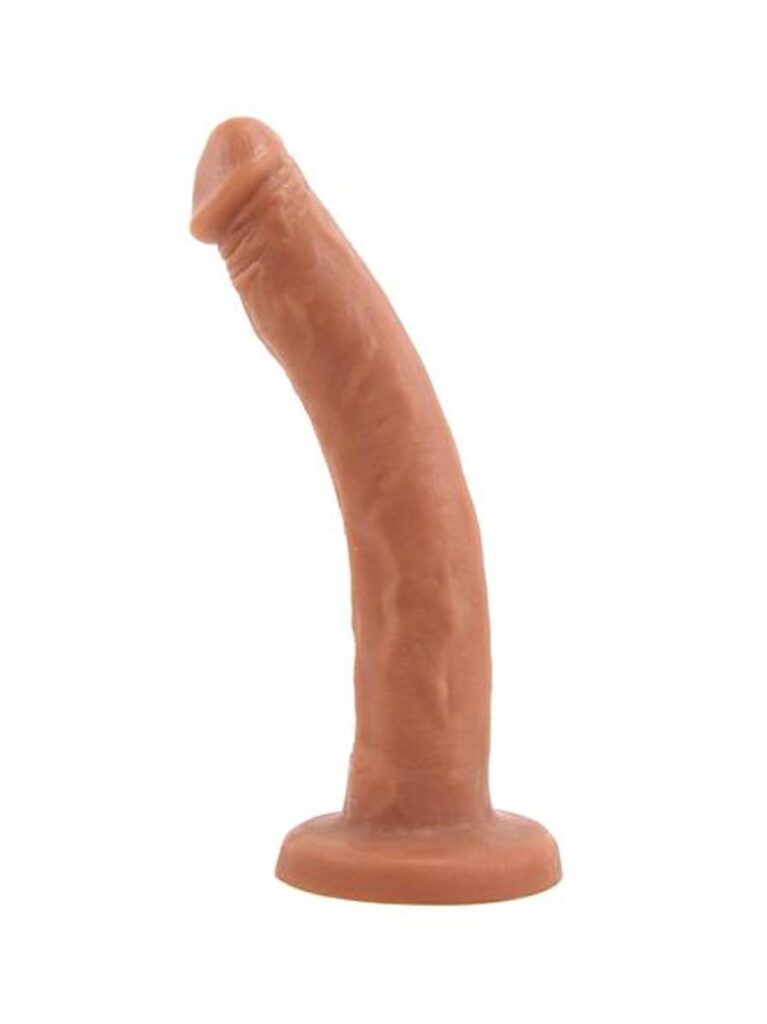
| Vixskin Slim Dildo | $132.00 | Dual-density dildo | Realistic softness with a firm core |
Our picks
Five toys from the BINOKU catalog, ordered from the gentlest starting point to the most advanced — each one chosen for the way it translates pressure onto the front wall:
Our Picks
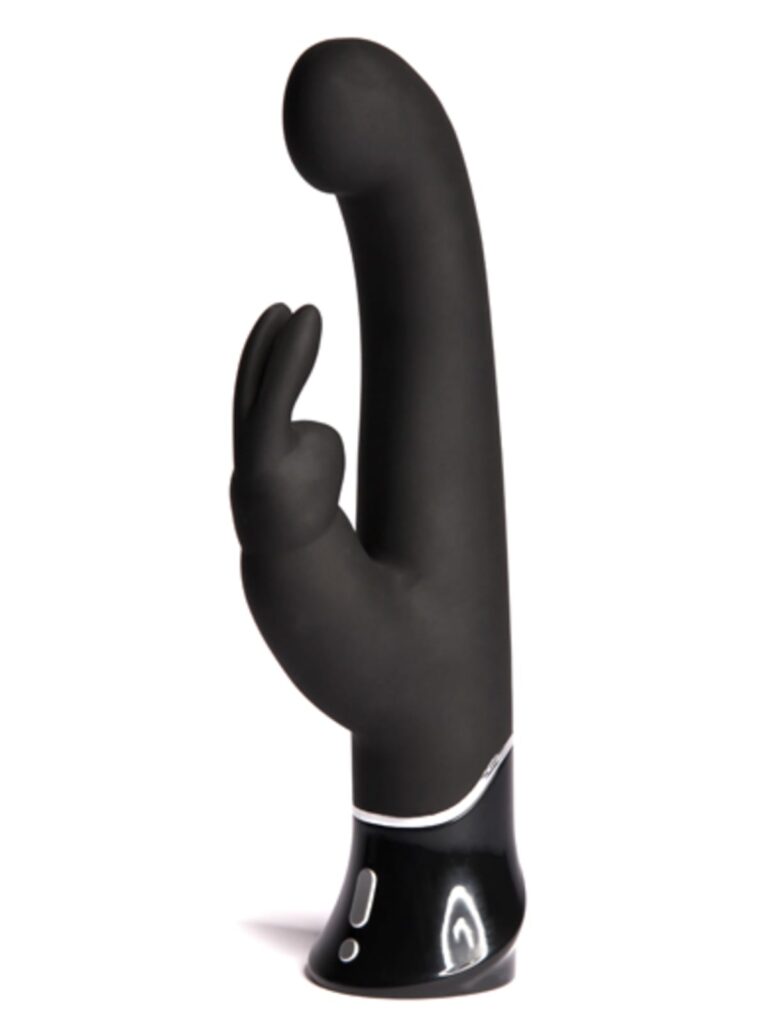
- Greedy Girl G-Spot Rabbit Vibrator — the all-rounder: a pronounced curve for front-wall pressure, ears for clitoral stimulation, and vibration for both.
- The One Thrusting Rabbit — for motion lovers: the thrusting shaft keeps the come-hither rhythm going without wrist effort.
- Happy Rabbit Curve Vibrator — the focused pick: a curved body built purely for G-spot vibration, with no external arm.
- Colours Dildo 5″ — the manual beginner’s choice: firm, body-safe silicone at a gentle price, ideal for learning exactly where and how much pressure feels right.
- Vixskin Slim Dildo — the upgrade: dual-density silicone that feels lifelike on the surface while the firm core still transfers pressure.
FAQ
Does everyone have a G-spot?
Not as a guaranteed, identical structure — the research debate exists precisely because the area is not a uniform organ. Sensitivity there varies widely, and some people never find the spot especially responsive. That is a variation, not a defect, and it says nothing about a person’s capacity for pleasure elsewhere.
Why does it feel like I need to pee?
Because the area sits against the urethral sponge — pressure on it can read as the need to urinate. Emptying the bladder beforehand usually resolves the ambiguity, and with continued arousal many people find the sensation transforms from “need to pee” into something entirely different.
Can I reach it with my fingers?
Yes — it is typically two to three inches inside the vagina on the front wall, well within reach of fingers, a partner’s fingers, or any toy with a forward curve. Longer toys are unnecessary for this particular area; curve matters far more than length.
What shape of toy works best?
A firm forward curve. The curve converts thrusting or rocking into direct pressure on the front wall, and firm material — silicone with a solid core, glass, or steel — transfers that pressure without absorbing it. The lube guide pairs with this: water-based only for silicone.
Does everyone experience ejaculation with G-spot stimulation?
No. Some people do, some never do, and both are normal — ejaculation is not a goal or a measure of success. The only useful measure is whether the stimulation feels good.
Ready to explore? Shop our Vibrators collection or browse Dildos & Plugs — and for the full picture on internal stimulation, continue with the rabbit vibrator guide.