Male Masturbators Explained: A Beginner’s Guide to Strokers
For a long time, the male side of the pleasure aisle was small: a few rings, a handful of sleeves. That has changed quickly. Strokers — soft, tunnel-shaped toys designed to surround the penis with texture, pressure, and warmth — have become one of the fastest-growing categories in sexual wellness, with designs now ranging from simple silicone sleeves to motorized devices that warm, pulse, and thrust. The appeal isn’t complicated: a hand does one thing well, while a well-made stroker does something else entirely. For people new to the category, the choices can look overwhelming and the maintenance questions are real. This guide explains how strokers work, the differences between materials, what the motorized options actually add, and how to keep one clean, safe, and lasting for years.
In this guide:
- The quick summary
- Why people try strokers
- 1. What a stroker actually is
- 2. Silicone vs TPE and other materials
- 3. Manual to motorized: the ladder
- 4. Lube is the whole point
- 5. Cleaning and drying
- 6. Warmth and temperature play
- 7. Using a stroker with a partner
- 8. Storage and discretion
- Gear categories and what to look out for
- The slow solo ritual
- Our picks
- FAQ
Only got time for a quickie?
- A stroker is a soft tunnel that slides over the penis; internal ridges, nubs, and chambers create the sensation.
- Silicone is the body-safe standard — non-porous and easy to clean; TPE/TPR feel softer but are porous and shorter-lived.
- Water-based lube only. Silicone lube degrades sleeves, and generous lube is the entire point of the toy.
- Manual sleeves cost less and last with care; motorized models add vibration, warming, thrusting, or suction.
- Cleaning is non-negotiable: rinse inside and out, then dry completely before storing — moisture invites bacteria and odor.
- Start small and simple: a textured silicone sleeve is the classic first stroker.
Why people try strokers

The interesting fact about male sex toys isn’t how many people use them — it’s how recently the numbers started moving. In nationally representative US data, only about 17% of men say they’ve used a sex toy during solo play, compared with 46% of women, a gap the sex researcher Justin Lehmiller has documented across multiple surveys. Masturbation itself is near-universal: since Kinsey’s work in the mid-20th century, studies have consistently found that more than 90% of men masturbate. So the audience was always there; what changed is the stigma around upgrading the experience. A stroker doesn’t replace a habit — it adds texture, warmth, and variety to something people already do, which is exactly why the category has grown so fast.
People’s reasons vary. Some want novelty: the hand is dependable but identical every time, while a sleeve offers textures a body never produces. Others treat solo play as deliberate self-care — a scheduled, unhurried ritual with better sleep and lower stress as the documented byproducts. And plenty of couples use strokers together, as a way to share control or simply to add a new instrument to familiar evenings.
1. What a stroker actually is
At its core, a stroker is a soft cylinder with a textured interior tunnel and an outer shell meant to be gripped. The interior is where the engineering lives: ridges, spirals, nubs, and chambers arranged in sequences, so the sensation changes along the stroke. Open-ended sleeves are easier to clean and allow full length; closed-ended models build suction and are often marketed as “realistic.” Around the tunnel sits the body — sometimes a simple soft shell, sometimes a rigid case that holds a motor, a heater, or a rechargeable battery. Understanding those two layers separately is useful, because it maps directly onto the buying decision: texture is the point, and the shell determines how much technology rides along.
2. Silicone vs TPE and other materials
Material matters more here than in almost any other toy category, because the surface area is large and the toy is soft. Silicone is the body-safe standard: non-porous (bacteria can’t live inside the material itself), temperature-stable, odor-resistant, and effectively permanent with basic care. TPE and TPR are soft, stretchy, and cheaper — and porous, which means they hold bacteria and degrade over months, developing odor and stickiness no matter how well they’re washed. Jelly and PVC are the materials to avoid outright; they’ve been linked to chemical exposure concerns and belong to an older generation of the industry. The honest rule: if a sleeve doesn’t name its material, it’s usually porous. For a toy used repeatedly against sensitive skin, silicone’s longevity and cleanability usually justify the modest price difference.
3. Manual to motorized: the ladder

Strokers climb a ladder of complexity. Manual sleeves do nothing on their own — texture plus the hand’s motion is the whole experience, which is exactly why they remain the best first purchase: nothing to charge, nothing to fail, and the user controls every variable. Vibrating sleeves add a motor, typically at the base or along the shell, for sensation that reaches deeper than surface texture. Warming models heat the interior to body temperature, which is the single most commonly praised feature in reviews — cold silicone is nobody’s fantasy. Automatic strokers add motion: rotating inner sleeves, thrusting mechanisms, or pulsing suction that does the stroking for the user, hands-free. Each rung costs more and adds care requirements, but the experiences are genuinely distinct rather than merely louder versions of each other.
4. Lube is the whole point
A stroker used without lubricant is uncomfortable at best and damaging at worst — friction defeats the toy’s entire purpose and stresses the material. The rule is simple and non-negotiable: water-based lubricant only. Silicone-based lube bonds with and degrades silicone and TPE sleeves, leaving a sticky, permanently damaged surface. Oil-based lubes are harder to clean and can shorten a porous toy’s life. Application matters too: a generous amount inside the tunnel and a little at the entrance beats a small amount everywhere, and re-application mid-session is normal, not a failure of the first dose. Many experienced users also warm the lube in a hand for a few seconds before applying — a small courtesy that eliminates the cold shock entirely.
5. Cleaning and drying
Cleaning a stroker is the chore that determines whether it lasts two months or two decades. The inside of a tunnel is warm, wet, and dark after use — an ideal environment for bacteria and mold. The routine that solves it: rinse inside and out with warm water, work a mild soap or dedicated toy cleaner through the tunnel with fingers, rinse again until the water runs clear, then — the step most people skip — dry it completely before storing. A lint-free cloth for the outside, and for the inside either a drying stick or a few hours standing upright in air. Only when the tunnel is fully dry should the toy go back in its case. Motorized models add one caveat: unless the product explicitly states waterproof, only the removable insert gets washed, and the motor housing gets wiped.
6. Warmth and temperature play
Temperature is the cheapest upgrade in the category. Warming strokers do it electrically — the tunnel holds body heat, which is the difference most reviewers mention first. But the manual version works just as well: a closed-ended sleeve soaked in warm water for a few minutes before use warms through, and the effect lasts long enough for a session. Some people extend the idea into genuine temperature play, alternating warm rinses with a cooler one — the contrast reads as a new texture entirely. Two cautions: only warm-rinse toys that are fully waterproof, and test the temperature on a wrist first, the way one would a baby’s bottle. Pleasantly warm is the goal; anything hotter has no business near sensitive skin.
7. Using a stroker with a partner
Strokers are framed as solo toys, but they cross over easily. In partnered play, the toy becomes something one person does for the other — a change of hands, in every sense — and that reframing is most of the appeal. Some couples build it into a mutual ritual: one partner uses the sleeve while the other uses their own toy, no performance required, just parallel leisure. The introduction conversation follows the usual pattern and needs no grand speech: “I picked something up for us — curious?” or “Would you let me try this on you?” Both are short, playful, and leave the other person an easy exit. As with any new toy in a relationship, the first attempt is a trial run; the second is where preferences actually emerge.
8. Storage and discretion
Strokers are unglamorous to store — soft, oddly shaped, and prone to picking up lint, which is exactly why the storage habits matter. A clean stroker belongs in its own pouch or case, away from direct sunlight and heat sources (a sunny windowsill slowly cures silicone, and a radiator can warp a TPE toy). Silicone toys should not rest against other silicone toys or other soft toys long-term — different materials can react on contact. For discretion, a plain storage box or drawer insert does the job; the point is that the toy stays clean, dry, and private. Given how much care goes into maintaining a stroker, storing it like an instrument rather than an afterthought is the habit that keeps it feeling like a considered purchase.
Gear categories and what to look out for
Manual silicone sleeves — the classic first stroker, textured inside, gripped by hand. Look for: named silicone material, an open end (easiest to clean), and a texture pattern described in the listing. Dual-texture strokers — two different interiors in one toy, often split lengthwise or by chamber. Look for: a clear description of where each texture sits, so expectations match reality. Vibrating and warming sleeves — motors add sensation and heat. Look for: a rechargeable battery (button cells are a constant expense) and an honest noise spec. Automatic and suction strokers — thrusting, rotating, or suction-driven, built for hands-free use. Look for: a removable, washable insert and a sturdy case; these are heavier than they look in photos.
Look out for: unnamed materials (usually porous TPE), motorized bodies that aren’t waterproof but appear rinsable, openings sized for one anatomy only, and listings without charging details. For any porous material, treat “wash immediately and dry fully” as mandatory rather than optional.
| Type | Power | Best for | Care level |
|---|---|---|---|
| Manual sleeve | None | First stroker, travel | Low — rinse and dry |
| Dual-texture stroker | None | Variety in one toy | Low |
| Vibrating / warming | Motor | Added sensation, comfort | Medium — charging, careful cleaning |
| Automatic / suction | Motor | Hands-free, intensity | Higher — drying is critical |
The slow solo ritual
The apartment settles into its evening quiet — dishes done, phone face-down, the last light through the window gone from gold to grey. Water runs warm in the bathroom first, a small preparatory ritual that feels like drawing a bath. The toy warms slowly to the body’s own temperature, and by the time it does, the day has fallen away in layers. What follows belongs to no schedule: a slow, deliberate hour in which the only expectation is to pay attention — to pressure, to rhythm, to the rare luxury of being nowhere else.
Our picks
The picks below climb the ladder from simple to motorized, with a lubricant at the end because every stroker needs one. All sleeves are body-safe and selected for a first-time experience.
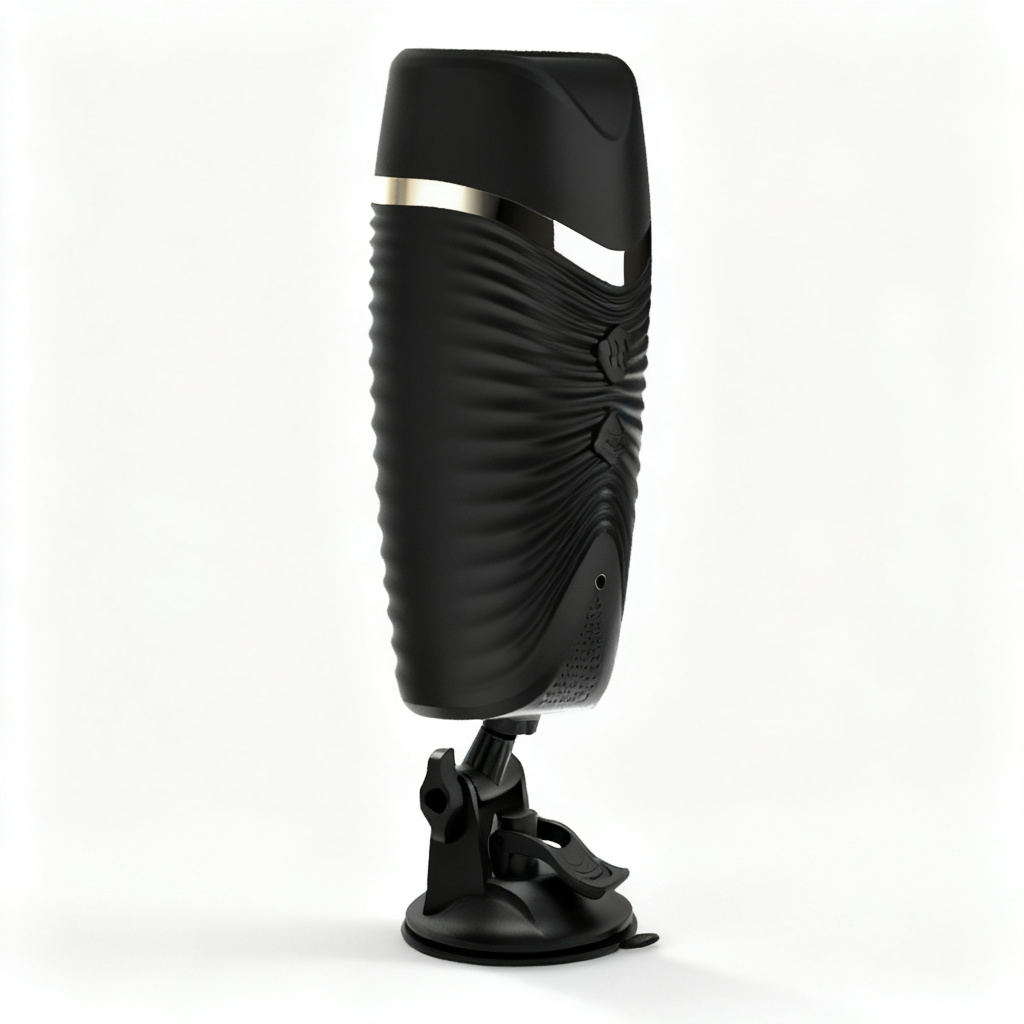
- Adaptive Apex Automatic Stroker — the motorized entry point at a gentle price; warming and automatic modes without the flagship cost.
- Phantom Glide Dual Texture Stroker — two interior textures in one sleeve; the manual choice for people who want variety without motors.
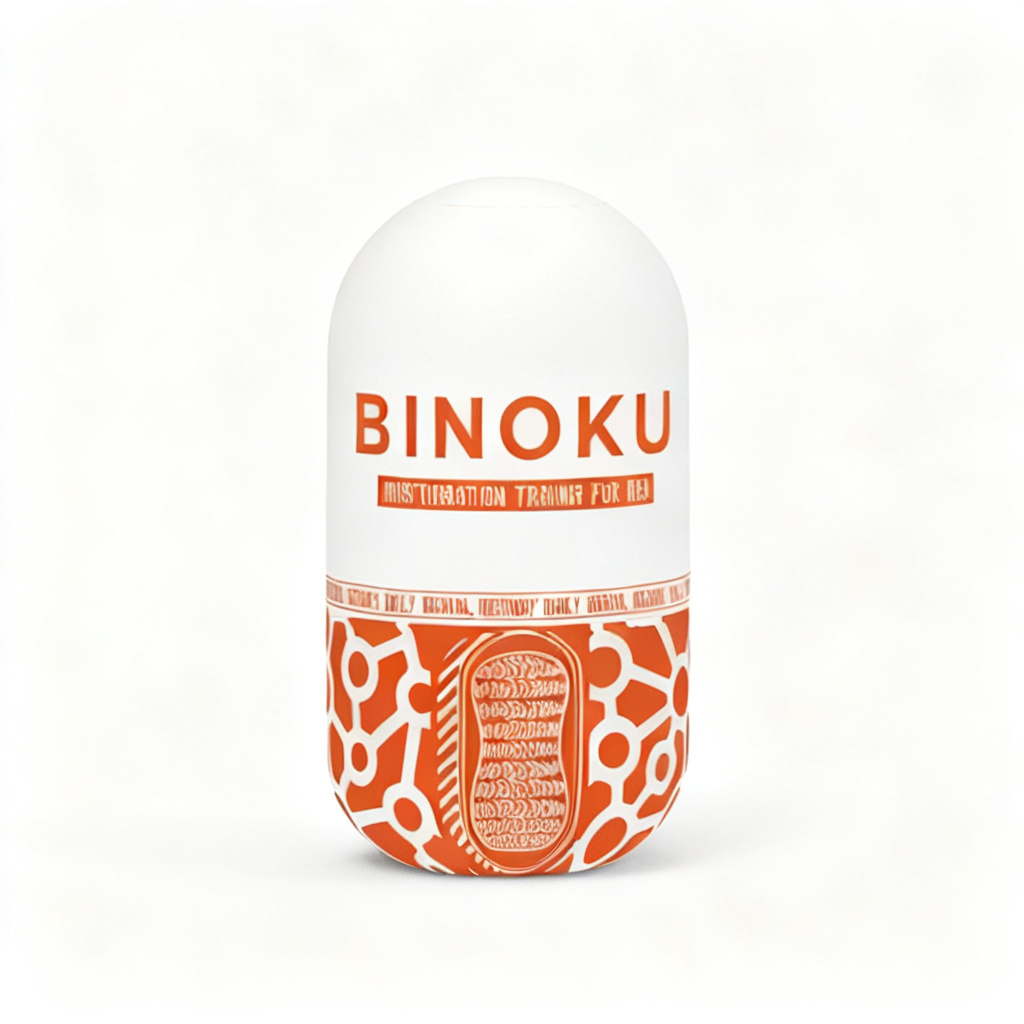
- LuxeGrip Silicone Personal Stroker — straightforward silicone with a confident grip; the dependable first stroker.
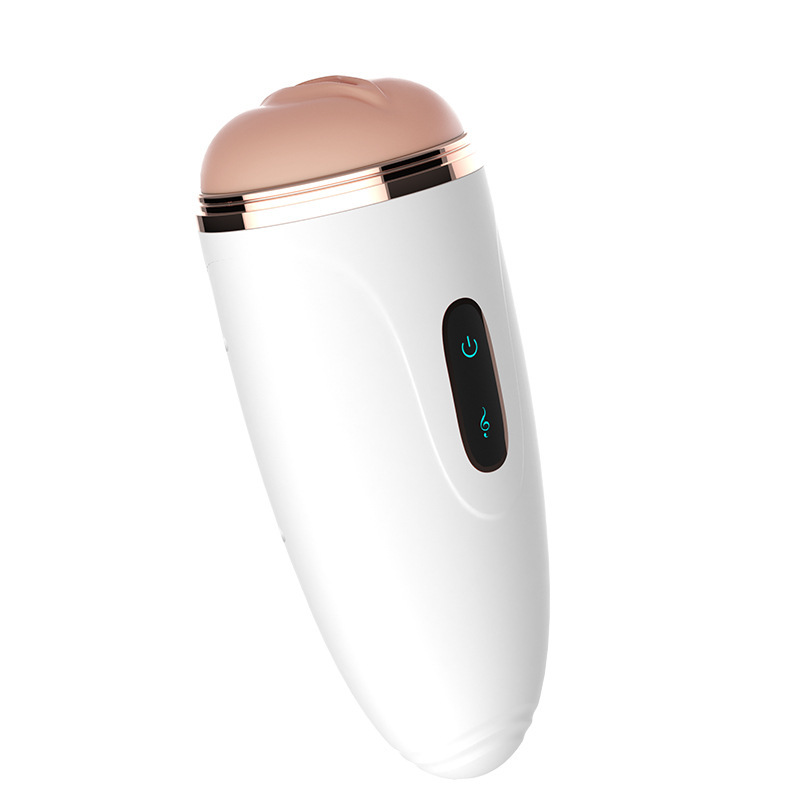
- Automatic Warming Pulse Stroker — warmth and pulse settings for anyone ready to upgrade from manual.
- R20 Hands-Free Electric Suction Stroker — suction-driven and hands-free, for those who already know they want intensity.
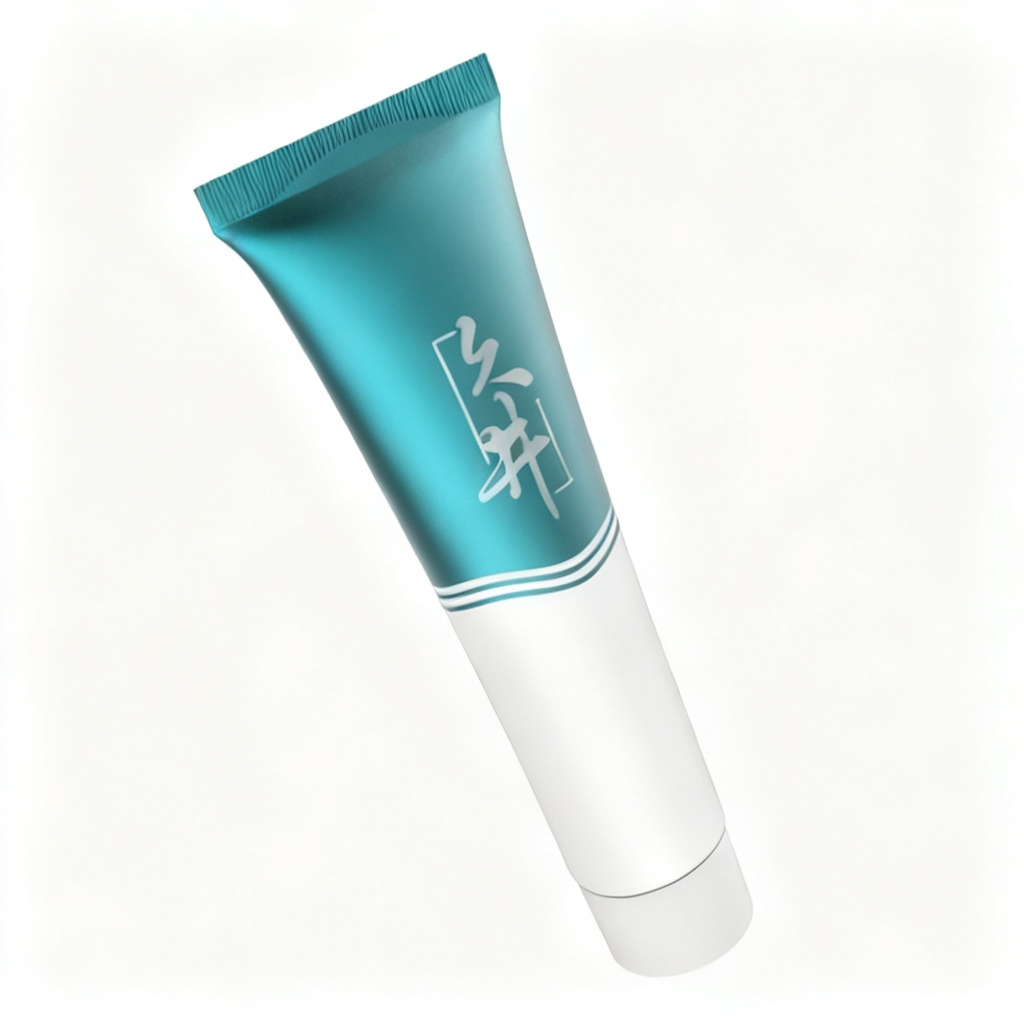
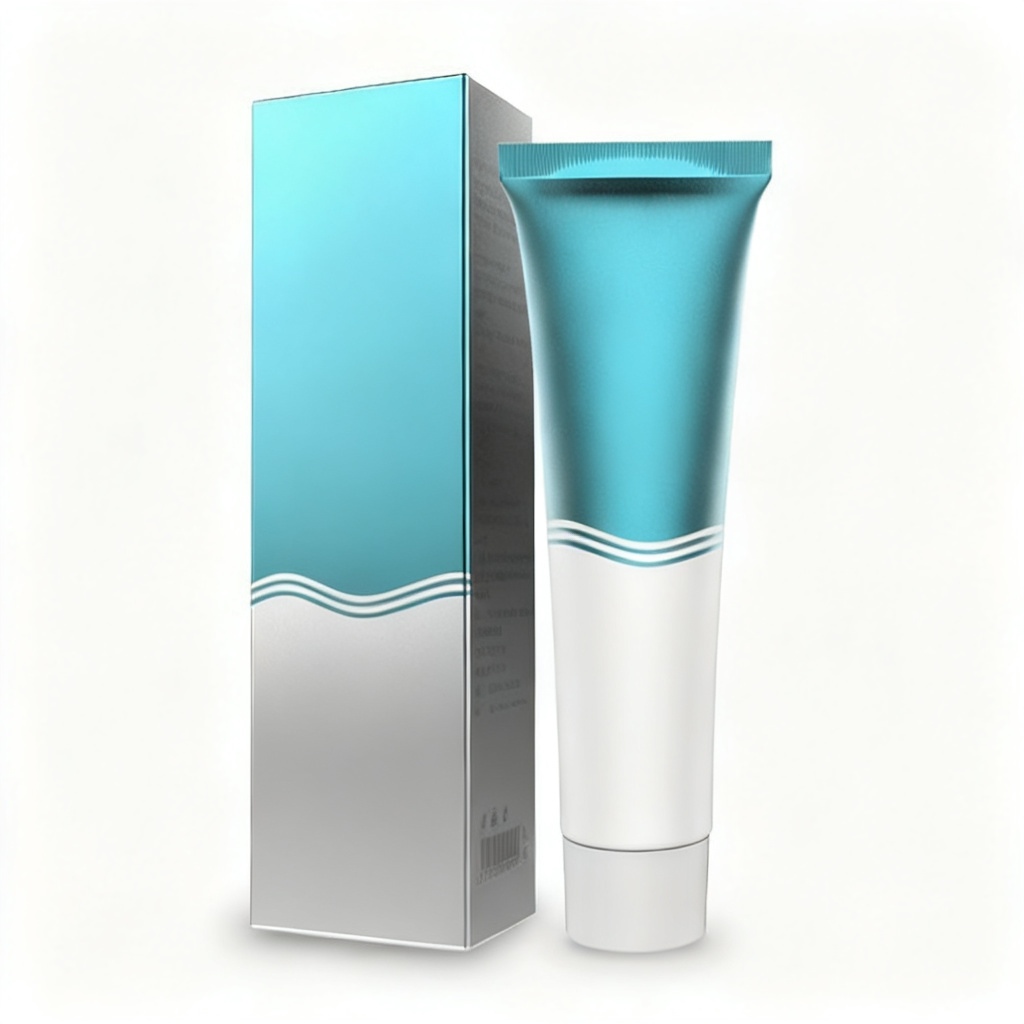
- Silk Glide Water-Based Lubricant — the essential companion; water-based, so it’s safe for every sleeve in this list.
Our Picks


FAQ
Is a stroker only for single people? No. Many couples use one together, as something one partner does for the other or as part of a mutual ritual.
Silicone or TPE? Silicone is non-porous, durable, and easy to clean, and it’s the body-safe standard. TPE feels softer but is porous — it holds bacteria and wears out within months. For repeated use, silicone wins.
Can I use silicone lubricant? No. Silicone lube degrades silicone and TPE sleeves, leaving them sticky and permanently damaged. Water-based lube only, applied generously.
How do I clean a stroker? Rinse inside and out with warm water, wash the tunnel with mild soap or toy cleaner, rinse clear, and dry completely before storing. Motorized housings get wiped unless marked waterproof.
Are motorized strokers loud? Motor noise varies by model. If discretion matters, check reviews that mention noise — warming and suction models are generally quieter than thrusting ones.
Will it stretch out or wear out? Quality silicone holds its shape for years with cleaning and dry storage. Porous TPE softens and degrades over months no matter how carefully it’s kept.
Ready to explore? Browse our Strokers collection — every sleeve selected for body-safe materials and easy care.