

Anal play occupies a strange corner of sexual wellness: it is one of the most commonly tried forms of partnered sex, and still one of the least understood in practical terms. Large-scale survey data — including the CDC’s National Survey of Family Growth — consistently finds that more than a third of American adults have explored it at least once. The gap between how many people try it and how much accurate information circulates is wide, and it is that gap which turns a safe, learnable practice into something intimidating. The fundamentals are simple: the area responds to patience, arousal, and lubrication rather than force; the toys designed for it are built around a handful of safety features; and comfort grows with practice. This guide covers the anatomy, the non-negotiable rules, a step-by-step path from first touch to confident play, and the gear that belongs in a beginner’s drawer.
In this guide:
Only got time for a quickie?
- Two non-negotiables: generous lube and a flared base on anything that goes in.
- The area does not self-lubricate — discomfort almost always comes from friction, not from the act itself.
- Around 4,000 nerve endings make the entrance and canal far more sensitive than most people expect.
- Relaxation beats force every time. Tense muscles are the main reason first attempts feel like a wall.
- Start smaller than seems necessary: a finger, then a small plug, then anything larger.
- Pain is information. If it hurts, stop, add lube, slow down — and skip numbing products, which hide that signal.
Anatomy: why the area is more sensitive than it looks
The anal canal is short — roughly two to three inches in most adults — but it packs an unusual amount of nerve tissue into that length. Sex researchers note that the anal opening and canal hold somewhere in the region of 4,000 nerve endings, a density comparable to the head of the penis. That is why even light external touch tends to register as vivid sensation rather than background noise.
Behind the opening sit two rings of muscle. The outer sphincter is under voluntary control — it is the muscle people clench and release at will. The inner sphincter is involuntary; it relaxes on its own as arousal builds, which is why forcing matters less than atmosphere. When someone proceeds before the inner ring has relaxed, the result is the familiar sensation of hitting a wall. The fix is almost never more pressure. It is time, warmth, and repeated gentle contact.
For people with prostates, the anatomy offers a second map of pleasure: the gland sits roughly two inches inside, toward the belly button, about the size of a walnut, and responds to firm, rhythmic pressure with a deep, diffuse sensation many describe as unlike anything from penile stimulation alone. The prostate guide covers that territory in detail; here, the point is that the same slow, lubricated approach applies regardless of anatomy.
Why people explore anal play
Motivations vary as much as bodies do. For many, it is purely about sensation: the nerve density of the canal and entrance produces a kind of pleasure that clitoral or penile stimulation does not duplicate. For people with prostates, internal stimulation reaches a gland that external play cannot. For others the appeal is psychological — novelty, the trust involved in being vulnerable with a partner, or the sense of reclaiming a part of the body that shame has kept off-limits. Couples who have added anal play to their repertoire often find that the preparation and communication it requires improve other parts of their sex life too, because it forces the habits — talking before, checking in during, slowing down — that good sex runs on anyway.
None of this means anal play is for everyone, and no one needs a reason beyond curiosity — or beyond its absence — to leave it unexplored. The only sensible measure is whether a person finds it enjoyable.
The ground rules that keep it safe
Anal play has a short rulebook, and almost every story of a first attempt gone wrong traces back to skipping one of these items:
- A flared base, always. The muscles of the rectum are designed to pull things inward, and the contractions of arousal and orgasm can pull harder. Toys without a flared base — or household objects, which never belong in this conversation — can slip fully inside and require a hospital visit to retrieve. Among sex educators the rule has its own grim rhyme: no flared base, gone without a trace.
- Lube, and more than seems necessary. Unlike the vagina, the rectum does not self-lubricate. “Lube is literally the difference between anal penetration being friction-y and a pleasant, orgasmic experience,” explains Lisa Finn, a sex educator at Babeland. Applied generously to both the toy and the body, and reapplied as it absorbs, it is the single most effective comfort measure that exists.
- Nothing numbing. Desensitizing or “anal-eaze” gels work by suppressing pain signals, and pain is the body’s early warning system for friction damage and micro-tears. Discomfort that goes unnoticed becomes a worse injury. If a product promises to make it not hurt, that is exactly the product to skip.
- Body-safe materials only. Silicone, glass, and steel can be fully cleaned; porous materials like TPE, TPR, and jelly trap bacteria inside the material itself. The materials guide covers the full list — the short version: for anything internal, silicone is the safe default.
- Water-based lube with silicone toys. Silicone lubricant can bond with and degrade silicone toys, so the standard pairing is water-based lube on silicone toys; silicone lube is fine on skin or with glass and steel. The lube guide breaks down every combination.
- Cleanliness, in both directions. Before: a warm shower is sufficient for most people, and toys get washed per the cleaning guide. During: a toy that has been used anally gets washed or covered with a fresh condom before it goes anywhere else, so bacteria never travels between areas.
A step-by-step path for beginners
The progression below is deliberately slow. People who skip ahead usually arrive at the same skills anyway — the only difference is how much comfort they sacrifice on the way.
- Start entirely outside the body. Fingertips, a tongue, or the rounded end of a toy tracing the entrance is a complete experience in its own right, and it gives the muscles their first lesson in “touch here is safe.”
- Get aroused first. “The more turned on you are before you touch your butt, the better,” Finn advises — arousal is what makes the inner sphincter relax on its own, and it shifts the whole experience from tension to receptiveness.
- One lubricated finger before anything else. A finger is narrow, responsive, and cannot be lost. Gloves or condoms make cleanup trivial and reduce nail-related friction to zero.
- Breathe out, slowly, on contact. The pelvic floor relaxes on the exhale. Finn’s observation about why first attempts are hard is worth repeating: “The rectum holds a lot of tension. We naturally tense up when something new is introduced to that area.” Slow exhales are the countermove.
- Move up one small size at a time. A beginner plug with a slim neck and a wide, flat base is the classic first purchase — inserted past the inner ring, it stays put while the body acclimates, and it can be left in place for minutes rather than seconds.
- Add movement only when stillness is comfortable. Gentle rocking, pressing, or vibration — after the body has accepted the presence of the toy — is where most of the pleasure shows up.
- Talk, even solo, even silently. With a partner, real-time check-ins are the difference between a shared experience and an endurance test. “Does this pressure feel good?” and “slower or faster?” are complete sentences. Solo, the equivalent is paying attention to what the body reports back and adjusting to it.
Gear for beginners, explained
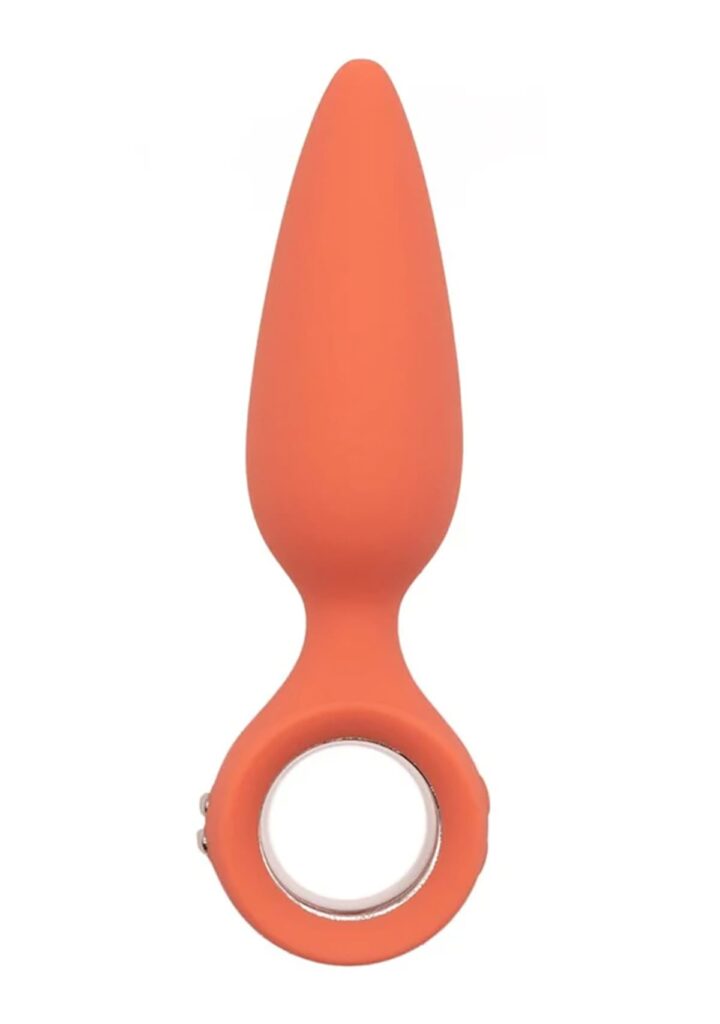
Butt plugs. The beginner’s standard. Look for body-safe silicone, a slim neck the sphincter can close around, a flared or T-shaped base that cannot slip inside, and a size small enough to surprise no one. A plug teaches the muscles to accept presence before movement — many people wear one during other kinds of play simply for the fullness it adds.
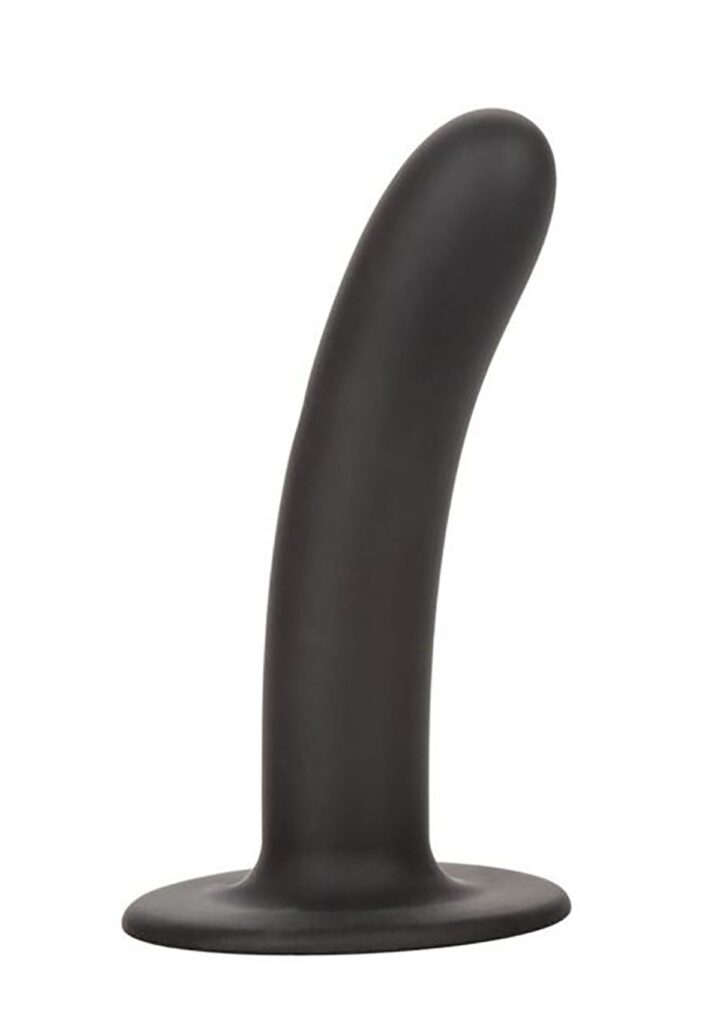
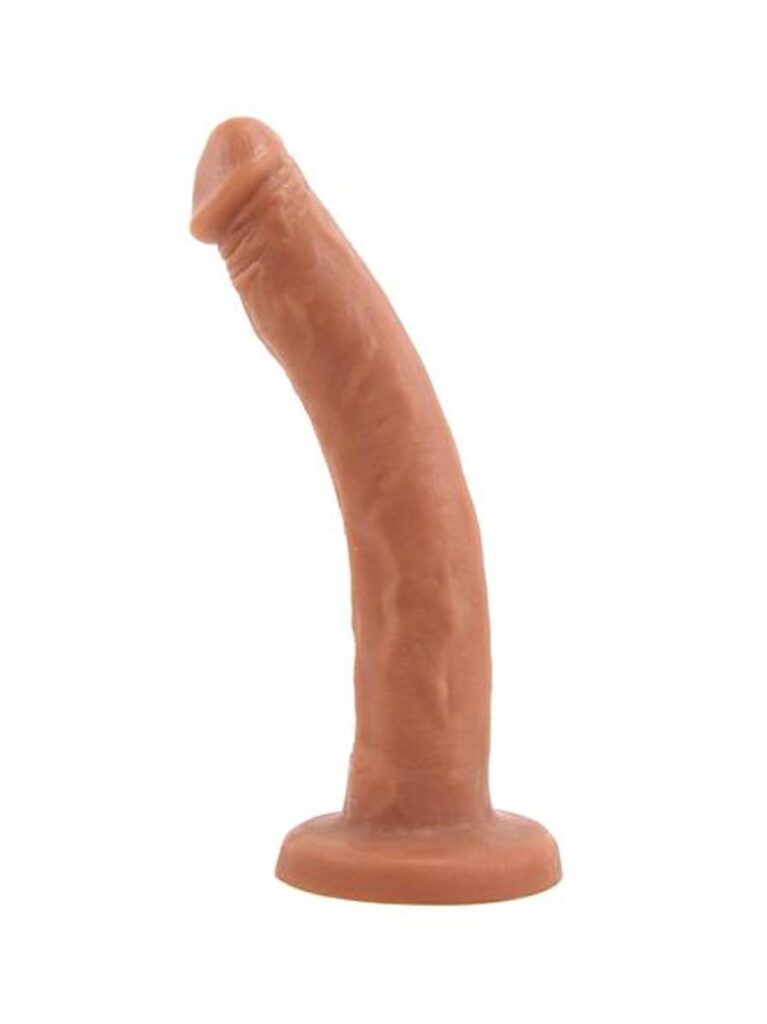
Slim dildos with a flared base or suction cup. The step up from a plug, for people who want motion rather than fullness. The flared base is the same non-negotiable as on a plug; a suction cup adds the option of hands-free positioning on smooth surfaces.
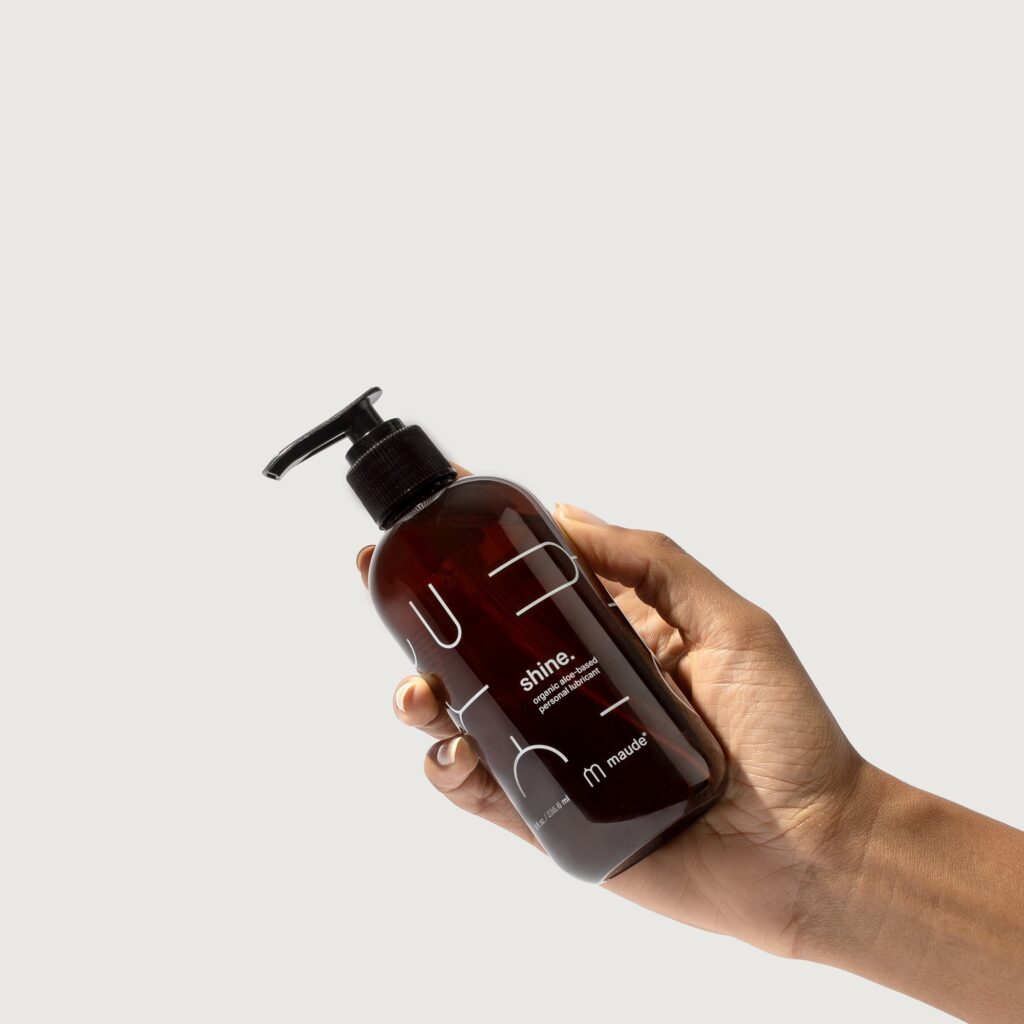
Anal-safe lubricants. Water-based formulas are compatible with every silicone toy and rinse away easily. A thicker, gel-style water-based lube stays in place better than a runny one; silicone-based formulas last longest but cannot touch silicone toys.
Vibrating plugs. Vibration layered onto the smallest acceptable size — it turns what might otherwise be a static exercise into a sensation with its own momentum, and the motor helps muscles release rather than clench.
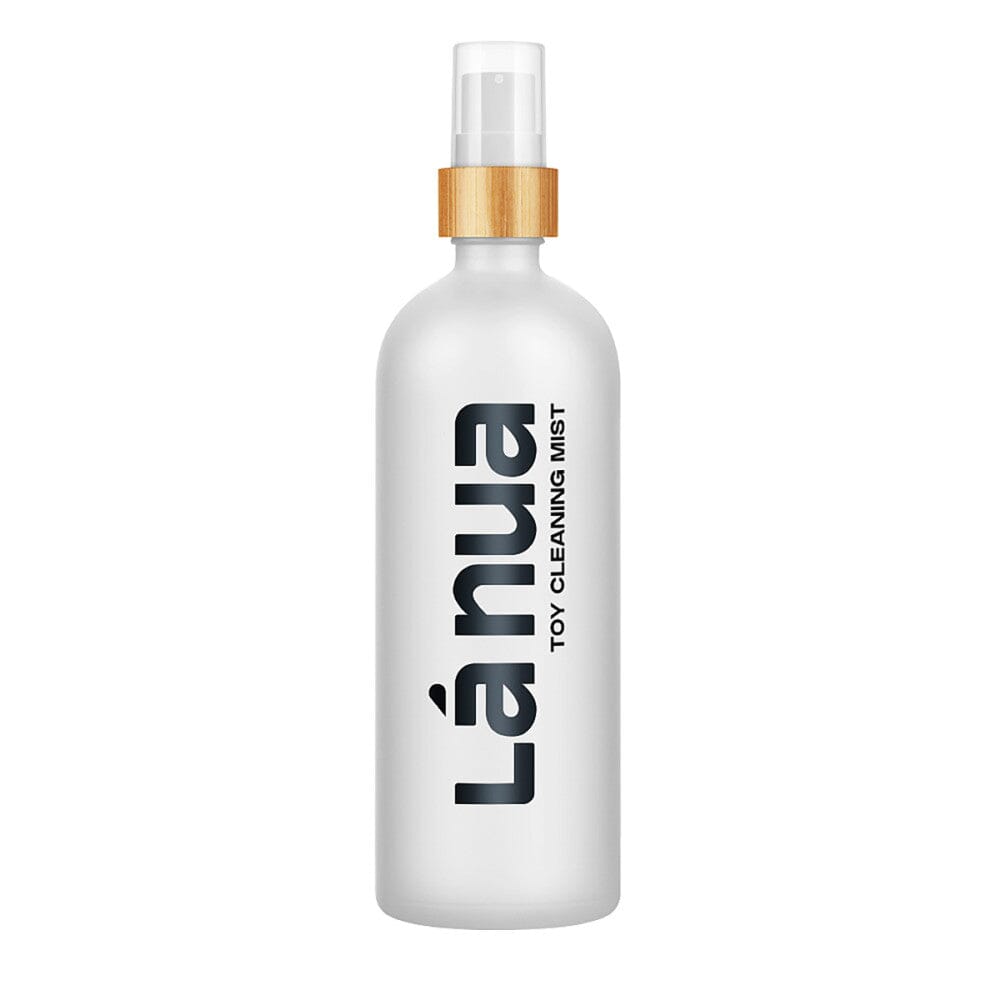
Cleaning supplies. A dedicated toy cleaner or mild soap, plus the habit of washing before and after. The toy care guide has the full routine.
Look out for: what to avoid
- No flared base. If the end of the toy is narrower than the body of it, pass. This is the single most common path to an emergency room visit in this category.
- Jelly, TPR, or “realistic skin” plastics. Porous, impossible to fully disinfect, and often softened with plasticizers. If the label does not say silicone, glass, or steel, it does not belong inside the body.
- Round jewel bases the same width as the toy. Decorative, and notoriously easy to slip past the sphincter.
- Numbing lubricants — covered above, and worth a second pass. Anything that removes the ability to feel discomfort removes the ability to know when to stop.
- “Beginner” sizes that are not beginner sizes. Above roughly one inch in diameter, a first plug stops being a gentle introduction. Numbers on the page are more honest than adjectives.
The unhurried first time
Sunday evening, and the apartment is quiet except for rain against the window. A bath first, because warmth is the oldest muscle relaxant there is; low lamp light, a towel folded on the bed, and no clock anywhere in reach. The lube is warmed between palms before it touches skin — a small ritual that does most of the calming on its own. Nothing is rushed: a fingertip first, then stillness, breath slow on every exhale, and only when the body stops bracing does the small silicone plug — smooth as glass, warm now — rest where it was made to sit. There is no urgency to move it. The pleasure arrives not as a jolt but as a slow heat, and the evening stretches open with it, unhurried and entirely on its own schedule.
At-a-glance comparison
| Model | Price | Type | Best for |
|---|---|---|---|
| Cheeky Vibrating Butt Plug | $41.65 | Vibrating plug | Gentle first insertion with vibration |
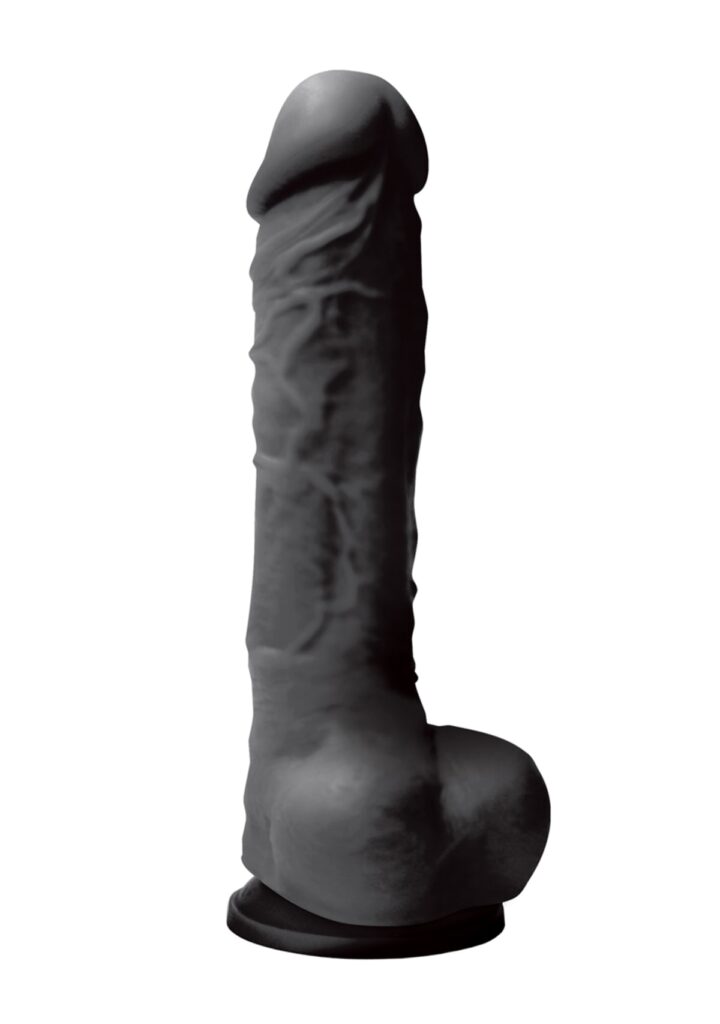
| Colours Dildo 5″ | $34.00 | Firm silicone dildo | Steady pressure with a flared base |
| Boundless Smooth Dildo | $22.95 | Slim silicone dildo | Beginner-friendly motion, suction base |
| Vixskin Slim Dildo | $132.00 | Dual-density dildo | Lifelike surface for the confident |
| shine aloe | $10.00 | Water-based lubricant | Silicone-safe glide |
Our picks
Six pieces from the BINOKU catalog, ordered from the gentlest entry point to the most advanced — every insertable flared-base and body-safe, with the lube and cleaner the routine runs on:
Our Picks
FAQ
Does anal play hurt?
It should not. Discomfort on a first attempt almost always traces back to tension rather than size. As Babeland sex educator Lisa Finn puts it, the rectum holds a lot of tension and people naturally brace when something new is introduced — the remedies are arousal, slow exhales, and more lube, not more force.
Is it unhygienic?
Not with basic habits. The lower rectum is empty for most people most of the time, and a warm shower beforehand is sufficient for most first attempts. Wash toys before and after with a toy cleaner or mild soap, and use a fresh condom on any toy switching between areas.
Can it be explored without a partner?
Yes — most beginners start solo, where there is no audience and full control of pace. A lubricated finger is the universal first step; the same progression applies with or without a partner in the room.
Which lube is right?
Water-based for anything touching a silicone toy — the two silicone materials can bond and degrade each other. A thicker, gel-style water-based formula stays put longer, which matters for anal play. Silicone-based lubes are fine on skin and with glass or steel toys.
Do I need a special toy?
No. A finger is the most common first toy, and plenty of people explore for months before buying anything. When buying, the two filters are a flared base and body-safe silicone; beyond that, smaller is friendlier.
Will it affect muscle control?
No. The sphincter is a muscle: regular, comfortable practice strengthens it rather than loosening it, much like any other trained muscle. Relaxing on cue is a skill, not a permanent change of state.
Ready to explore? Shop our Dildos & Plugs collection or stock up on lubricants — and when the next level calls, the strap-on guide picks up exactly where this one ends.