

Edging is the practice of bringing stimulation to the very brink of orgasm, backing off, and then building back up again — repeatedly, until the decision is made to finish. The name is new; the technique is not. It descends directly from the “stop-start” method published by urologist James H. Semans in 1956 as a treatment for premature ejaculation, and it spent decades inside clinical sex therapy before the wider world adopted it. What changed is the framing: what began as a correction for a problem became a deliberate craft, pursued by people who want their orgasms stronger, their sessions longer, and their attention more fully inside their own bodies. This guide covers how edging works, why people practice it, the techniques that have survived seventy years of use, and the toys that make the edge easier to hold.
In this guide:
Only got time for a quickie?
- Edging = approach orgasm, back off, repeat — until the choice is made to finish.
- It began as a 1956 treatment for premature ejaculation and still serves that purpose today.
- Common payoffs: stronger final orgasms, longer sessions, and sharper awareness of arousal.
- The core skill is recognizing the point of no return early enough to pull back from it.
- The 7-to-5 rule: back off when arousal hits 7 out of 10, resume around 5.
- Going over the edge anyway is not a failure — it is an orgasm, which was never the problem.
Why people edge
The motives split into three groups. First, intensity: by extending the arousal phase, the final orgasm often lands harder — “by prolonging the build-up, the eventual orgasm is often stronger, longer, and more full-body,” explains Angie Rowntree, a board-certified sexologist and founder of Sssh.com. Second, control: the practice began as the stop-start method for premature ejaculation, and the Cleveland Clinic estimates that condition affects an estimated 30–40% of sexually active men; edging remains one of the few home-practice tools for it. Third, presence: deliberately delaying orgasm forces attention onto sensation itself, which is why psychologist and sex therapist Holly Richmond, PsyD describes edging as “a personal practice and also a therapeutic tool” — one where “the focus is not on the orgasm, but pleasure in the moment.”
There is a statistical dimension too. Research keeps finding that orgasm is not the only currency of good sex: in a 2018 study of more than 1,000 women, 36.6% reported reaching orgasm only through clitoral stimulation, and just 18% through intercourse alone. Techniques that slow the whole encounter down — and center the buildup rather than the finish — suit that reality far better than a race to penetration.
The science of the edge
Arousal is not a straight line to orgasm; it is a plateau that can be sustained. Blood flow pools, muscles tense in waves, and sensitivity rises — and all of that can be held, dialed back slightly, and rebuilt without harm. The critical marker is what Carol Queen, PhD, longtime staff sexologist at Good Vibrations, calls “orgasmic inevitability”: the point where climax will happen whether stimulation continues or not. Edging, in Queen’s framing, is learning to recognize that point approaching and disrupt the approach — slowing, changing, or pausing stimulation until the wave recedes — then building again.
For people with penises, the technique exercises the same pelvic muscles that control ejaculation, which is why clinicians still prescribe it. For people with vulvas, sustained arousal deepens engorgement and, for many, widens the body’s response — matching how clinical sexologist Amanda Pasciucco describes edging: “riding the wave of arousal and building and rebuilding sexual tension.” The physiology differs; the practice does not.
Four techniques, compared
| Technique | How it works | Best for |
|---|---|---|
| Stop-start | Stimulate until near climax, stop for about 30 seconds, resume | Total beginners; ejaculatory control |
| Squeeze method | Squeeze firmly just below the head of the penis at the last moment | Premature ejaculation; partnered play |
| Ballooning | Circle a single sensitive spot, pause before climax, repeat | Mapping personal arousal landmarks |
| Toy-assisted | Vary intensity and pattern on a multi-level vibrator at the edge | Hands-free control, solo or partnered |
Seven rules of thumb for the first sessions
- Learn the signals solo first. Queen’s advice is that edging is easiest to optimize alone — with no partner to coordinate and no audience, the only task is noticing what the body does at eight-tenths of the way there: the breath changes, the muscles draw up, the rhythm of stimulation speeds up on its own.
- Use the 7-to-5 scale. Pasciucco’s rule is concrete: treat arousal as a dial from 1 to 10, where 10 is orgasm, and back off the moment the dial reads 7, letting it fall to about 5 before resuming. “We’re gonna back off as soon as we feel a 7, and go back down to a 5,” she explains.
- Breathe through the pull-back. Slow, deep exhales down-regulate the nervous system just enough to hold the plateau — the same move that keeps any buildup from tipping over.
- Change the sensation instead of killing it. A total stop works, but switching from fast to slow, deep to shallow, or vibration to pressure keeps arousal warm while the peak recedes — the difference between “stopped” and “paused.”
- Strengthen the pelvic floor. The pubococcygeal (PC) muscle is the brake pedal; regular Kegel work makes the brake engage earlier and more gently.
- With a partner, talk in real time. Rowntree’s condition for partnered edging is explicit: “Partnered edging requires trust, clear consent, and real-time feedback.” A partner cannot read the dial; “almost there — slow down” is the whole interface.
- Refuse to keep score. Rowntree again: “Don’t push too hard too soon. This is literally not a race.” A session that ends in an accidental orgasm is a successful session — the point was pleasure, not discipline.
Gear that makes the edge easier to find
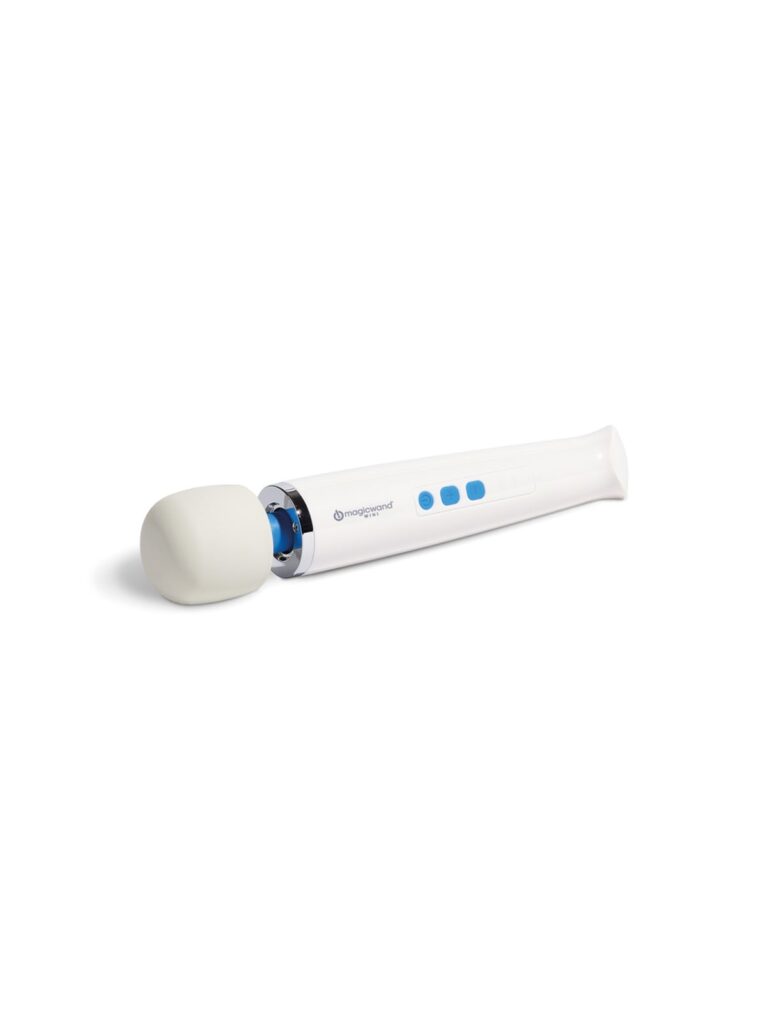
Wands and broad-head vibrators. Rumbly, low-frequency vibration spreads arousal across a wide area without racing it to the finish — the ideal build tool, and their intensity dials give fine control.
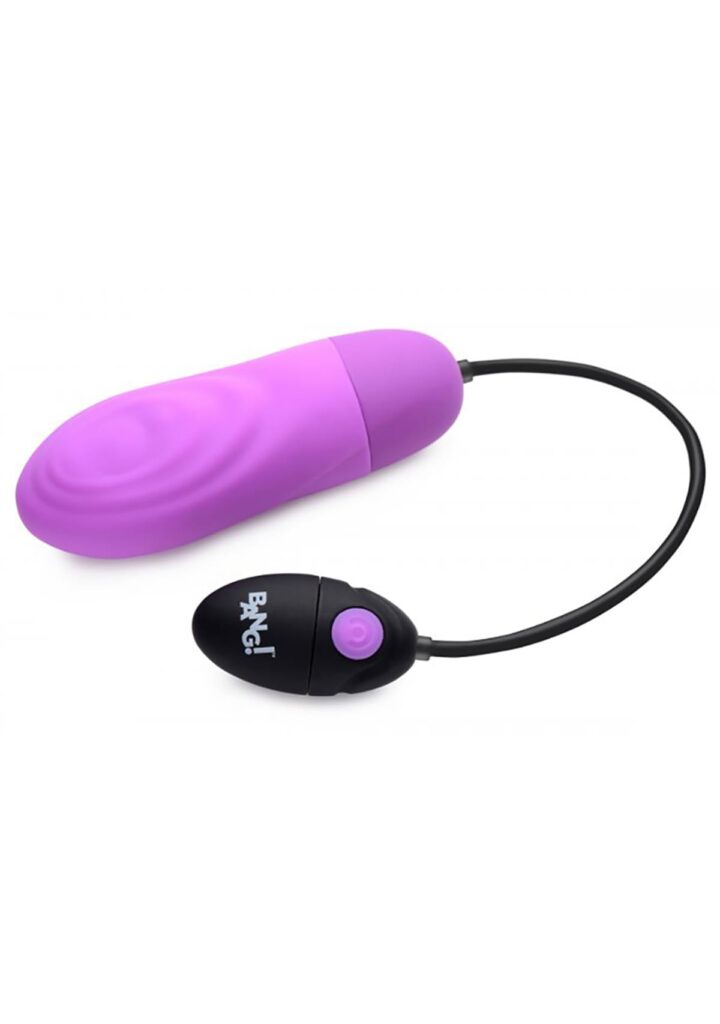
Pulsing vibrators. A pulse is inherently stop-start: each tap arrives as its own small wave, which makes the 7-to-5 rhythm feel natural rather than mechanical.
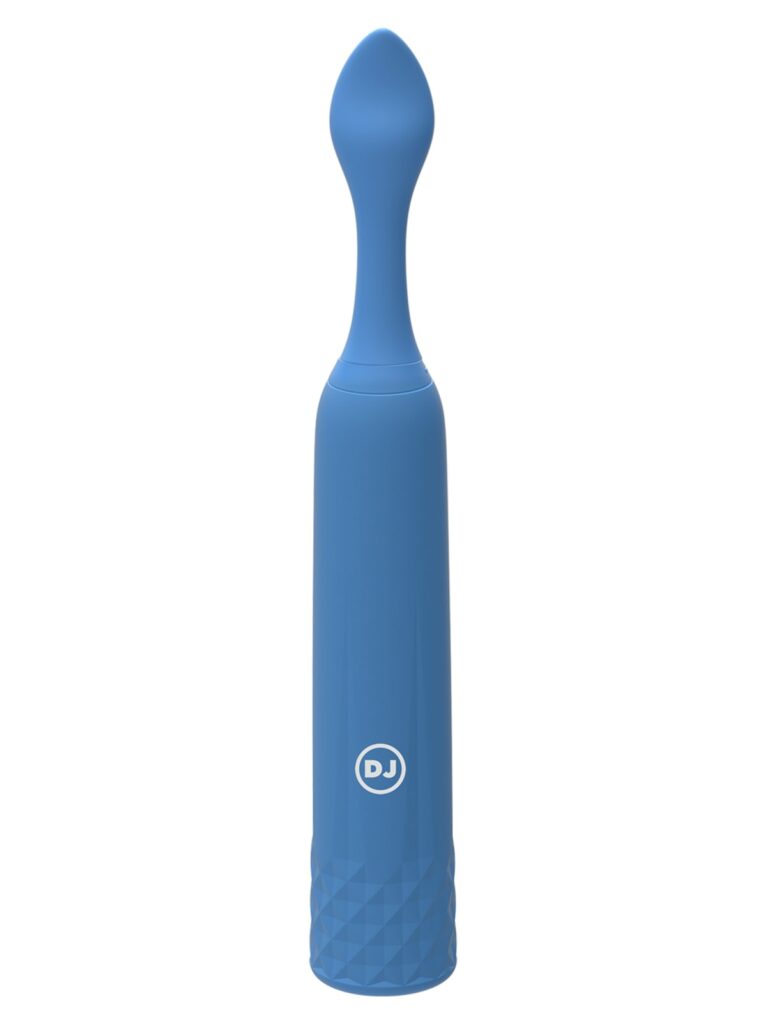
Multi-attachment vibrators. Interchangeable heads change the character of stimulation without changing hands — the “change the sensation instead of killing it” rule, built into hardware.
Pattern-based vibrators. Escalating patterns do the ramping automatically; learning where each pattern’s peak sits is itself useful calibration.
Rings. For penis-owners, a ring sustains firmness across a long session — including vibrating models worn for a partner, which turns edging into a shared negotiation of pace rather than a solo exercise.
Look out for
- Two-speed toys with no middle ground. If the jump from “barely there” to “overwhelming” is one click, the edge becomes impossible to hold.
- Buzzy, high-frequency motors that numb. Surface numbness erases exactly the body signals edging depends on; rumbly motors preserve sensation.
- Treating the edge as a competition. The moment the practice becomes a metric — how many cycles, how long held — it starts generating the performance anxiety it was meant to dissolve.
- Orgasm control without agreement. Edging is chosen. If a partner takes over someone’s orgasm without prior consent, that is not edging — that is a consent problem, and the same negotiation habits from the kink playbook apply.
The borrowed control
Midnight, and the bedroom is lit only by the small glow of a charging light on the nightstand — a quiet signal that tonight the remote is in someone else’s hand. Lying back with eyes closed, the only instruction is to breathe and report: “seven,” and the hum dips; “five,” and it rises again, a slow tide managed from across the pillow. Anticipation is the whole instrument — as sex educator Taylor Sparks describes the pull: “It’s the anticipation. You’re so close… but then it’s like, wait.” Minutes blur into an hour without a single moment of hurry. When the permission finally comes, it arrives as a word, and the edge lets go like a held breath — the whole room exhaling at once.
At-a-glance comparison
| Model | Price | Type | Best for |
|---|---|---|---|
| Magic Wand Mini | $102.50 | Rumbly wand | Slow, deep buildup |
| 7X Pulsing Vibrator | $50.00 | Pulsing bullet | Natural stop-start rhythm |
| iQuiver Clitoral Vibrator | $84.99 | 6-attachment vibe | Switching sensations mid-session |
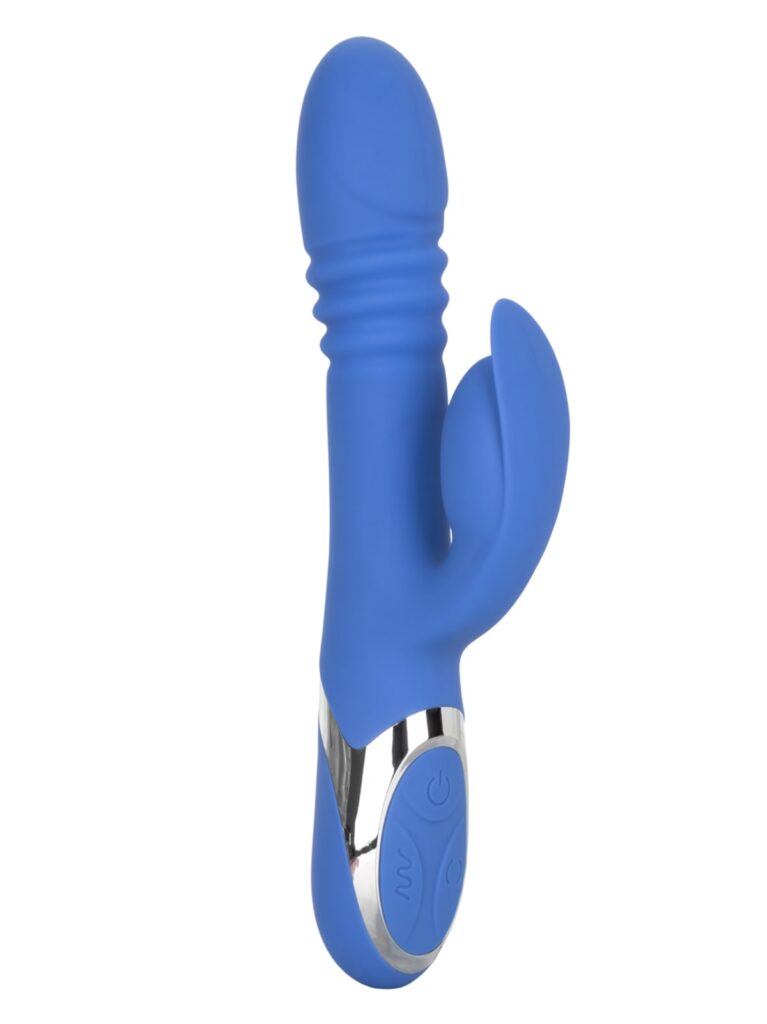
| Enchanted Teaser | $92.99 | 12-level thruster | Fine-grained intensity control |
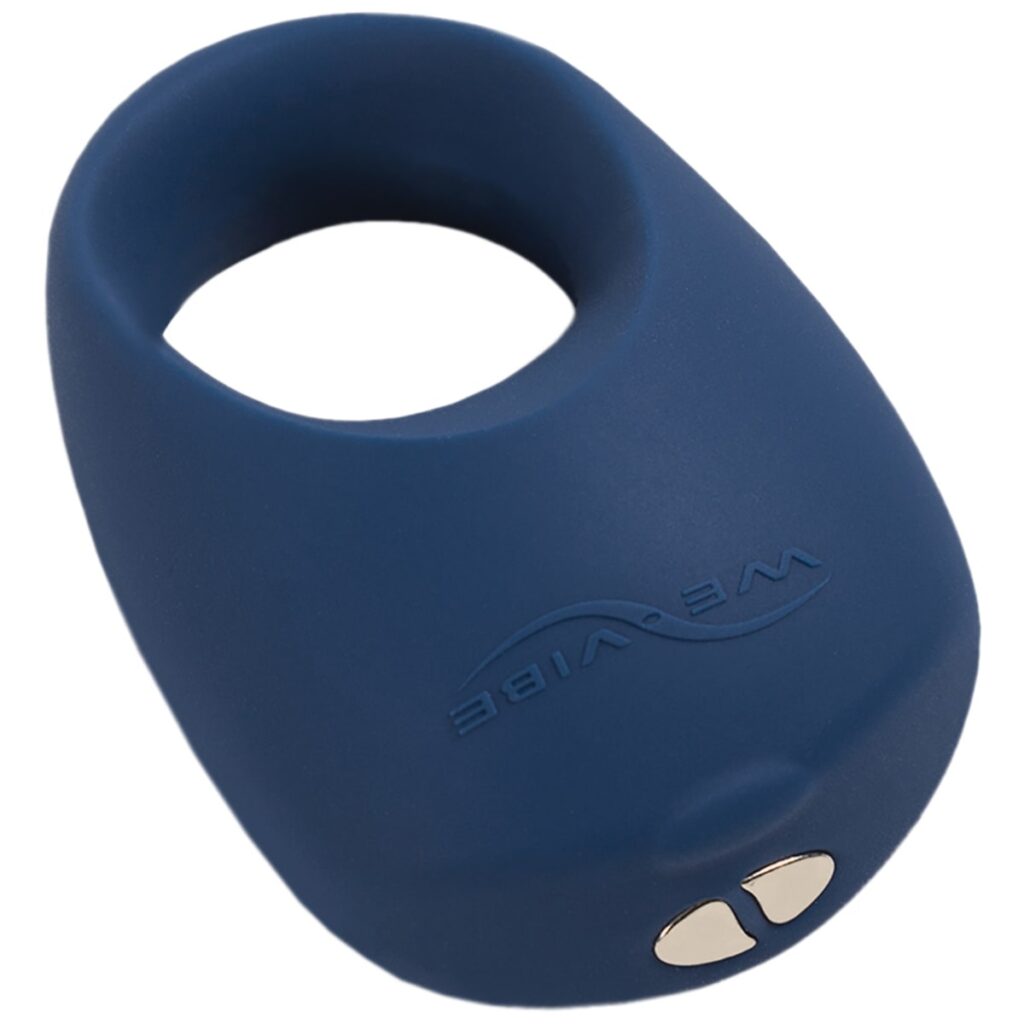
| Pivot Penis Ring by We-Vibe | $115.00 | App-controlled ring | Partnered control, lasting firmness |
Our picks
Five tools from the BINOKU catalog that respect the edge — rumbly, multi-level, and controllable, ordered from the most accessible to the most specialized:
Our Picks
FAQ
Does edging actually make orgasms stronger?
For many people, yes — prolonging the arousal phase often produces a longer, more full-body climax. But it is not universal, and a quick orgasm is not an inferior one; in Rowntree’s words, all orgasms are worth celebrating.
Can it help with premature ejaculation?
It is the direct descendant of Semans’ 1956 stop-start method, which is still used in sex therapy today, and regular practice gives many men earlier awareness of the point of no return. It is a practice, not a magic fix — progress comes from repetition.
Is it safe to stop repeatedly?
Yes. Being aroused without climax has no long-term health effects; the infamous “blue balls” feeling is transient discomfort, not damage. The only caution is emotional: if edging becomes a pressured routine, it stops being useful.
Do I need toys?
No — hands are the original instrument, and the squeeze and ballooning methods need nothing else. Toys earn their place by giving fine intensity control: multi-level vibration makes the 7-to-5 rhythm far easier to hold.
How long should a session last?
There is no prescription. Some people enjoy twenty minutes, others an hour or more; the only rule is that length should serve pleasure, not a scoreboard.
What if I keep overshooting the edge?
Back off earlier than feels necessary — at 6 rather than 7 — and practice recognizing the earliest signals. And remember that an accidental orgasm is still an orgasm; the practice is forgiving by design.
Ready to explore the edge? Shop our Vibrators collection, pair the practice with the solo play guide — or, for two-player control, the date night guide.