Why Your Vibrator Stopped Working: Troubleshooting Guide
It happens to everyone: you reach for a favorite toy and get nothing — or half a speed, or a strange rattle. Before you resign it to the drawer, work through this checklist. The overwhelming majority of “dead” vibrators are revived in under ten minutes, and most of the rest fail for one of three predictable reasons.
The 60-second checks
- Travel lock. Many toys ship locked: hold the power button for 3–5 seconds to unlock. This is the single most common “broken” toy.
- Charge it properly. A fully drained battery can need 2 hours before it even lights up.
- Try the original cable — and a different USB socket. Cheap adapters are the second most common culprit.
- Wiggle the charging contacts clean of lint or residue with a dry cotton bud.
- Still nothing? Continue below — one of the sections will match your symptom.
It won’t charge

First, confirm the light is actually off and not just dim. Then examine the charging port or contacts: magnetic contacts can lose connection through a film of lubricant residue — clean with a dry cotton bud. If your toy charges through a small rubber-covered port, check the cover is fully open and aligned; the plug should seat with a soft click. Finally, test the cable on another device — USB cables fail more often than toys do.
If the battery has been left empty for months, give it a full overnight charge before declaring it dead; deeply discharged lithium cells can take a long time to wake up, and some protective circuits hold the light off until a safe voltage is reached.
It charges but won’t turn on
Travel lock, again — we cannot stress it enough. If that’s not it, hold the power button for a full ten seconds; some motors need a long press after a full discharge. Then check the button itself: if it feels mushy or sunken compared to its twin buttons, the switch may have failed mechanically, which is a repair-or-replace situation rather than a trick.
It works, but weakly — or dies mid-use
This is the classic dying-battery pattern: full speed on a fresh charge, then a steady decline that ends in sudden silence. Lithium batteries have finite cycles (typically several hundred full charges), and after a few years even a well-cared-for toy will hold noticeably less power. A healthy toy should run at essentially full strength until its low-battery warning. If yours droops within minutes, the cell is aging — replacement is usually the honest answer, though you can extend the life of toys with replaceable batteries indefinitely.
One more possibility: motor overload. Some toys slow down when pressed hard against the body. If strength returns the moment you ease off, your toy is simply telling you to loosen your grip.
It suddenly rattles, buzzes louder, or hums oddly

New rattles usually mean something has come loose inside — often after a drop, occasionally after water ingress. Stop using the toy and listen closely: a consistent rattle is a loose component; an intermittent screech can be a dry bearing, which may settle with a few gentle seconds at low speed. If the noise appeared after any impact, treat the toy as damaged and retire it — internal damage plus vibration is a combination that can worsen quickly. Loudness itself, though, is not failure: many toys seem louder after months simply because you’ve forgotten their baseline.
It misbehaved after water contact
Water-resistant (splash-proof) and waterproof are different specs, and the difference matters. If a splash-proof toy met water it shouldn’t have, switch it off immediately, dry it thoroughly and let it sit in a warm dry place with the charging port open for a full 24–48 hours before testing. Never charge a toy that may have moisture inside — corrosion on the charging contacts is far more damaging than the water itself. If it was fully waterproof, simply dry, clean and continue. When in doubt about water damage, retire it: it’s not worth a corrosion short.
When it’s genuinely time to replace
Replace, rather than repair, when: the battery no longer holds a useful charge; the motor has become significantly weaker over weeks; there is an internal rattle after a drop; the silicone surface has developed tears, tackiness or discoloration that cleaning won’t fix; or the toy has spent time in contact with a non-compatible material and shown melting or pitting. Also replace any toy whose charging contacts have corroded beyond a gentle clean — electrical reliability is a safety matter, privately and practically.
Prevention: a three-minute habit
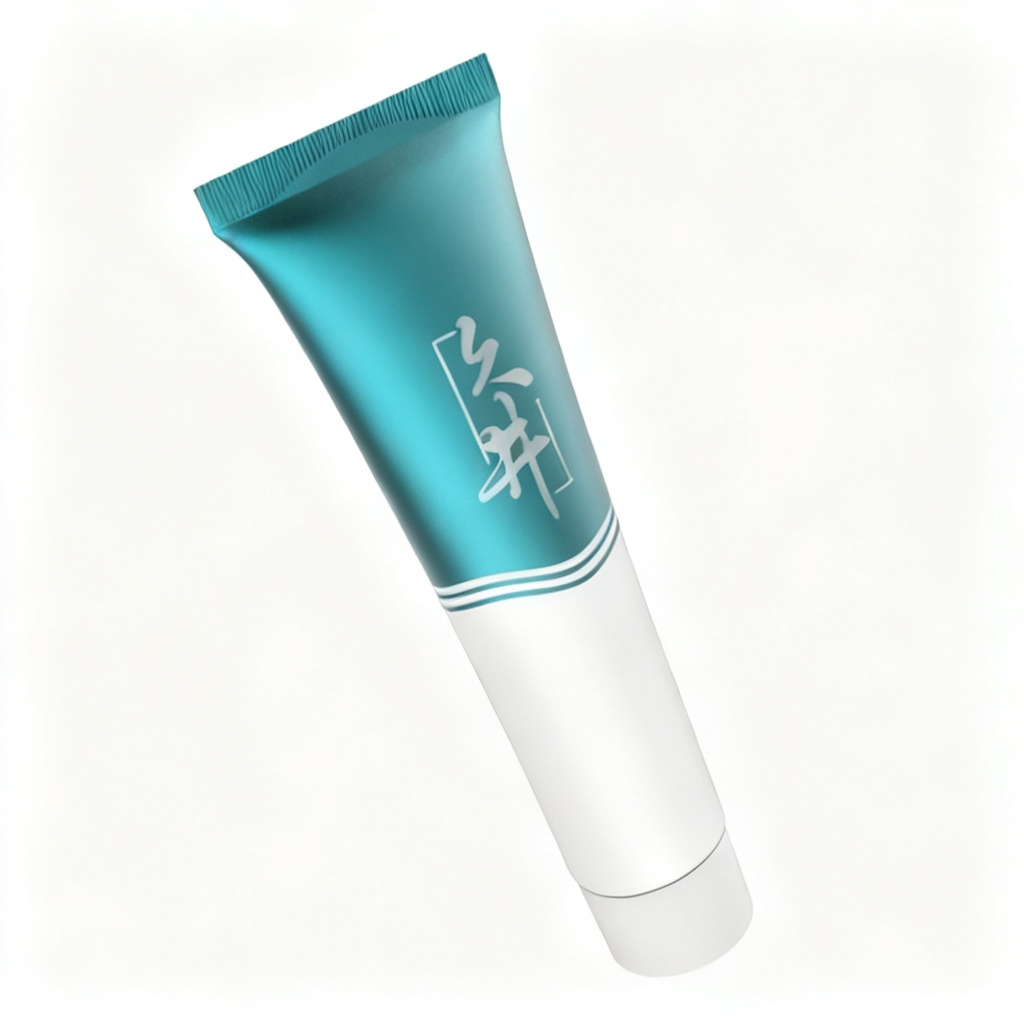
Almost every failure above shortens dramatically with one routine. Clean after every use — warm water, mild unscented soap or a dedicated toy cleanser like the C334 Silicone Intimate Cleaner, then air-dry fully before storage. Store each toy in its own pouch, away from direct sunlight and heat. Charge to roughly 60–80% before long storage rather than leaving it empty or full. And treat drops as seriously as you would with a phone: a fall onto tile is the quiet killer of many a good motor.
Frequently asked questions
How long should a quality vibrator last?
With reasonable care, two to four years of regular use is a fair expectation. Rechargeable batteries are the part that ages first; motors, when treated well, often outlive them.
My toy turns on for a second and dies — what is that?
Almost always a nearly-dead battery or a failing charging connection. Charge with the original cable overnight; if the pattern repeats the next day, the cell itself is done.
Can I fix a broken vibrator myself?
Honest answer: for sealed, rechargeable, body-safe toys — no. Waterproof toys are sealed for a reason; opening them compromises both water resistance and the material’s integrity. If it’s out of warranty and out of options, retire it.
Is it safe to keep using a rumbling toy?
If it’s just louder with unchanged performance, usually yes — but any new rattle, screech or intermittent power should be treated as a warning sign and the toy retired.
Ready for a replacement that lasts? Browse our vibrator collection — quiet, rechargeable designs built for years of use, with care products to keep them running.