
For some people, the idea arrives as a passing thought: a hand, a paddle, a sharp little moment of sensation that lingers after it lands. Impact play — the consensual use of spanking, paddles, floggers and similar tools to create sensation — is one of the most-searched categories in adult retail, yet it remains among the most misunderstood. It is not violence, and it is not automatically pain. For most practitioners it is a practice of rhythm, trust and surrender: a warm palm, a well-placed paddle, a slow build toward a rush of endorphins. This guide explains what impact play actually is, why people find it so compelling, where it is safe to strike, and how to choose first tools that feel good in the hand.
Only got time for a quickie?
- Impact play is about sensation, not punishment. Warmth, sting, thud and rhythm — the goal is whatever feels good, defined by the person receiving.
- Safe zones only. The buttocks, upper thighs and the spot where they meet are well-cushioned. Never the spine, kidneys, tailbone or joints.
- Start with a hand. It is free, precise and easy to calibrate — the standard first tool.
- Warm up slowly. Light taps first, building gradually, so blood flow and anticipation rise together.
- Agree on a safeword before anything stings — and check in with small questions while playing.
- Aftercare is part of the play. Water, a blanket and quiet talk afterwards are what make the next session better.
Why Do People Do It?
People’s reasons for trying impact play vary, but the physiology underneath is remarkably consistent. A well-timed spank sends a sharp sensory signal that the body answers with a cascade of adrenaline, dopamine and endorphins — the same chemistry behind the “runner’s high”, only faster and more intimate. Blood flow rises to the skin’s surface, making it warmer and more sensitive to every touch that follows. That is why many people describe a good session as leaving them not sore but glowing.
The psychology is just as interesting. A 2013 study published in the Journal of Sexual Medicine found that people who practice consensual BDSM — including impact play — reported lower stress levels and stronger emotional attachment in their relationships than comparison groups. Researchers and educators explain this with a simple idea: negotiating boundaries, trusting someone with your body’s most sensitive moments and being cared for afterwards are, for many, deeply bonding experiences. For the receiver there is also the appeal of surrender — of temporarily handing over control in a way that is fully consensual, fully reversible and entirely about feeling. As Lovehoney’s impact play guide puts it, for many people “it’s the time between each spank, and not knowing when the next will come, which is the most exciting.”
7 Tips for Safe, Sensual Impact Play
1. Talk about it before anything stings
Impact play is a negotiated activity, not a spontaneous one. The conversation can be lighter than people expect: “I read something interesting — would you be open to trying a little spanking together, starting slow?” or “I keep thinking about a paddle. Could we explore that, gently, and stop whenever either of us wants?” Most people find that naming the curiosity out loud is the hardest step, and that it lands far better than imagined.
2. Learn the safe zones
Aim matters more than force. Lovehoney’s beginner guide is blunt about where impact belongs: “Aim for fleshy parts of the body, such as the bum, backs of the thighs and the ‘thutt’ (the spot where the thigh meets the butt!).” These areas are well-cushioned and send ripples of sensation through nearby erogenous zones. The same guide is equally blunt about where it never belongs: “Never spank above the waist, over the spine or kidneys or over joints such as the backs of the knees.” The tailbone and hips should be avoided too. When in doubt, lower and fleshier is safer.
3. Start with a hand
A cupped palm with fingers together, striking in a soft upward motion, is the classic first tool — free, precise and easy to calibrate. The giver can feel exactly how much force they are using, and the receiver gets warmth with every strike. Many couples discover that a hand is not just the training stage but a permanent favorite.
4. Build a rhythm, then break it
Anticipation does half the work. Experienced players vary pressure, placement and timing deliberately — a light tap here, a pause, a firmer strike somewhere unexpected. Spacing strikes no more than a few seconds apart keeps warmth building, while the irregular gaps keep the nervous system alert. The moments of waiting are often described as more thrilling than the strikes themselves.
5. Choose a safeword — and a check-in habit
A safeword is the brake pedal: something short and unmissable, agreed in advance, that stops everything immediately. Many people use the traffic-light system — green for “keep going”, yellow for “slow down or check in”, red for “stop now” — because it lets the receiver fine-tune without breaking the mood. Even with a safeword in place, small check-ins carry the scene: “You want more?” “Too much?” “Tell me what you need.” If the safeword is used, play stops, immediately and without negotiation.
6. Skip the substances
Alcohol and drugs dull pain perception and slow reaction times — both dangerous in a practice built on calibrated sensation and fast communication. Play is simply safer, and lands better, with clear heads on both sides. Experienced practitioners treat this as a rule, not a preference.
7. Close with aftercare
Aftercare is the cool-down: water, a blanket, slow quiet talk about what each person felt and liked. For many people this is where the emotional payoff of impact play actually happens — the contrast between intensity and gentleness. It rebuilds the body’s baseline and the couple’s trust, and it is one of the strongest predictors of whether a second session happens at all.
How to Choose the Right Gear
Impact tools sit on a spectrum from broad and thuddy to narrow and stingy, and each has a personality of its own.
| Tool | Sensation | Best for |
|---|---|---|
| Hand | Warm, personal, easy to calibrate | First sessions and warm-up |
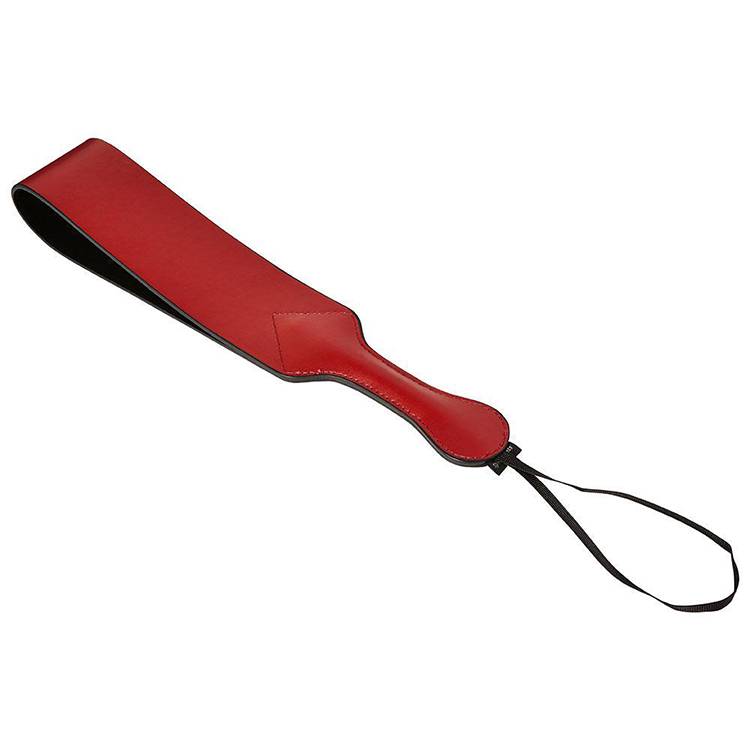
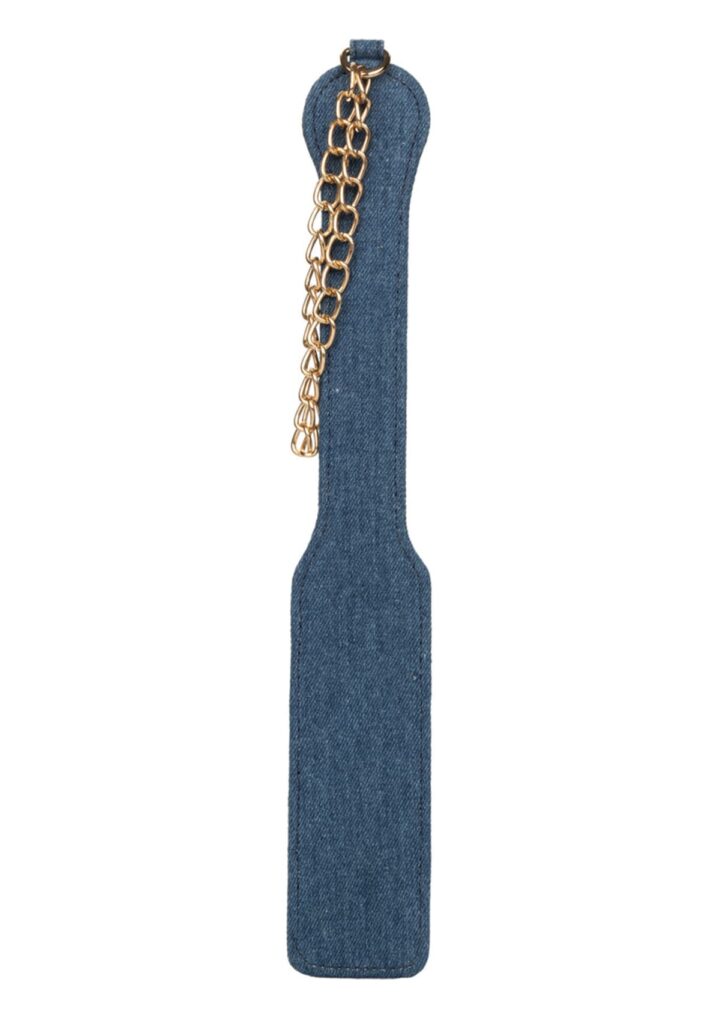
| Paddle | Broad sting with real presence | Beginners — big surface, less aiming |
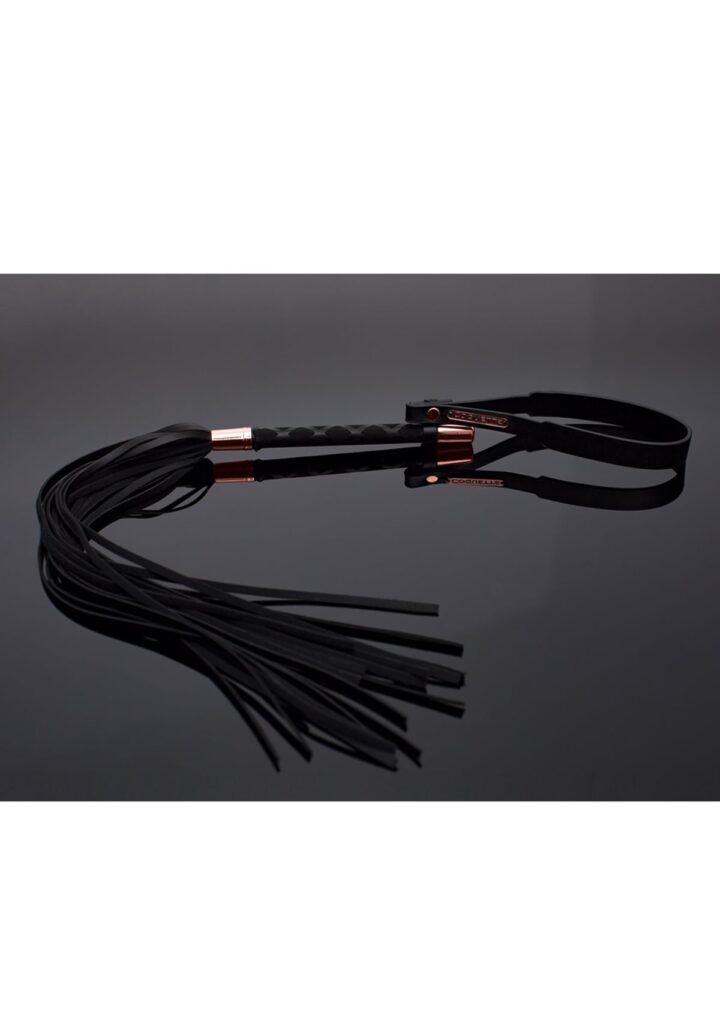
| Flogger | Thuddy with many tails; can be feather-light | Rhythm play, teasing, building heat |
| Whip | Sharp, focused, intense | Experienced players only |
Paddles are the classic first upgrade from a hand. Their wide face spreads force over a larger area, which means more sensation with less need for precision — Lovehoney’s guide recommends them precisely because “you don’t need to aim as much”. Look for smooth leather or vegan leather with clean edges and no rough seams.
Floggers deliver a different kind of signal: many soft tails landing at once, more thud than sting. They are also the most versatile tool in the drawer — held tails-down and flicked lightly from the wrist, a flogger can stroke like a feather tickler; swung harder, it builds serious heat. Never flog anywhere near the face or eyes.
Whips are the sharp end of the spectrum and genuinely advanced. They require real technique to land safely, and they can cut skin in untrained hands. They are a long-term aspiration, not a first purchase.
Look out for: purpose-made gear over household improvisation — wooden spoons and hairbrushes can splinter, and improvised implements have no safety design at all. Check any new tool for rough seams or loose parts before it touches skin. Wipe paddles and floggers clean after use, store leather away from damp, and never lend a tool that has touched broken skin.
Where It Begins
For most people, impact play doesn’t begin in a dungeon — it begins in an ordinary bedroom, with the lights low:
- The first palm. Warm skin under a warm hand, a soft, testing tap — less a strike than a question, answered with a quiet “again”.
- The leather paddle. Cool at first, then warm with use; the low thock of leather on skin, a heat that spreads slowly through the room’s half-dark.
- The afterglow. Blanket pulled up, water on the nightstand, two people talking quietly about what they felt — the trust that started the scene now stronger than when it began.
Our Picks
Beyond the Basics
Once the basics feel natural, impact play composes beautifully with other kinds of sensation. A blindfold sharpens the anticipation; soft cuffs turn a spanking into a fuller scene of surrender. The contrast between cool fabric and warm skin becomes part of the experience.
Understanding sting versus thud is the key to curating sensation. Narrow tools and fast strikes produce a surface sting that fades quickly; broad tools and heavier swings produce a deeper thud that travels into the muscle. Most people develop a preference, and it is worth asking — or being asked — which one lands better.
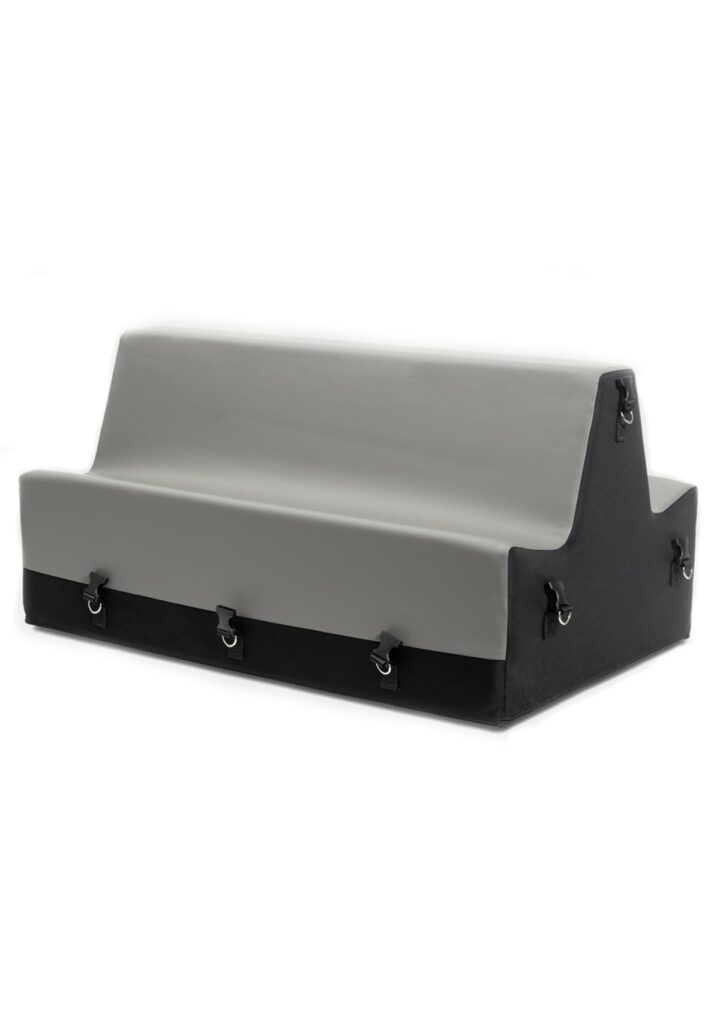
Marks are the most common worry. Light hand or paddle play rarely leaves any, beyond temporary warmth. Harder sessions can bruise, especially on people who bruise easily, so plan around visible areas if that matters for work or swimming — and keep a plan for aftercare (cool cloth, arnica gel, rest). For couples ready to invest, furniture like a spanking bench changes the geometry entirely: comfortable positioning for longer sessions and steadier aim, though it is furniture for people who already know they love the practice.
Common Myths, Busted
Myth: Impact play is violent. It is consensual, negotiated and designed for pleasure — the receiver sets the terms and can end the scene at any moment. That is the opposite of violence.
Myth: It always hurts. Warm-up and rhythm matter more than force. Many sessions stay in the warm, buzzing range that never crosses into pain, and plenty of people play with floggers purely for the tickle of the tails.
Myth: It leaves permanent marks. With light to moderate play on fleshy zones, marks fade in hours to a day or two. Permanent marking requires deliberate, extreme practice that is far outside beginner territory.
Myth: Only hardcore kinksters do it. Spanking is one of the most common first steps into kink precisely because it starts with a hand and needs no gear, no script and no experience.
FAQ
Does spanking always involve pain? No. Sensation lives on a spectrum from warmth to sting, and most beginners stay near the warm end. The receiver controls the intensity, and good play is about rhythm and anticipation as much as force.
Do I need special gear to start? No — a hand is the standard first tool. A beginner-friendly paddle is a natural first purchase once hand play feels good, because its wide face needs less aiming.
What’s the difference between stingy and thuddy? Stingy is sharp and surface-level, produced by narrow tools and fast strikes; thuddy is deep and resonant, produced by broad tools like paddles and floggers. Neither is better — most people simply prefer one.
Can impact play be part of ordinary sex? Yes. Light spanks during intimacy raise blood flow and sensitivity, and many couples fold a few strikes into positions where the angle is natural. The same safety rules still apply.
How do I bring it up with my partner? Frame it as curiosity, not a fix: “I read something interesting — would you be open to trying a little spanking together, starting slow?” Then let the answer set the pace, whatever it is.
Ready to explore? Shop our bondage and kink collection — every piece selected for quality, comfort and safe play.