
Menopause changes how sex feels — it does not end it. The hormonal shift that closes out the reproductive years also thins vaginal tissue, slows natural lubrication, and can make arousal take longer than it used to. None of that is a sign that pleasure has expired; it is a sign that the body now has different needs, and most of those needs are practical. This guide covers what actually changes after menopause, the tools that make sex comfortable again — from lubricants to wands — and the conversations that keep intimacy alive through the transition.
In this guide:
Only got time for a quickie?
- Genitourinary syndrome of menopause (GSM) affects more than half of postmenopausal people — dryness and discomfort are medical commonplaces, not personal failings.
- Lube is for sex; moisturizer is for the rest of the week. Both have a place in the toolkit.
- Arousal takes longer after menopause — longer foreplay is the fix, not a compromise.
- Pelvic floor exercises increase genital blood flow and strengthen orgasm.
- External stimulation often works better than penetration as tissue thins — a rumbly wand is a midlife staple.
- Pain is not inevitable. If lubricants don’t help, a clinician has more options.
What actually changes
Menopause is, at bottom, an estrogen story. As estrogen declines, vaginal tissue grows thinner, less elastic, and slower to lubricate — changes Johns Hopkins Medicine groups under the term genitourinary syndrome of menopause, or GSM. The scale of the experience is worth stating plainly: over 50% of postmenopausal people experience GSM, according to OB-GYNs surveyed by Business Insider. “This decrease in estrogen causes vaginal tissue to become thinner and reduces the production of lubrication,” explains Peace Nwegbo-Banks, M.D., an OB/GYN in Pearland, Texas. Desire shifts too, for reasons both hormonal — estrogen and testosterone both fall — and situational: sleep, stress, and body image all weigh in. And arousal mechanics slow down. Blood fills the genitals more gradually than it once did, which can read as “less sensitive” when it is really just “slower.” The encouraging part, echoed by clinicians and long-married couples alike, is that most of these changes respond well to adjustment — and plenty of people describe midlife sex as more intentional, more communicative, and frankly better.
The lube-and-moisture toolkit
The first-line tool is lubricant, and the first rule is that lube is not one-size-fits-all. Cleveland Clinic’s Amanda Propst, M.D., draws the key distinction: “Lubricants are used just for the purpose of intercourse, and a moisturizer for the vagina is like a moisturizer for the skin on the rest of your body.” A lubricant belongs on the nightstand and goes on before penetration; a vaginal moisturizer is used on a regular schedule — every few days — to treat ongoing dryness. For tissue that has thinned, the safest default is water-based and fragrance-free, which avoids irritation and works with every toy material. Silicone-based lube lasts longer and is excellent for water play and long sessions, though it should not be paired with silicone toys. Two habits to retire: douching, which dries things out further, and scented soaps or bubble baths near delicate skin.
Giving arousal more time
After menopause, arousal is a slow-burning process rather than a switch. The Office on Women’s Health puts it plainly: allow time to become aroused, because moisture from arousal protects tissues and makes sex more comfortable. Practically, that means longer foreplay, more kissing, massage, a warm bath before bed — and permission to take the scenic route. The erogenous map shifts a little too: with thinner skin, places like the neck, inner arms, and inner thighs often carry more sensation than they did. Many people in midlife also describe desire as responsive rather than spontaneous — it arrives after touch begins, not before. Planning for that reality beats waiting for a mood that may not announce itself, and scheduling intimacy, unromantic as it sounds on paper, is one of the more reliable midlife strategies.
Pelvic floor work
The pelvic floor does quiet, important work: it supports the bladder, uterus, and bowel, and it wraps around the base of the clitoris. According to the Office on Women’s Health, pelvic floor exercises increase blood flow to the vagina and strengthen the muscles involved in orgasm. Finding the muscles is the first step — stopping the flow of urine midstream once or twice identifies them, though the exercises themselves are done on an empty bladder: a slow lift-and-hold, repeated in sets, ideally daily. A pelvic floor physical therapist can tailor the work to a specific body, and is the right call for anyone with pain, leakage, or uncertainty about doing it correctly.
Toys that meet a changing body
Toys earn their keep in midlife because they deliver stimulation the body can respond to without asking much of it in return. The strongest case is the wand: broad, rumbly vibration against the vulva needs no penetration, no particular position, and no athleticism — just contact, which makes it the most reliable tool in the drawer. The numbers support an external-first approach. In a 2018 study of more than 1,000 women, only 18% reached orgasm from intercourse alone, compared with 36.6% from clitoral stimulation — and as tissue thins, that gap tends to widen rather than close. Vibration also encourages the blood flow that keeps tissue healthy, which is why regular use is its own form of maintenance. When penetration is wanted, smaller diameters and generous lube are the formula, and “rumby” motors (deep and low) are gentler on changed tissue than “buzzy” high-frequency ones.
Talking with a partner
Midlife intimacy rarely survives on assumptions. Cleveland Clinic’s Dr. Propst suggests describing how things “feel” rather than making accusations, and finding a neutral, unhurried moment for the conversation. The scripts that tend to work are simple and forward-looking: “Things feel different now, and I want us to find what works,” or “I need more time to get there — can we go slower tonight?” It also helps to widen the definition of intimacy itself. For many couples, midlife is when non-penetrative sex — hands, mouths, vibrators, massage — moves from the warm-up act to the main event, and that reframing removes a great deal of pressure from both bodies.
When to ask a clinician
Pain that persists through good lube is a conversation, not a verdict. Johns Hopkins Medicine lists the professional toolkit: vaginal estrogen, menopausal hormone therapy, pelvic floor physical therapy, and sex therapy, each with its own trade-offs a provider can weigh. The practical threshold is simple — if sex hurts and over-the-counter measures haven’t changed that in a few weeks, bring it up. This guide is education, not medical advice, and a provider who listens is part of the toolkit.
The slower room
Late afternoon, the curtains half-drawn, the house finally quiet. She has no agenda for the next hour except warmth. The wand sits on the bedside table, its lowest setting a deep, slow hum that travels through fabric before it ever touches skin. There is lube beside it, and a glass of water, and the particular peace of a door that will not be knocked on. Nothing needs to happen on a schedule: the point of the hour is not to rush back toward a remembered self, but to find what feels good now — at this temperature, in this light, with time as the main ingredient. The room is warm, the bed is low, and the only deadline is dinner, hours away.
At-a-glance comparison
| Product | Price | Type | Best for |
|---|---|---|---|
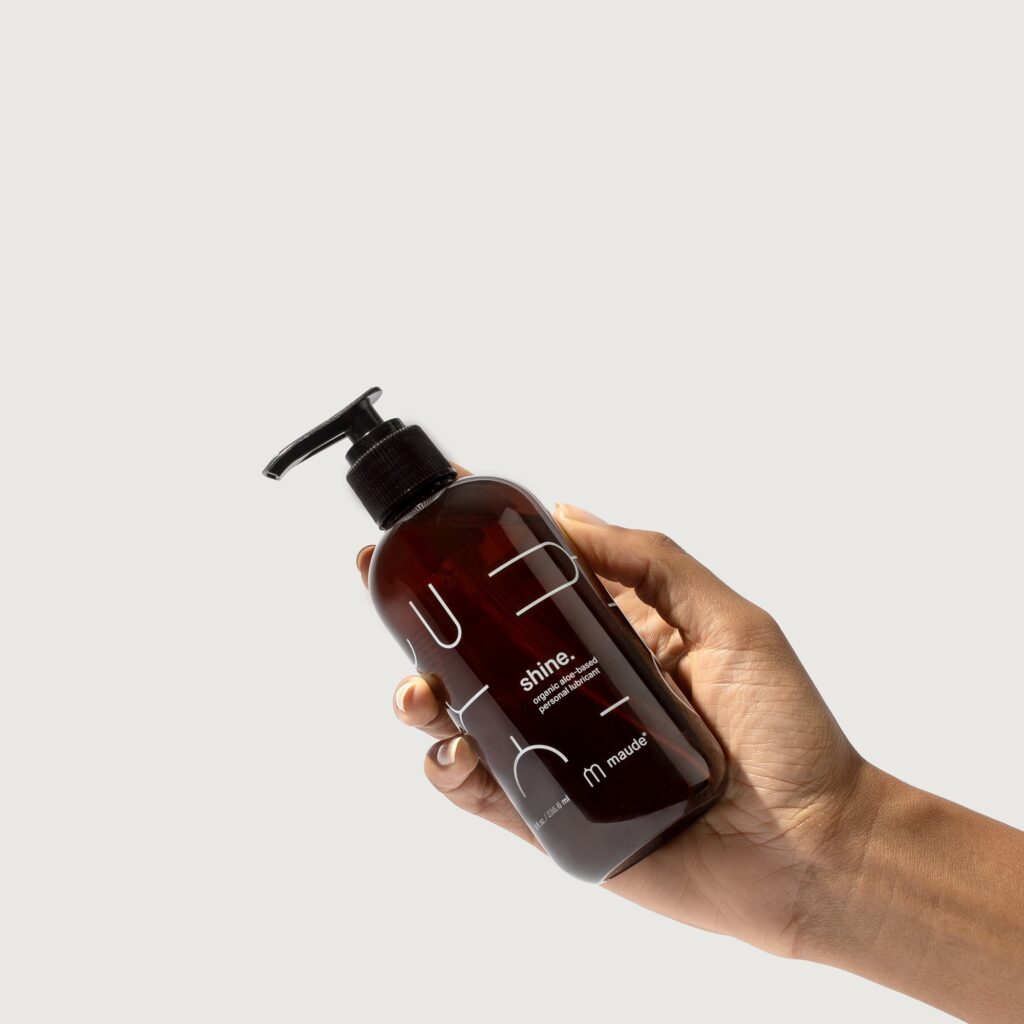
| shine aloe | $10.00 | Water-based lube | Everyday comfort, safe with every toy |
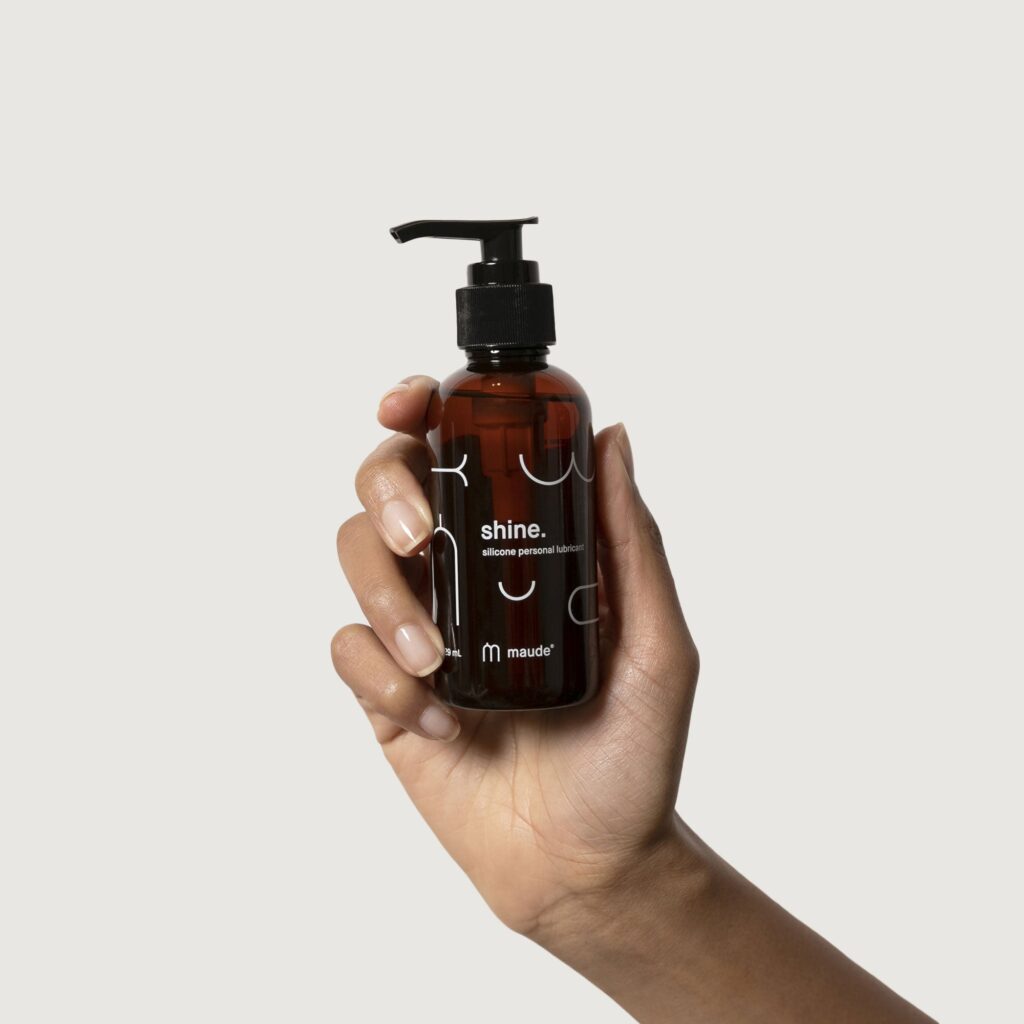
| shine silicone | $13.00 | Silicone-based lube | Longer sessions; not for silicone toys |
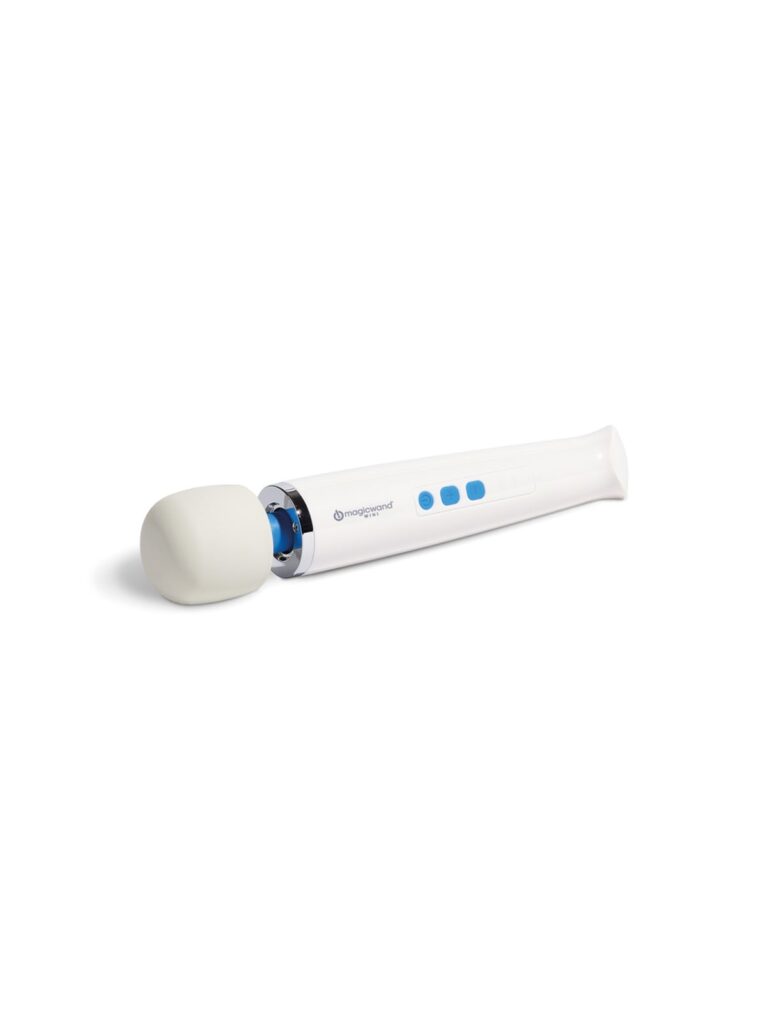
| Magic Wand Mini | $102.50 | Rumbly mini wand | Powerful external stimulation, no penetration needed |
Our picks
Three midlife staples from the BINOKU catalog: two lubricants that cover both sides of the moisture toolkit, and the wand that keeps external pleasure reliably on the table. The Mini brings the Magic Wand’s deep, rumbly power in a lighter, travel-friendly body with three speeds — the gentlest of which is the one to start with.
FAQ
Is it normal to want less sex after menopause?
Yes — and it is also normal to want more. Desire moves in both directions after menopause, pushed around by hormones, sleep, stress, and relationship dynamics. What matters is less the quantity than whether both partners feel settled about it; when desire gaps persist, a sex therapist is a proven resource.
Will lube fix vaginal dryness?
Lube makes sex comfortable in the moment; a vaginal moisturizer used regularly treats ongoing dryness. If both fall short, prescription options like vaginal estrogen are the next step, and they are common and effective.
Do vibrators still work when sensitivity changes?
Often better than penetration, because they bring circulation and direct stimulation to the clitoris without asking anything of thinning tissue. Rumbly, low settings are gentler than buzzy high-frequency ones, and external use needs no recovery time.
Can sex after menopause still be pleasurable?
Frequently more so. Slower arousal rewards attention, communication tends to improve, and many people describe midlife intimacy as deeper precisely because it stopped running on habit.
When should pain during sex be checked by a doctor?
Whenever it persists. Pain is common after menopause but not inevitable — if lubricants and time haven’t helped within a few weeks, a clinician can offer vaginal estrogen, hormone therapy, or pelvic floor physical therapy.
Ready to explore? Shop our Lubricants collection and the Vibrators collection — then see the lube guide and the solo play guide for the wider picture.